
Most travel blogs will tell you to start your Japan trip in Tokyo. We didn’t.
We flew into Osaka and it completely changed the way we experienced Japan. Less chaos, more authenticity, no time wasted traveling back and forth across the country. Starting in Osaka allowed us to travel in one smooth direction (west to east), catch the cherry blossoms at just the right moment in Osaka and Kyoto, and experience Japan in a way that felt more connected and less touristic.
This wasn’t a random decision. It was strategic and if you only have around 10 days in Japan, we truly believe this is the smarter, calmer, and more rewarding way to explore the country for the first time.
Is 10 Days Enough to Visit Japan?
Ten days is tight, but still enough to experience Japan’s culture, food, history, and modern energy without feeling rushed. Our goal was to avoid repeating routes, reduce travel fatigue, and see as much as possible in a logical flow.
Plan your first 10-day trip to Japan! Discover how to split your days between Tokyo, Kyoto, Osaka, and more with this complete travel guide.
- Total Duration: 10 days (minimum)
- Route: Osaka→ Kyoto → (Optional: Nara / Hiroshima) → Tokyo → Mount Fuji day trip
- Travel Style: Light, efficient, culturally immersive
- Transport Strategy: We skipped the JR Pass (it didn’t make financial sense for 10 days) and used highway buses and city passes instead.
Why Start Your Japan Itinerary in Osaka
Here’s what most people don’t consider:
- Tokyo is intense as a first point of contact. Osaka is energetic but more relaxed.
- Travel direction matters. Flying into Osaka and out of Tokyo prevents wasted travel time.
- Food culture: Osaka is known as “the kitchen of Japan”—the perfect introduction to Japanese cuisine.
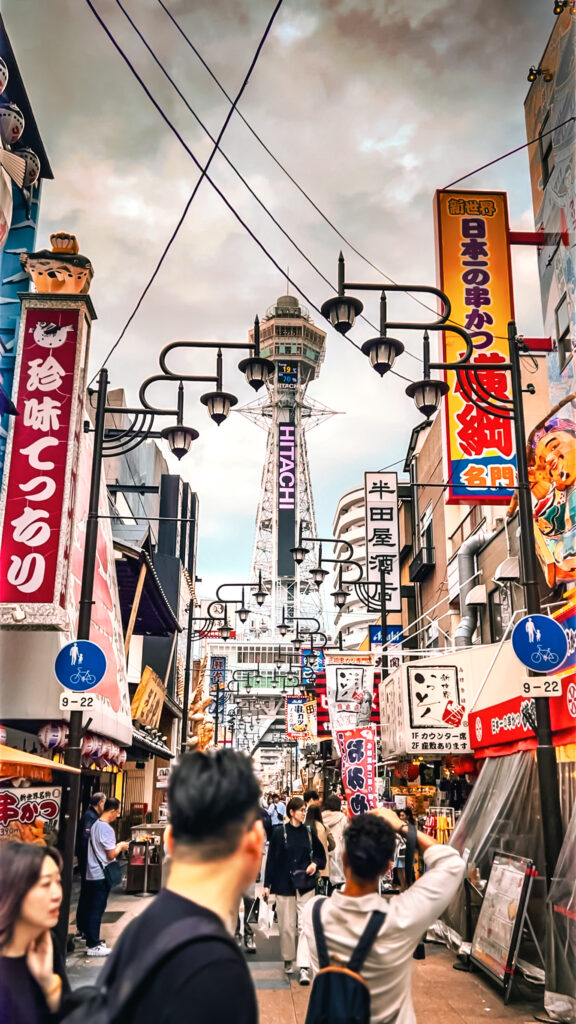
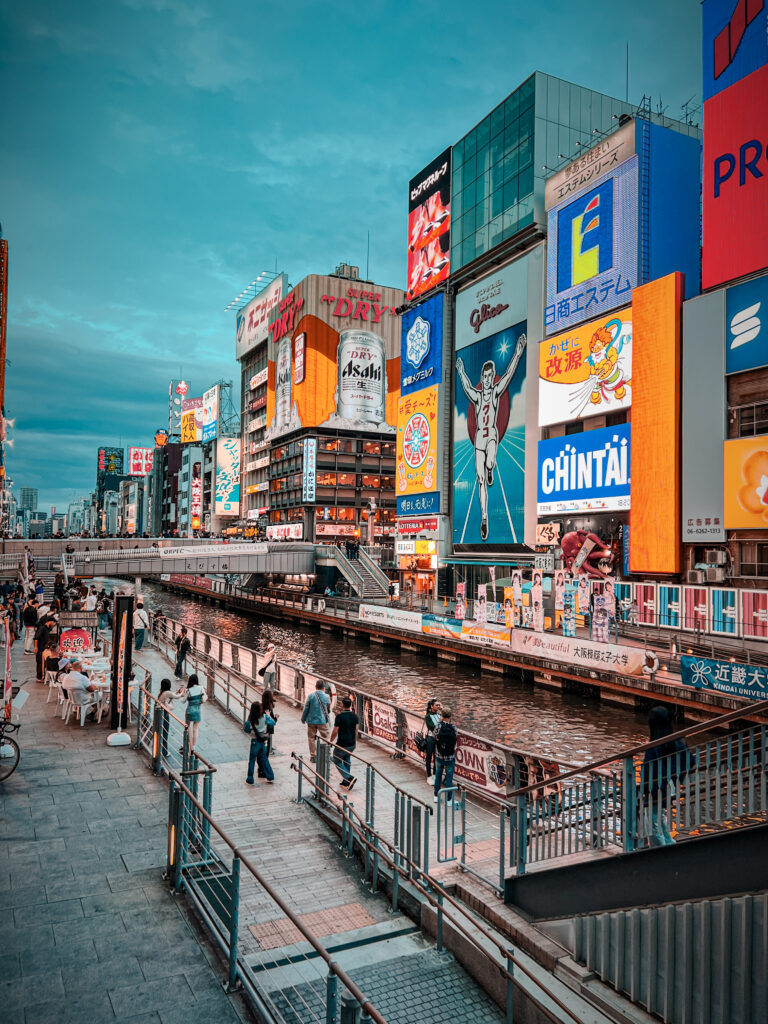
Our 10-Day Japan Itinerary (Osaka → Tokyo)
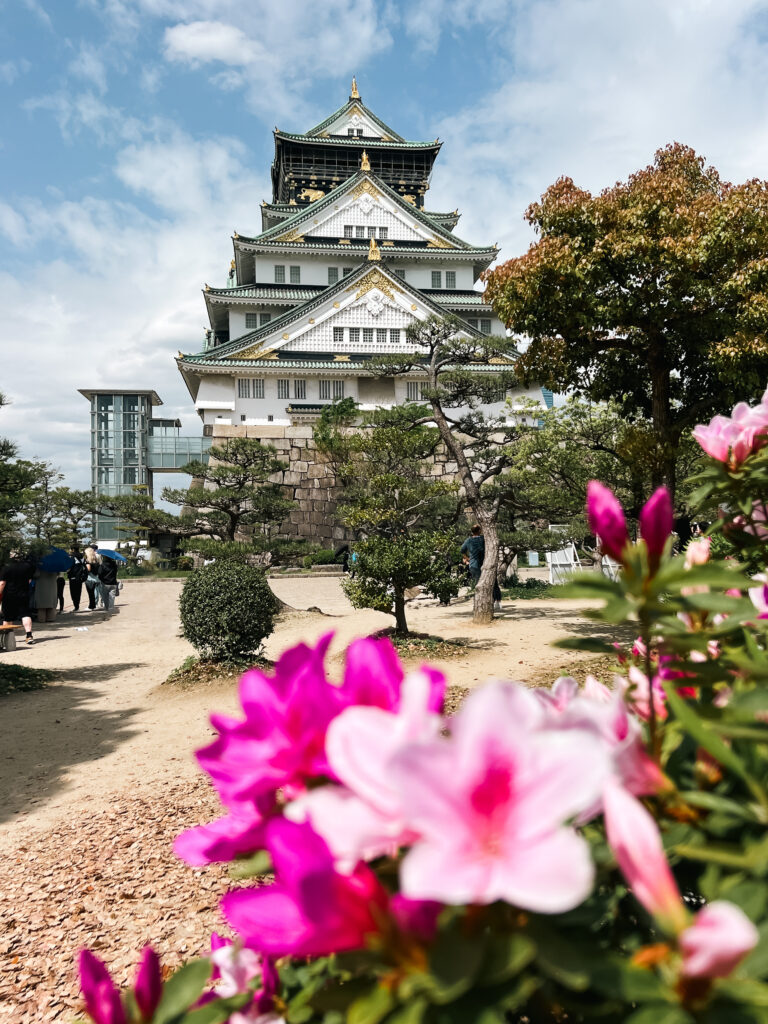
Day 1–3: Osaka – The Best First Stop
Osaka is energetic, delicious, and friendly, the perfect place to start.
- Neighborhoods: Dotonbori, Namba, Shinsekai
- Food: Takoyaki, okonomiyaki, kushikatsu
- Sightseeing: Osaka Castle, Umeda Sky Building
- Tip: Explore by foot and use subway cards. Avoid big suitcases, they’ll slow you down.
Day 3: Nara (Day Trip from Osaka)
- Todai-ji Temple & Nara Park
- Friendly deer roam freely
- A calm contrast to Osaka’s energy
Day 4–6: Kyoto – Temples, Culture, and Tea
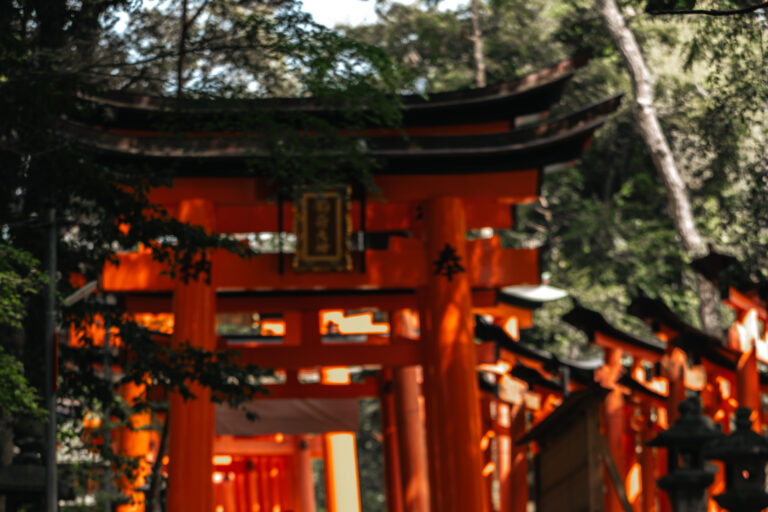
- Must-see: Kinkaku-ji (Golden Pavilion), Fushimi Inari Shrine, Kiyomizu-dera
- Walk through Gion for traditional streets and culture
- Early morning visits are best to avoid crowds
- Try a tea ceremony experience—small, intimate, unforgettable
Optional Day 7: Hiroshima & Miyajima
- Peace Memorial Park & Itsukushima Shrine
- Only if you want to go further west; reachable by bullet train, but consider budget and time
Day 7–10: Tokyo – The Modern Finale
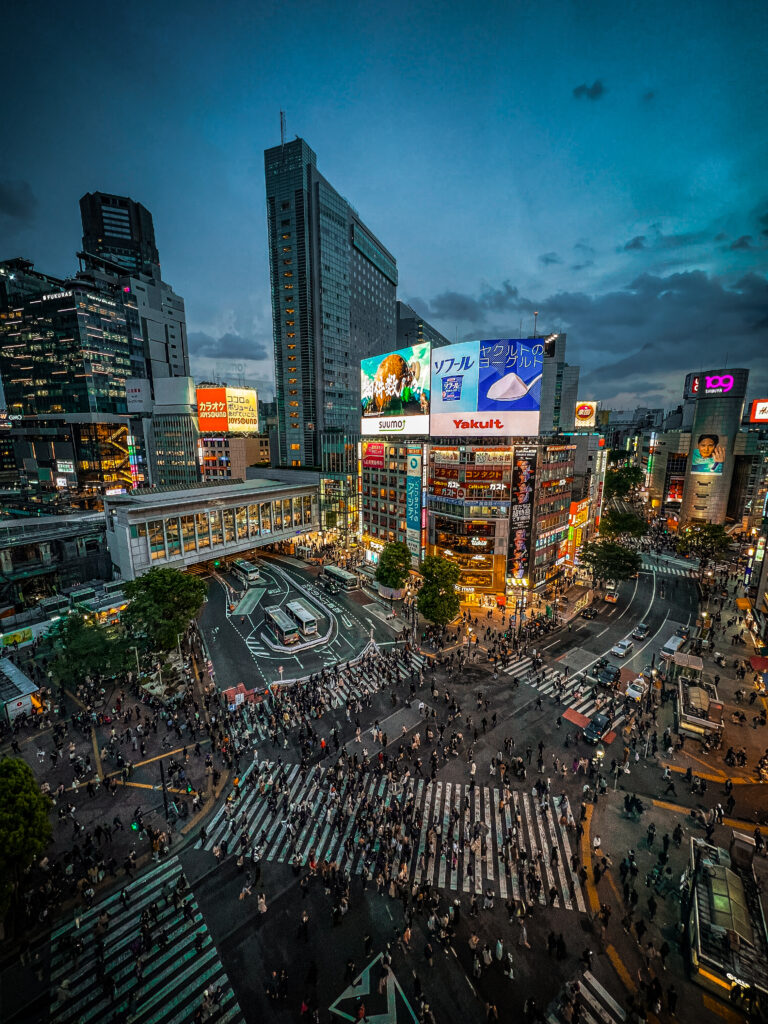
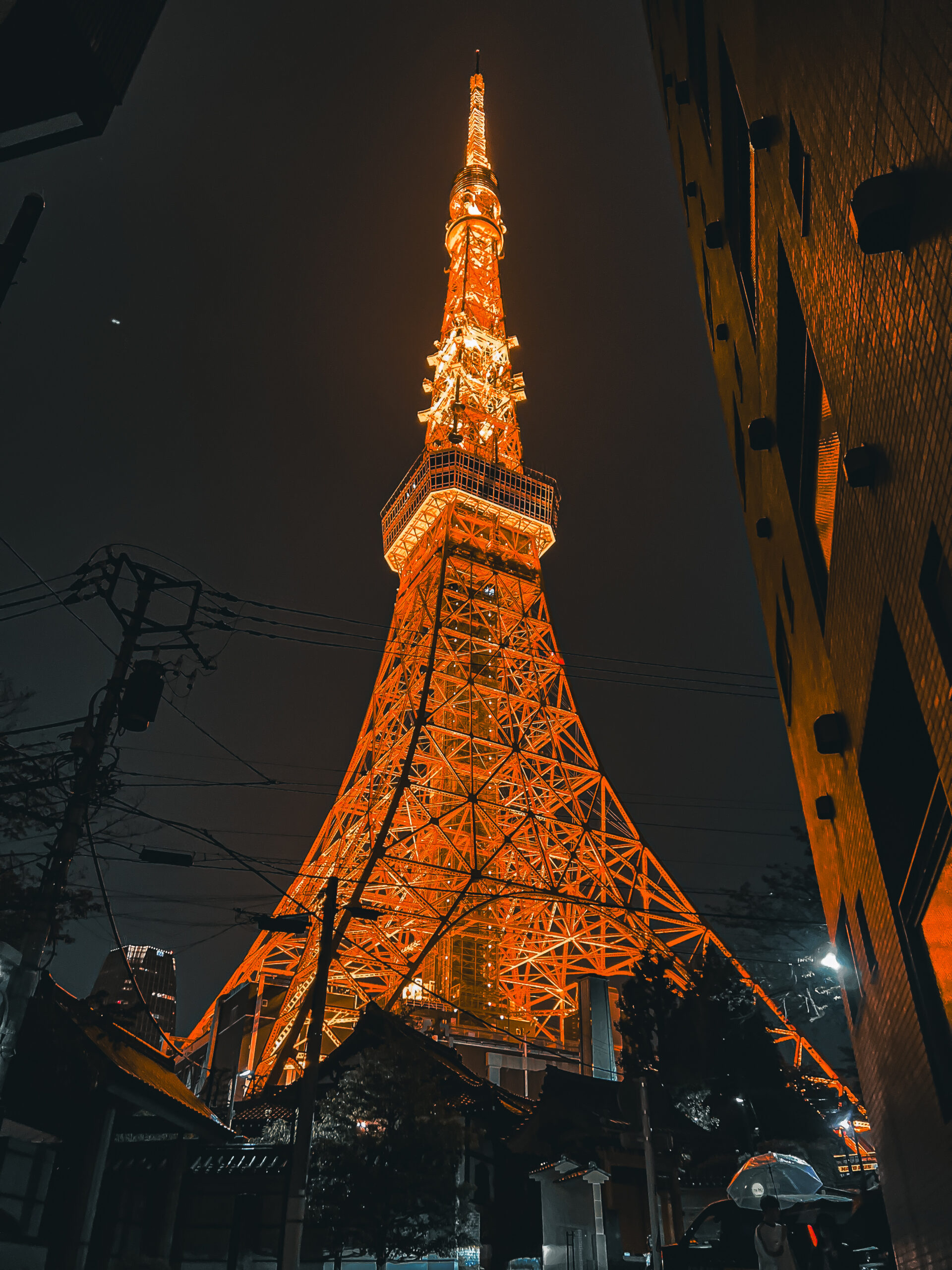
- Neighborhoods: Shibuya, Shinjuku, Ginza
- Temples: Senso-ji
- Modern attractions: Odaiba, teamLab Borderless
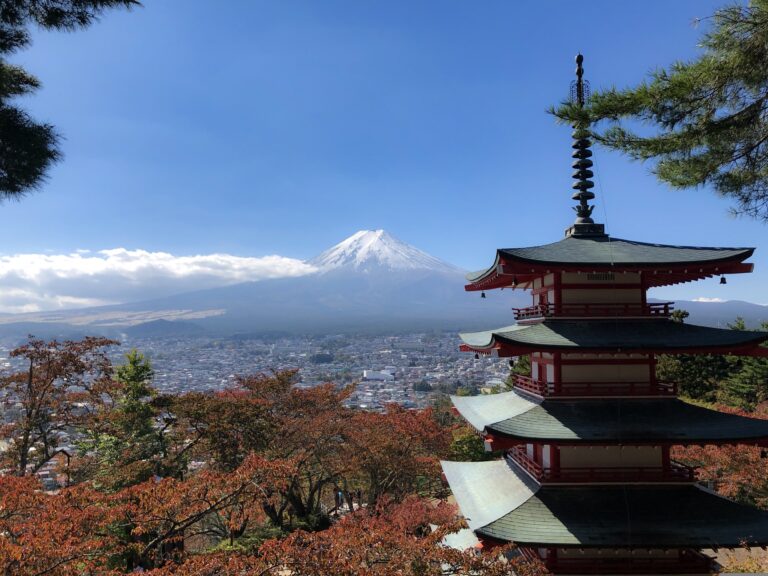
- Day trip: Mount Fuji (return the same day)
In the link below, you can see a glimpse of our 10 days itinerary
This reel showcases our action-packed itinerary, covering some of the most iconic sights and experiences. It was intense but absolutely worth it! If you’re planning your trip, we recommend adding 2-3 extra days to explore at a more relaxed pace.
Things You Need to Know Before Visiting Japan
1. Visa & Entry Requirements
- Check your visa eligibility before booking flights. Many nationalities can enter visa-free, but Japan now requires digital pre-registration via Visit Japan Web. This online system handles immigration and customs, making airport entry much faster.
- Complete it before your trip to receive your QR codes for entry.
2. Packing Light – Seriously
We traveled only with backpacks, it made stations, staircases, and crowded trains effortless.
- Train stations: many lack elevators, stairs are everywhere.
- Space on Bullet Trains is limited.
- Shopping: You will want to buy souvenirs, snacks, and gadgets. Leave space in your bag.
You’ve probably seen videos saying “only bring a passport and an empty suitcase to Japan”. It sounds dramatic, but it’s accurate.
3. Respect & Cultural Etiquette
Japan is the most respectful country we’ve ever visited. It’s not about rules, it’s about mutual consideration.
- Streets and stations are remarkably clean—there are almost no trash cans, yet no one litters.
- Public transport is silent. No loud phone calls, no music, no shouting.
- Personal space: People queue naturally; everyone waits their turn.
- Shoes: Remove them in temples, certain restaurants, and some traditional lodgings.
4. Transportation in Japan – How We Did It
Traveling in Japan isn’t complicated, but there are some practical tips every first-timer should know:
- City buses: Bringing large suitcases is not recommended, as they are often crowded and have no designated luggage space. If you must use a city bus, bring only a small bag or backpack, or consider renting a car, taking a taxi, or using a luggage forwarding service (takuhaibin) to move larger bags between hotels.
- Highway/long-distance buses: These are ideal for traveling with luggage, as they have under-the-bus storage compartments.
- City metros: Tokyo, Osaka, Kyoto, and other major cities all have metro systems with convenient multi-day passes. Perfect for exploring efficiently.
- Practical tip: Be ready for stairs, crowded stations, and luggage restrictions. Using backpacks or forwarding large luggage is the easiest way to move around stress-free.
5. Money in Japan – Cash, Cards, and How We Paid
Japan still relies heavily on cash, but credit cards are widely accepted in many places, especially in larger cities and convenience stores. Here’s how we handled it:
Currency: The official currency is the Japanese Yen (JPY/¥). Bills come in ¥1,000, ¥2,000, ¥5,000, and ¥10,000; coins range from ¥1 to ¥500.
Cash is king: Outside major cities, small shops, restaurants, and some metro ticket machines only accept cash. Always carry some yen.
IC Cards: Suica, Pasmo, ICOCA, and similar cards work for most metro rides, buses, and small purchases at convenience stores.
Credit cards & Revolut: Many places accept cards, including major shops, hotels, and chain restaurants. We used Revolut, which offered excellent exchange rates and worked in 7-Eleven, FamilyMart, and other convenience stores. Check Revolut here
6. Best Time to Visit Japan
Japan is beautiful year-round, but two periods stand out for first-time travelers: spring and autumn.
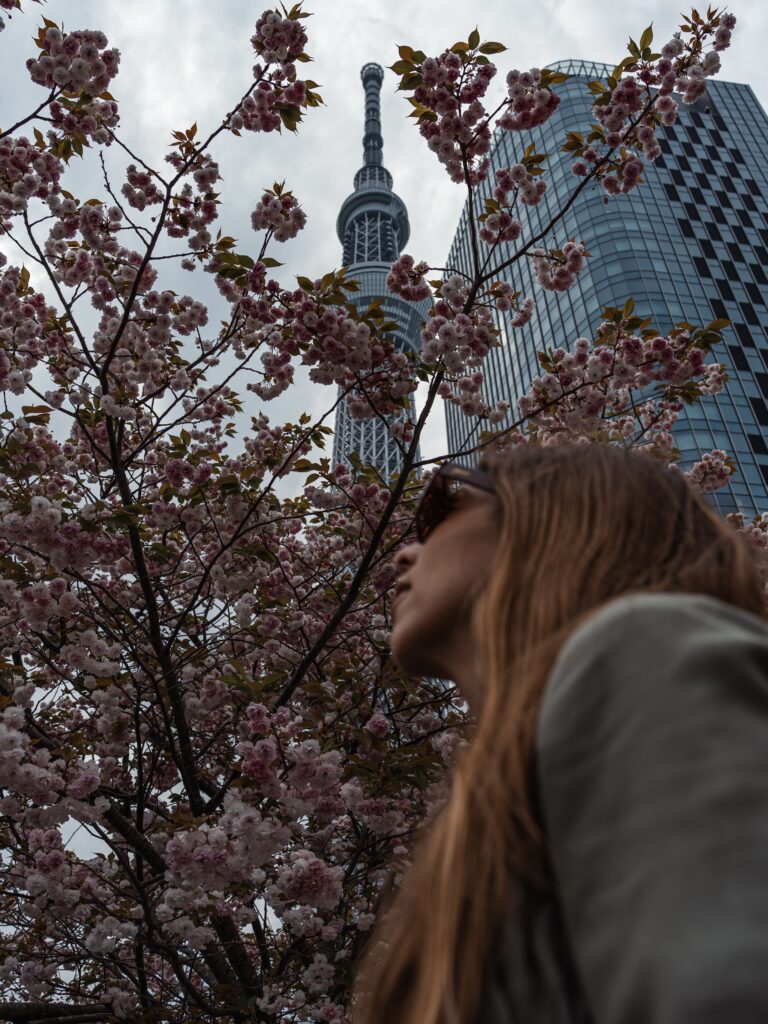
Starting our trip in Osaka and Kyoto and finishing in Tokyo made perfect sense: when we arrived in Osaka, the blooms were already past peak, but in Tokyo, we enjoyed full bloom at the perfect moment, all while avoiding some of the busiest crowds.
- Spring (March/ April): This is when cherry blossoms bloom. The season moves from south to north, starting in southern regions like Kyushu and Okinawa in mid-to-late March, reaching central Japan (Osaka, Kyoto, Tokyo) from late March to early April, and finally northern areas such as Hokkaido from late April into early May. The key stages are kaika (first bloom), mankai (peak bloom, usually about a week), and sakura fubuki(falling petals).
- Autumn (October–November): This is another fantastic period to visit Japan. The weather is mild and pleasant, and the scenery is vibrant with fall colors. Autumn tends to be less crowded than spring, offering a more relaxed experience for sightseeing, travel, and cultural activities.
- Tips:
- Check local bloom and foliage forecasts to align your trip with peak seasons.
- Traveling slightly off-peak reduces crowds and costs while still offering spectacular views.
What’s Next – Guides Coming Soon
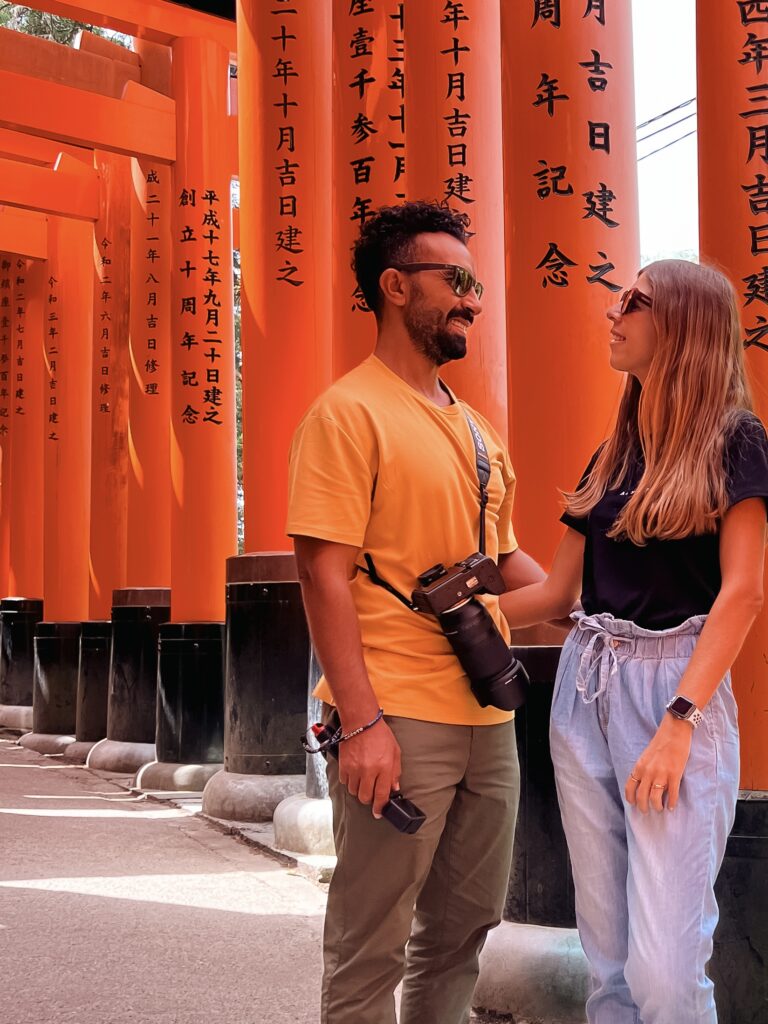
The Ultimate Guide to Osaka – Everything You Need to Know: Neighborhoods, food, nightlife
How to Visit Nara from Kyoto or Osaka in One Day
3 days Kyoto itinerary: first time travelers
Tokyo Neighborhood Guides: Shibuya, Shinjuku, Harajuku in detail
Mount Fuji Day Trip: How to plan a smooth visit
Transportation Guides: JR Pass vs buses, Tokyo Metro passes, local travel hacks
Japanese Etiquette for Travelers: Silence, cleanliness, respect, and cultural immersion
Japan can be overwhelming to plan, but it doesn’t have to be. Starting in Osaka transformed our trip from a checklist of places into a meaningful journey through culture, food, and nature. If you follow this itinerary, or even just parts of it, you’ll experience Japan in a way that feels intentional, efficient, and deeply rewarding. This is your starting point, and in the next posts, I’ll help you plan each destination step-by-step so you can make your own unforgettable adventure.