
We spent three days in Kyoto, which gave us just enough time to explore some of the city’s highlights. Kyoto is full of stunning temples, historic streets, beautiful gardens, and vibrant local culture, and time really flies here. This guide shares how we experienced the city, with walking routes, iconic sights, markets, and hidden gems, giving a mix of classic attractions and authentic local experiences.
Getting Around Kyoto
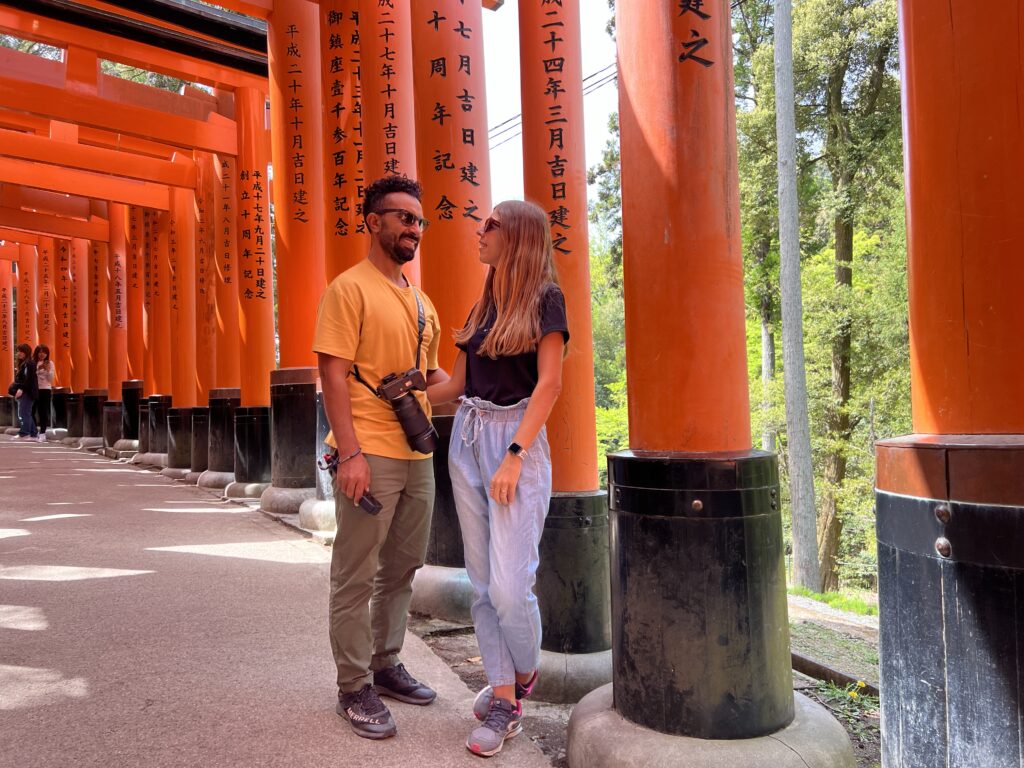
Kyoto is a compact city, so walking is often the best way to explore neighborhoods like Gion or Higashiyama. For longer distances, the bus network and subway lines are convenient and affordable. Renting a bicycle is also a great option for exploring quiet streets and parks. A day pass for buses can save you money if you plan multiple stops.
One important tip: large suitcases are not ideal on city buses. Some buses don’t allow big bags if they block aisles, and it can be uncomfortable for other passengers. If you have heavy luggage, consider using a luggage delivery or storage service from Kyoto Station so you can explore hands‑free. Backpacks or smaller bags work perfectly and make walking and sightseeing much easier.
Best Time to Visit
Early mornings are ideal for visiting temples like Kiyomizu-dera or Fushimi Inari to avoid crowds, but even mid-morning to afternoon is manageable. Spring (cherry blossoms) and autumn (fall foliage) are particularly beautiful, though busier.
Day 1: Higashiyama and Gion – Streets, Temples, and Local Flavors
At first glance, the list of places we visited on the first day might seem like a lot to fit into one day, but most of them are really close to each other, so it’s very doable on foot. Walking from street to street and temple to temple takes time, and it can be a bit tiring, but it also lets you soak in the atmosphere and discover little details along the way.
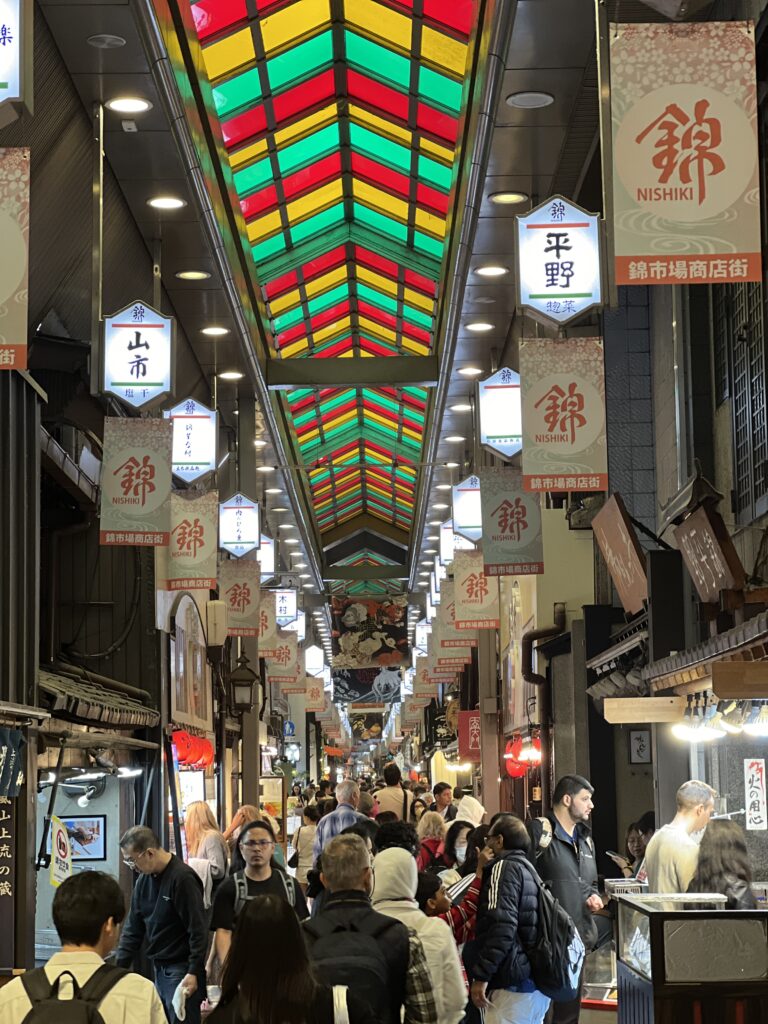
Some attractions, like Nishiki Market, are a bit further away, but that’s easy to adapt depending on your pace or the day you choose to visit. In our experience, we visited the market almost every day, trying different places and local specialties. This flexible approach helps you enjoy Kyoto without feeling rushed and lets you discover new corners of the city at your own rhythm.
Sannenzaka and Ninenzaka Streets
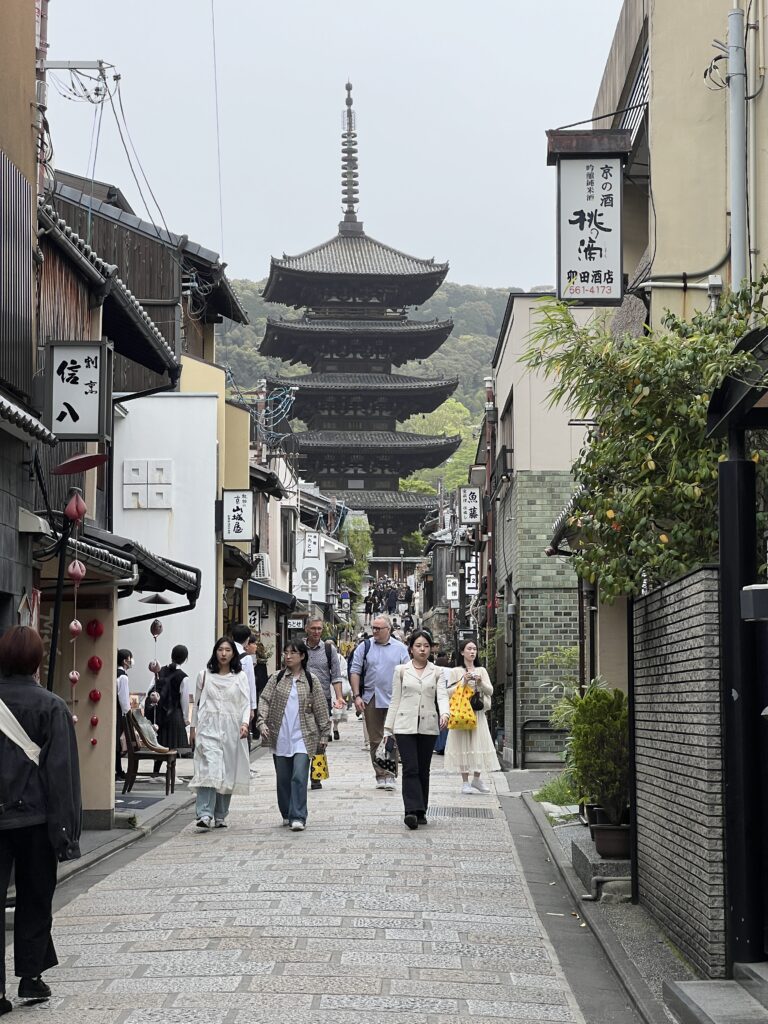
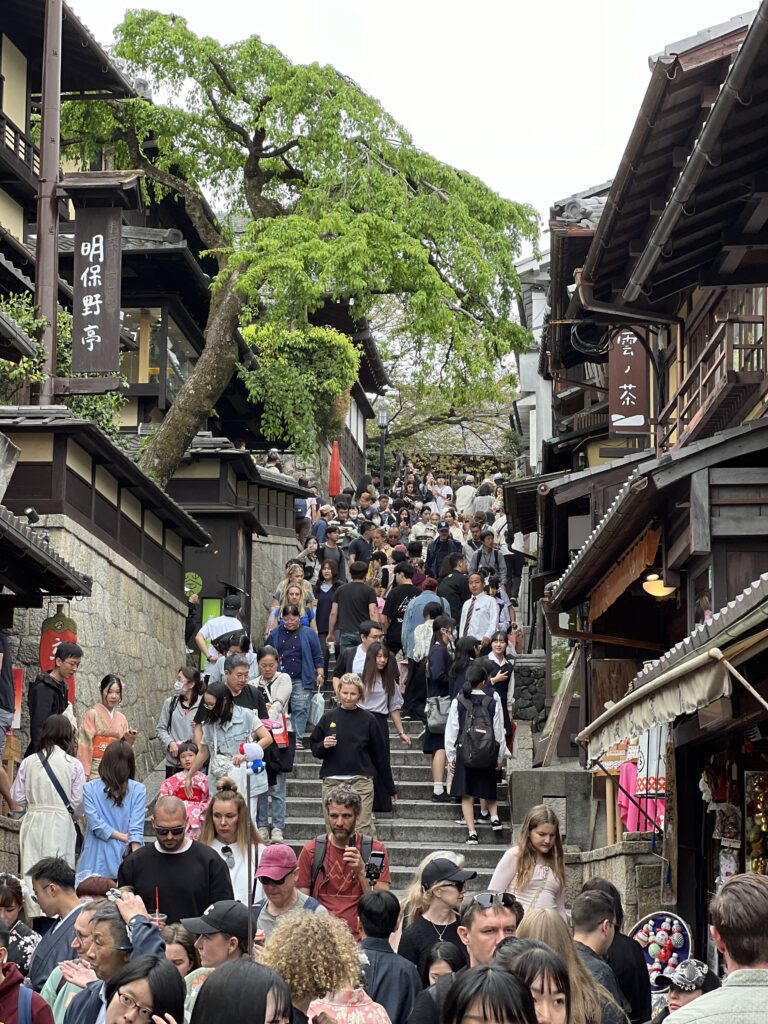
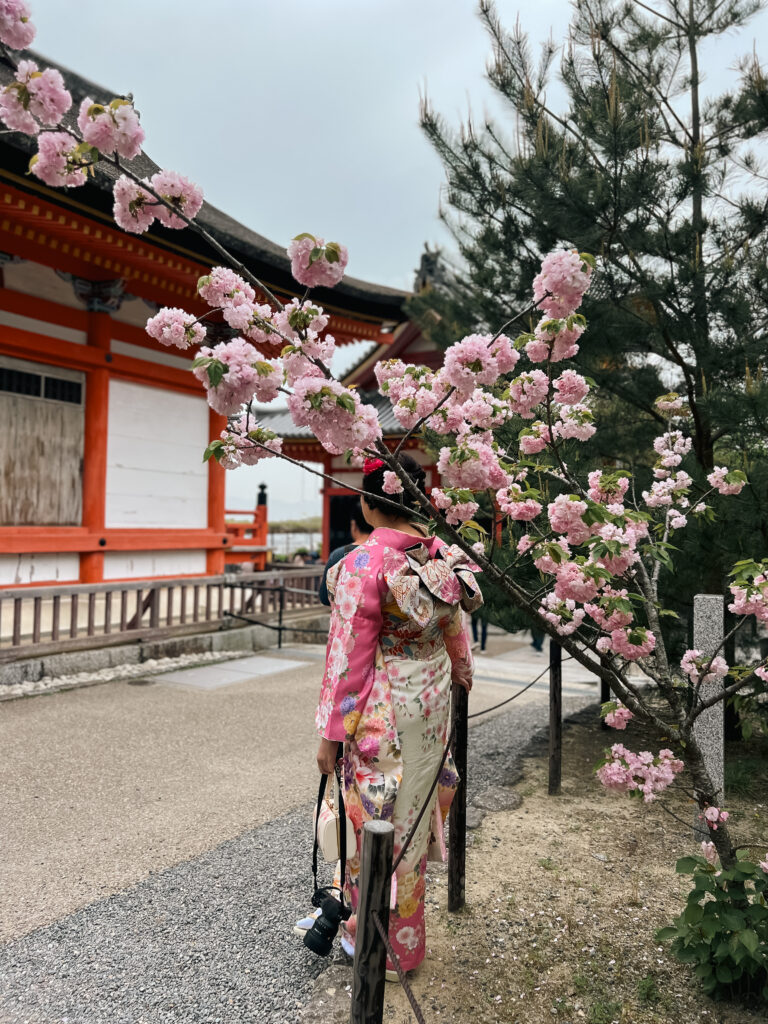
Our first morning in Kyoto started wandering through Sannenzaka and Ninenzaka, famous for their charming stone-paved streets lined with traditional wooden houses, small cafés, and quaint shops. Even though the streets were busy with tourists, there’s a rhythm to the flow that makes it easy to enjoy. The smell of street snacks, the delicacies in shop windows, and visitors in elegant kimono add a timeless charm.
Kiyomizu-dera and Nio-mon Gate
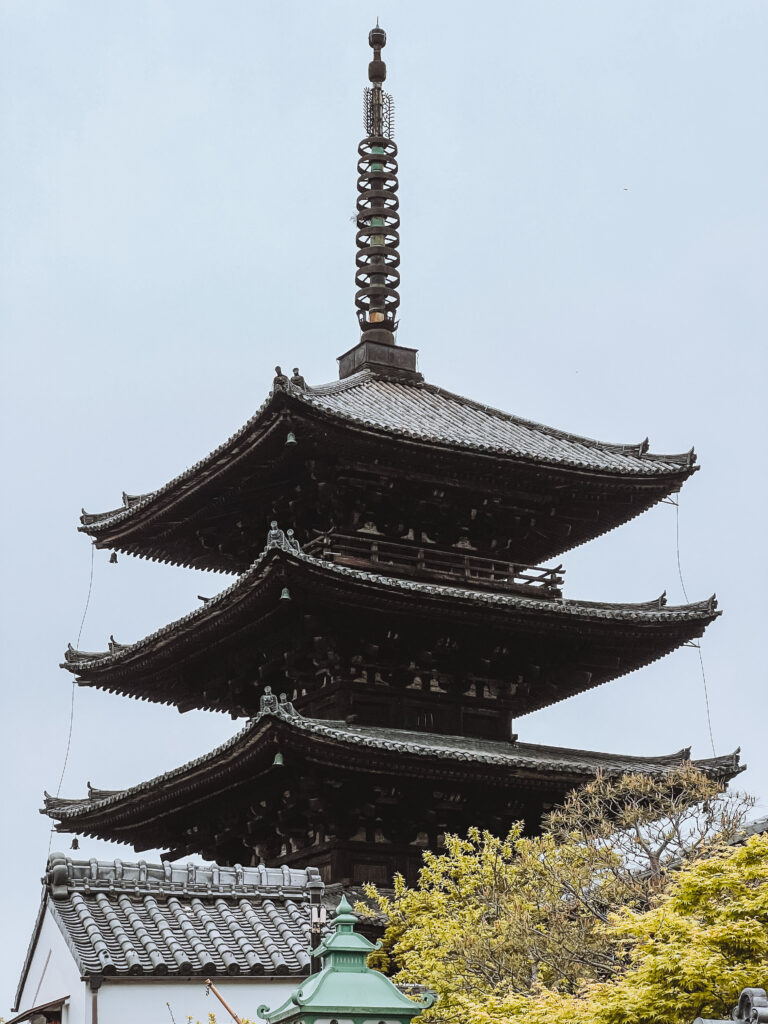
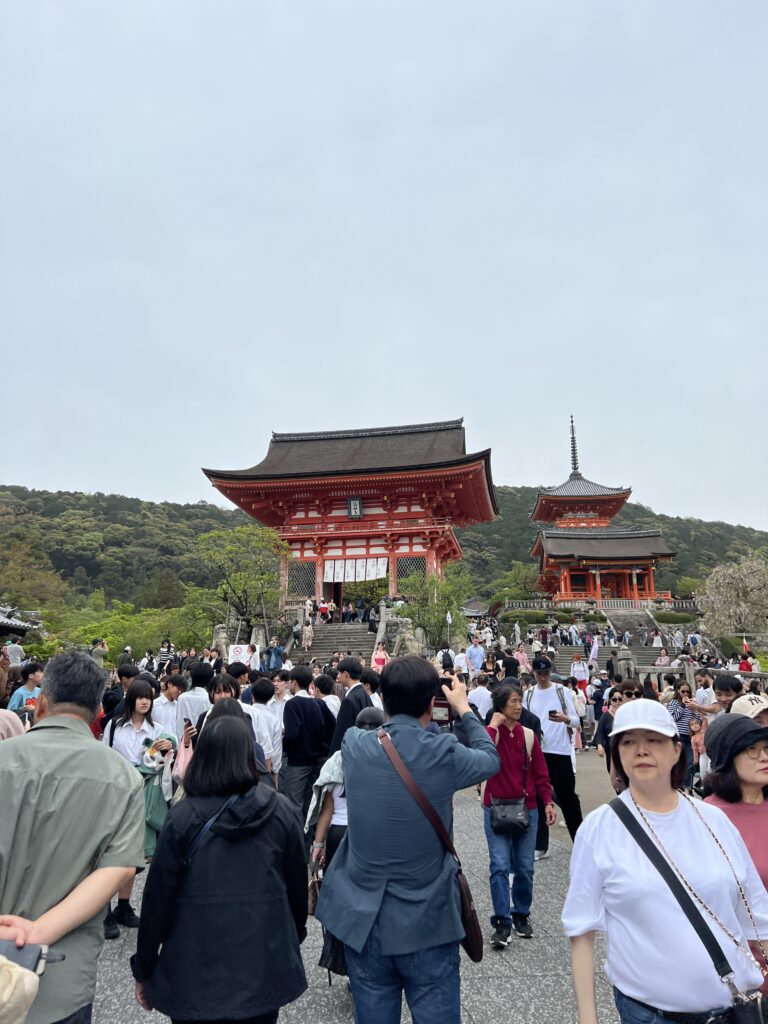
Following the streets, we reached Nio-mon Gate, the impressive entrance to Kiyomizu-dera Temple. The guardian statues and wooden architecture are stunning. Climbing up to the main hall, the sweeping views over Kyoto are breathtaking. The entrance fee is around 400 ¥, and it’s worth every yen for the panorama and atmosphere.
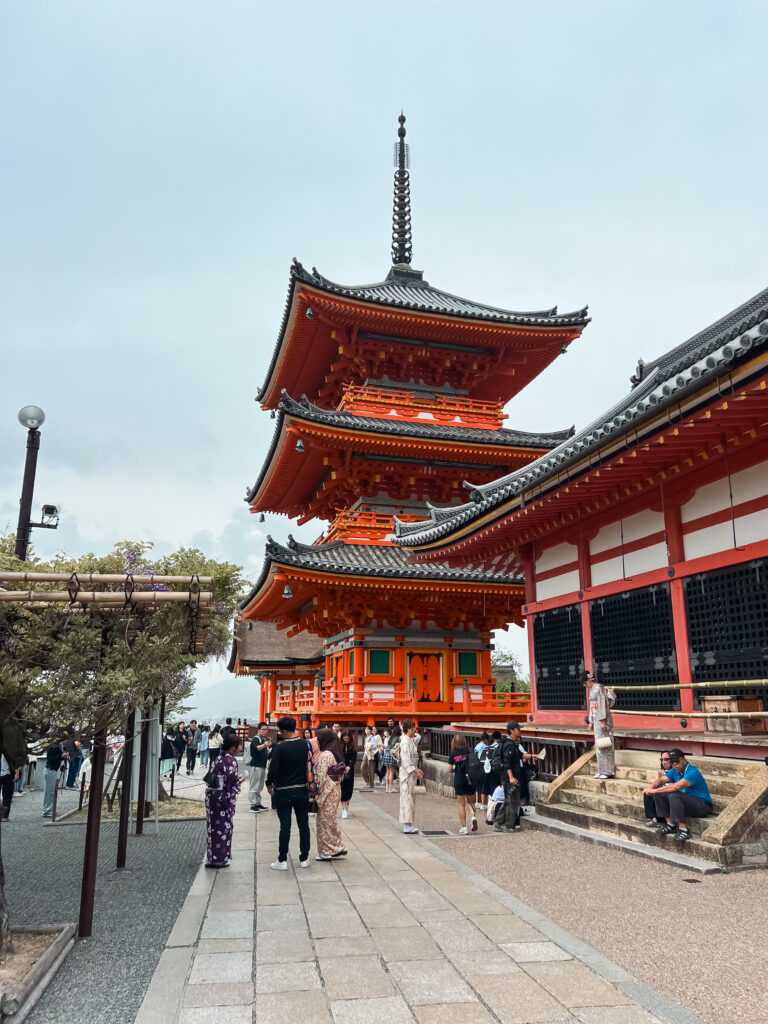
Gion, Yasaka Shrine, and Maruyama Park
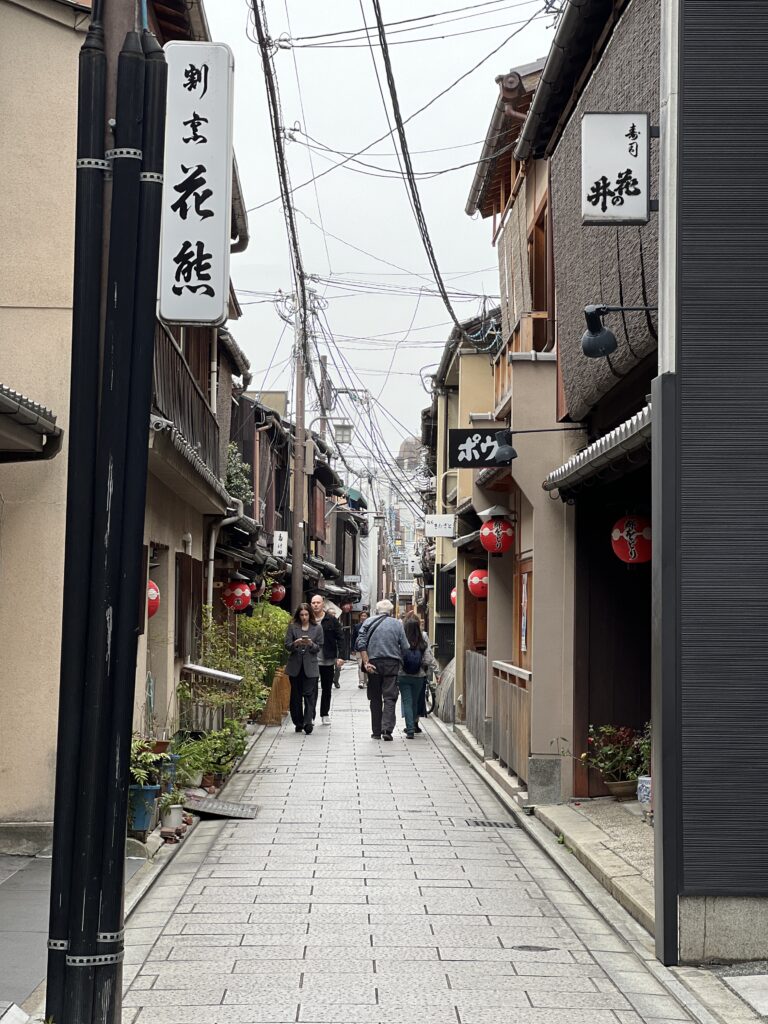
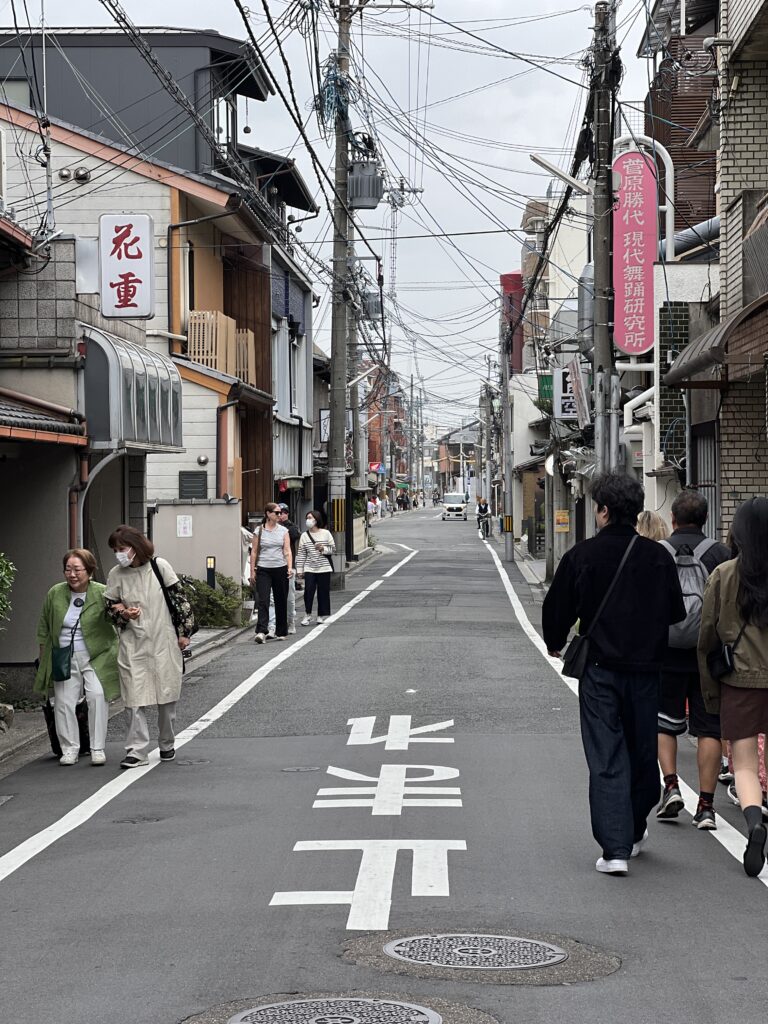
From Kiyomizu-dera, we wandered into Gion, Kyoto’s historic geisha district. The narrow streets are lined with machiya houses, teahouses, and small temples. We visited Yasaka Shrine and strolled through Maruyama Park, enjoying the seasonal flowers and quiet corners.
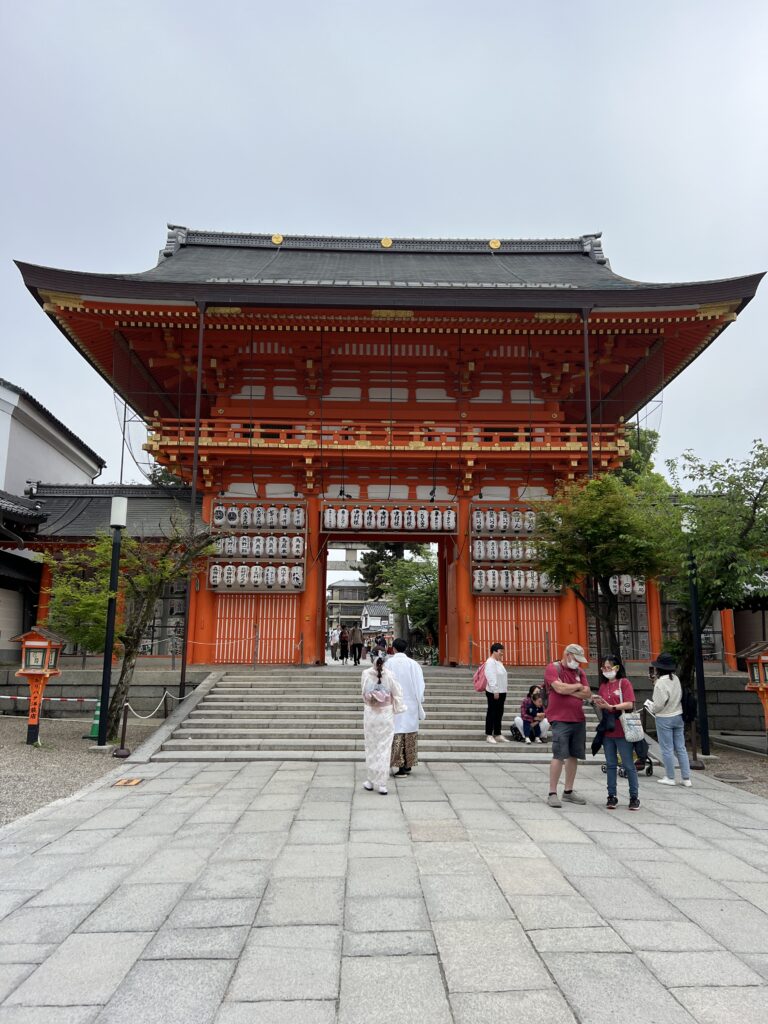
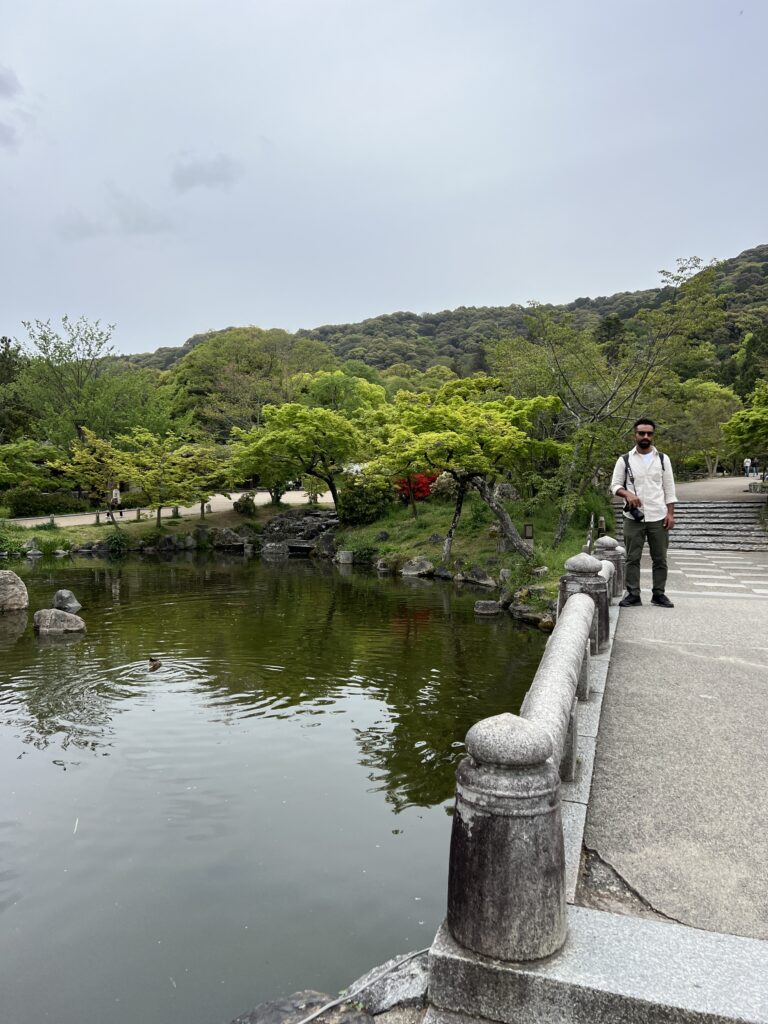
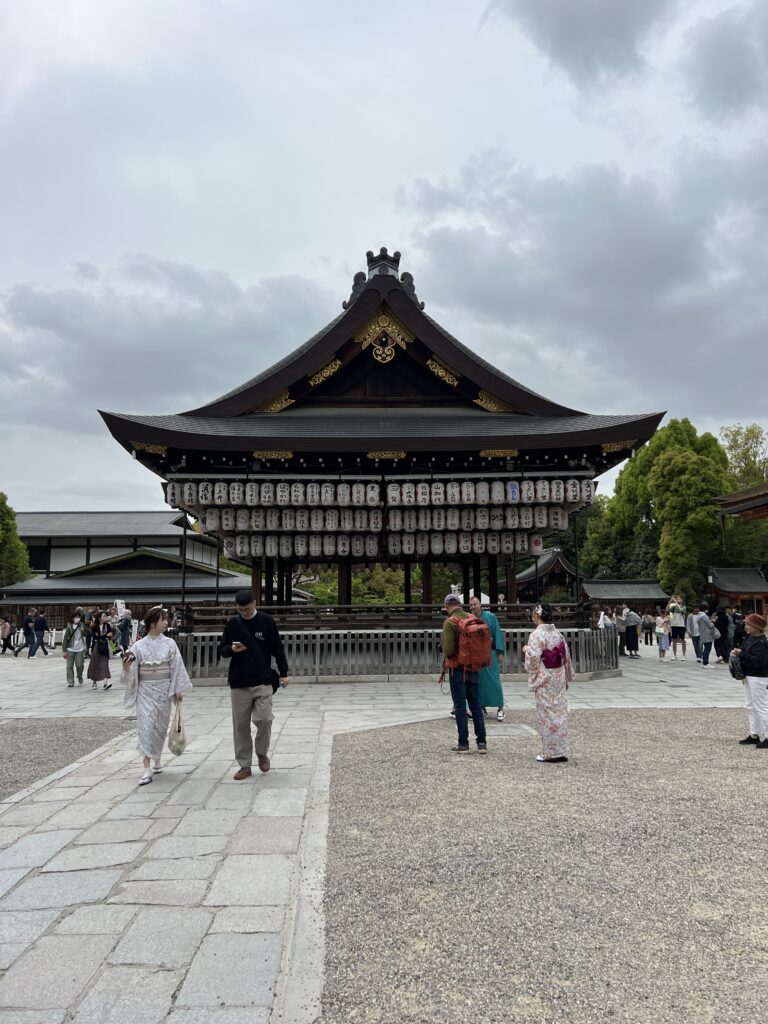
One street that particularly stood out was Nishi-Hanamikoji Street — a picturesque, narrow street where traditional wooden houses and lanterns create the perfect backdrop for photography. Walking here felt like stepping back in time, and every corner offered charming views, hidden cafés, and unique little shops.
Walking Along the River to Sanjo Meiten Shopping Arcade
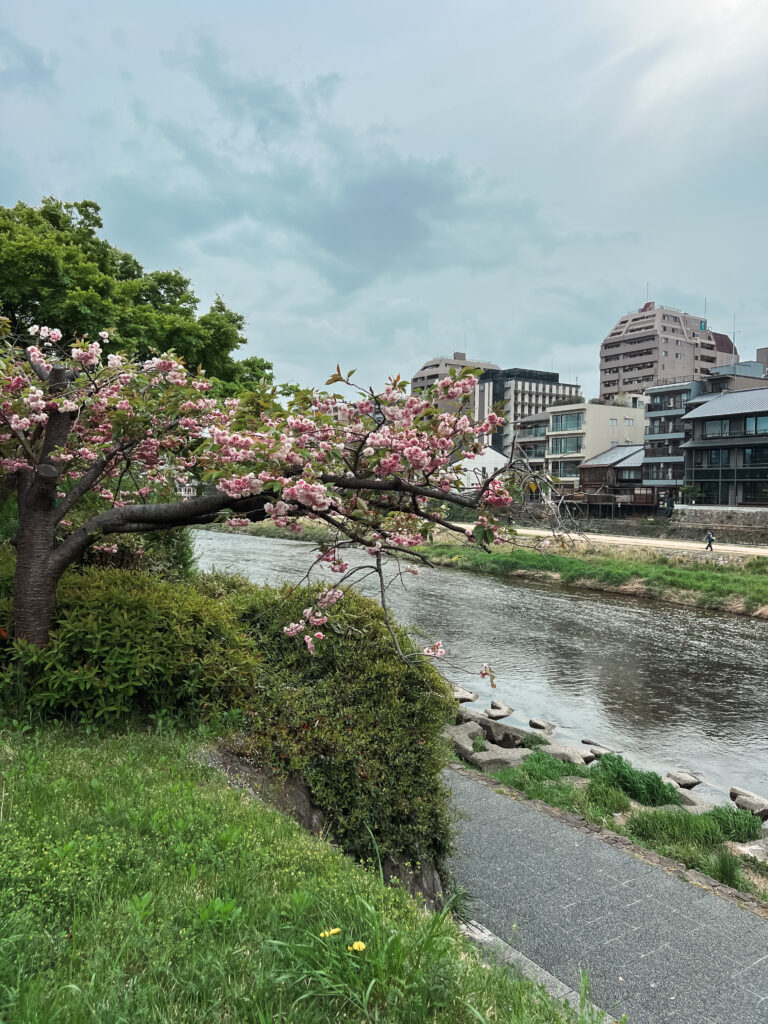
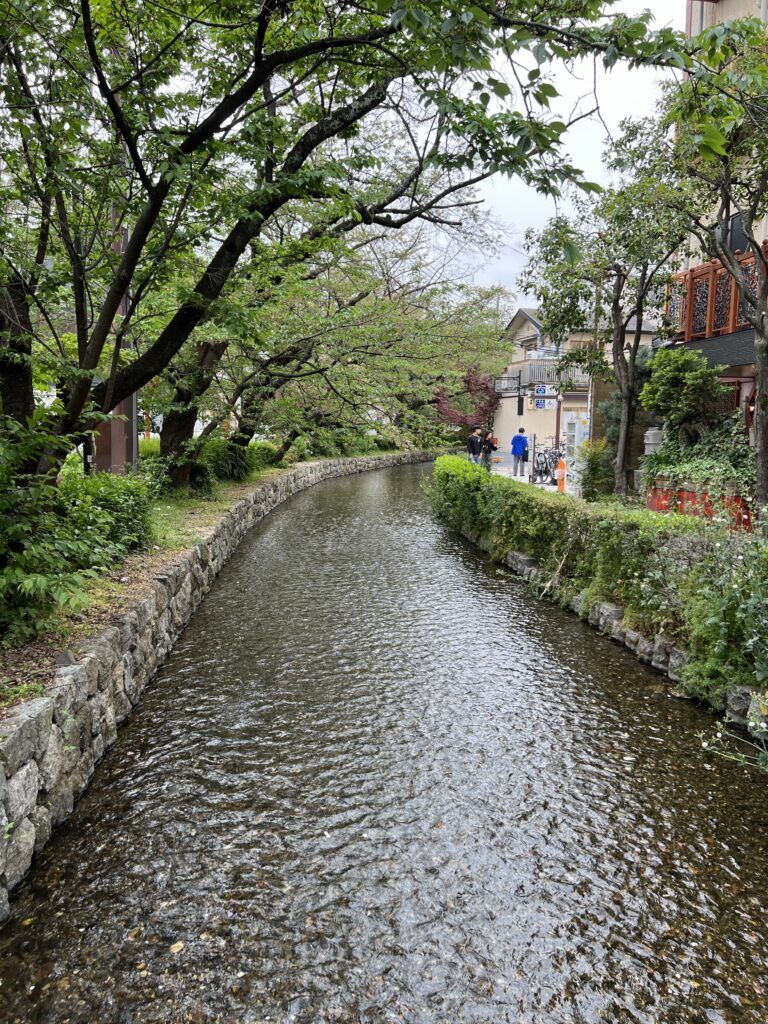
Along the way, we passed a few charming bridges over the river, each offering lovely views of the city and perfect photo opportunities. If you’re exploring on foot, these streets and riverside paths are full of picture-perfect corners and small surprises waiting to be discovered.
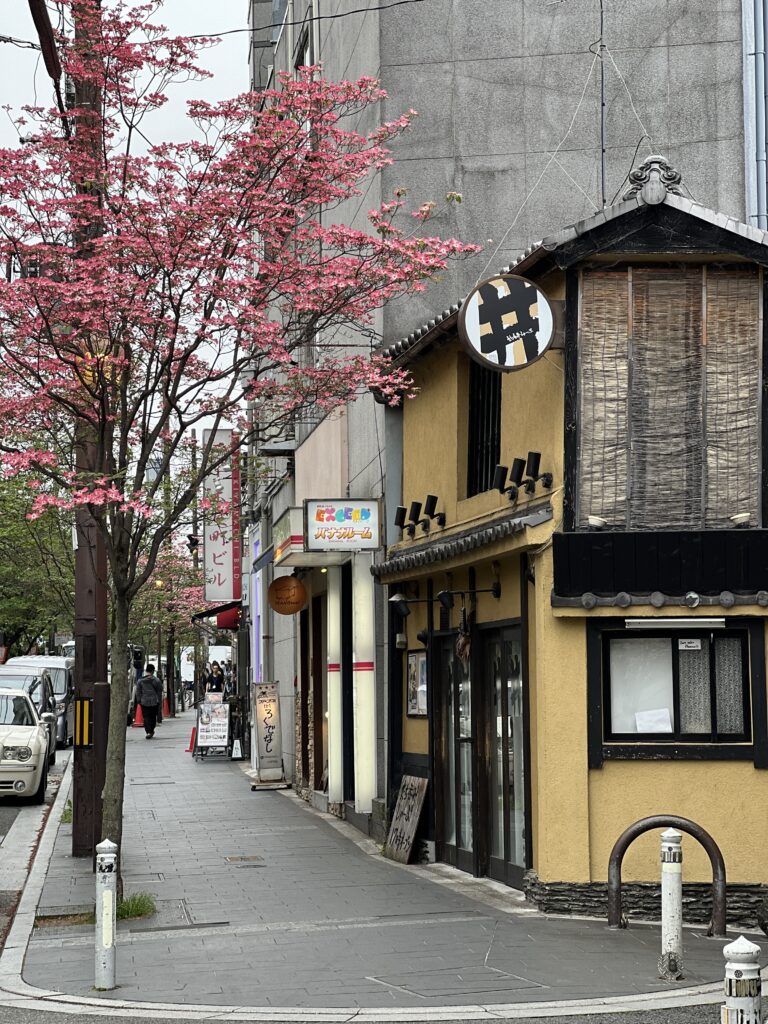
Eventually, this scenic walk brought us to the Sanjo Meiten Shopping Arcade, a lively street filled with boutiques, cafés, and local treasures. Walking allowed us to linger, take photos, and soak in the energy of the city.
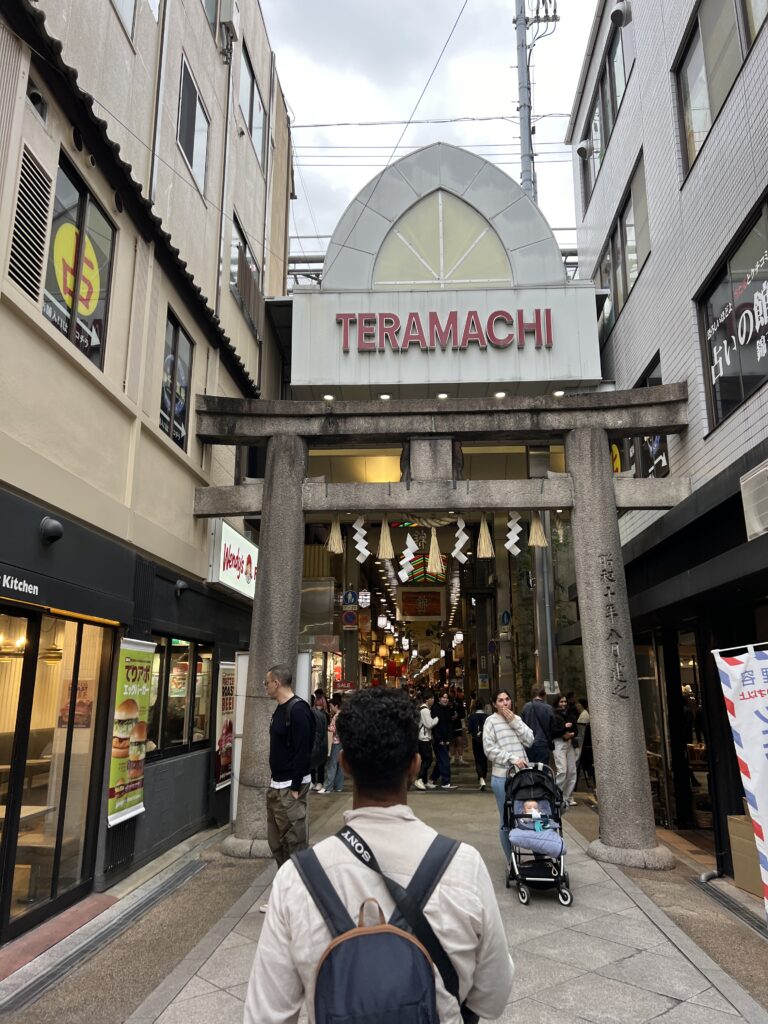
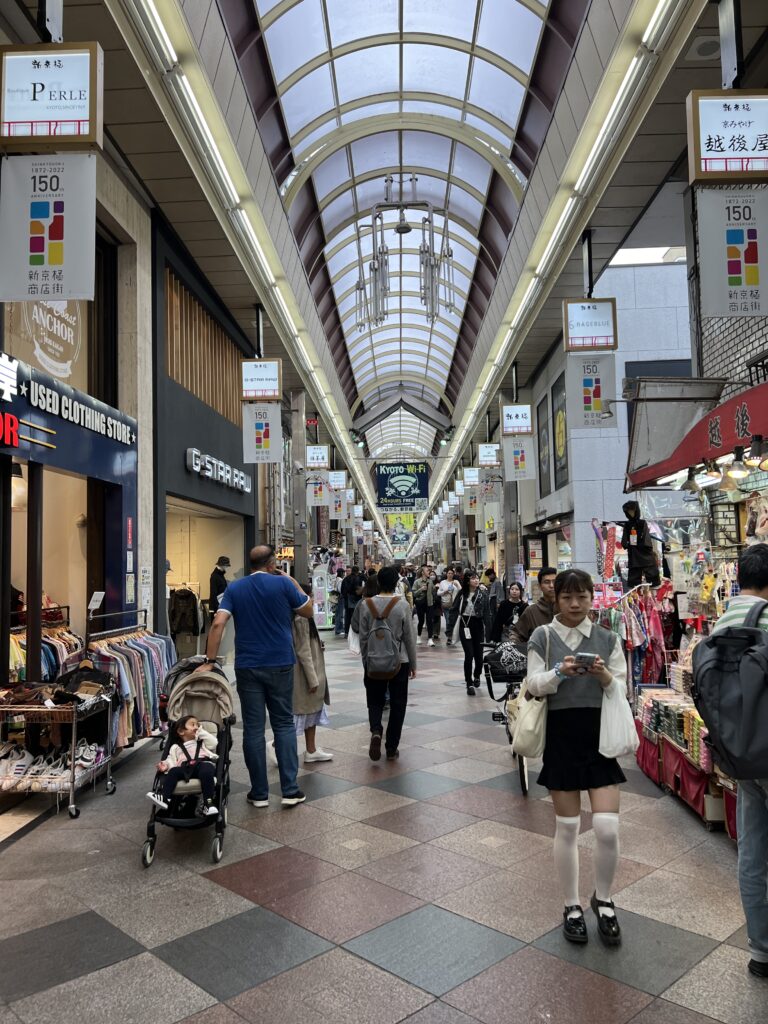
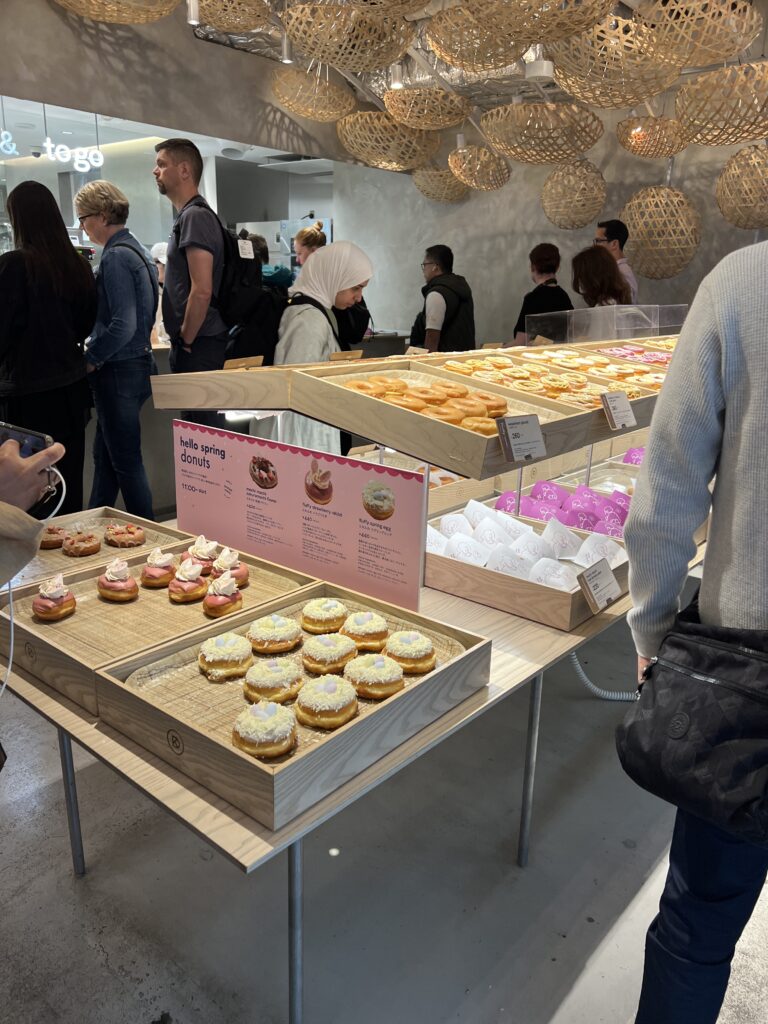
Dinner at Nishiki Market
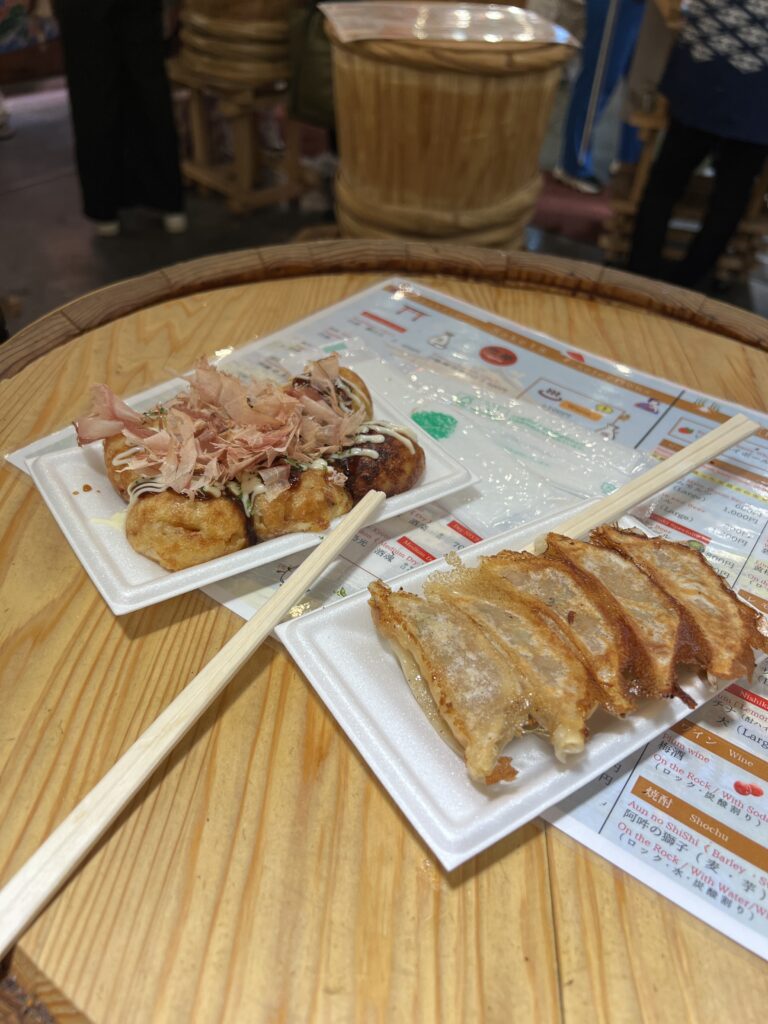
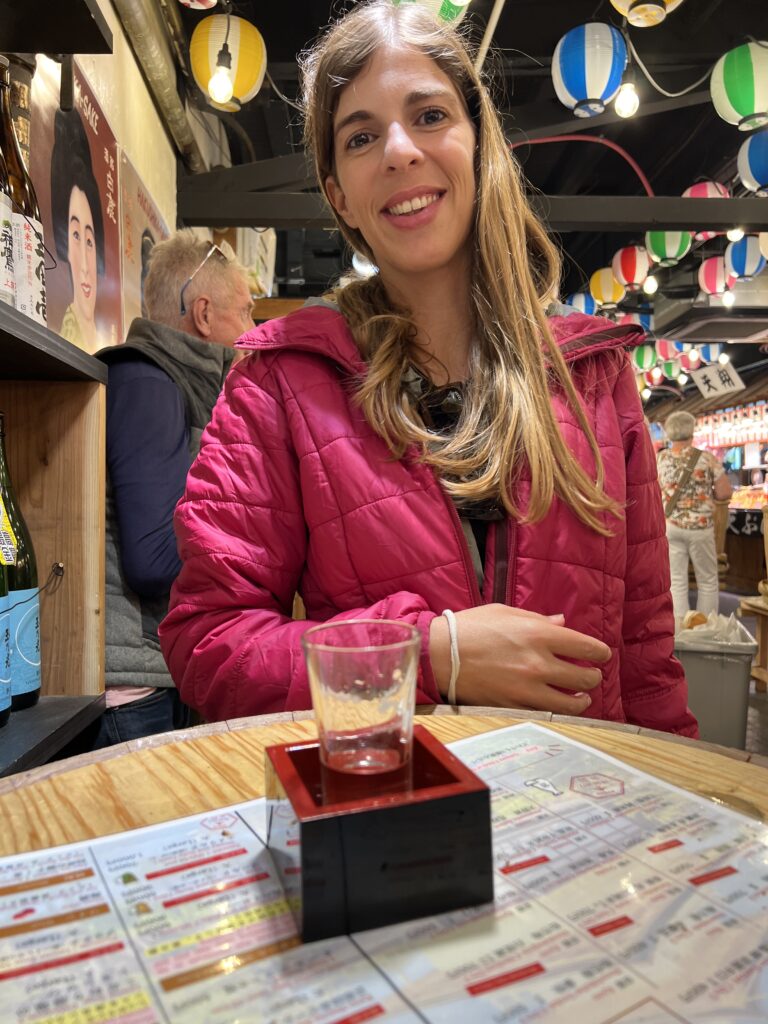
We ended the day at Nishiki Market, enjoying a variety of Kyoto specialties for dinner. We tried dumplings, takoyaki (round octopus balls), and washed it down with sake. The vibrant stalls, sizzling street food, and bustling atmosphere made this evening a perfect culinary experience, highlighting Kyoto’s local flavors.
Day 2: Arashiyama, Bamboo Grove, and Fushimi Inari Torii Gates
Bamboo Grove and Arashiyama
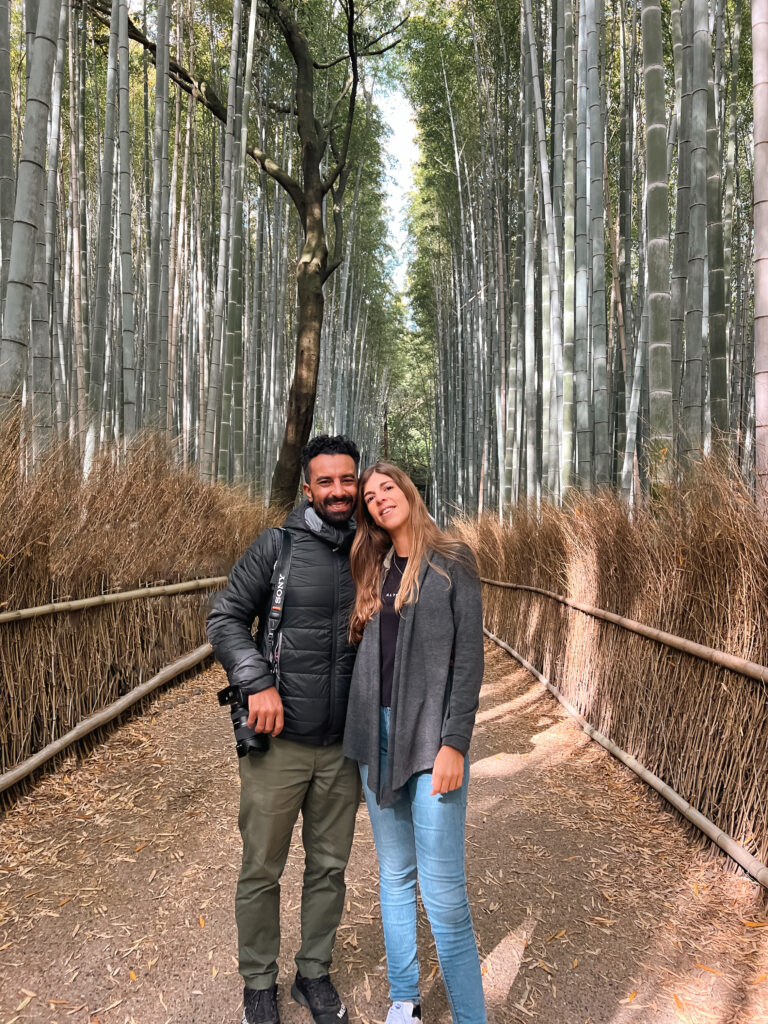
On day two, we explored Arashiyama, a place that feels peaceful and almost magical. Walking through the iconic Bamboo Grove was a highlight, the tall bamboo swaying gently above us and the soft light filtering through the leaves created a calm and beautiful atmosphere.
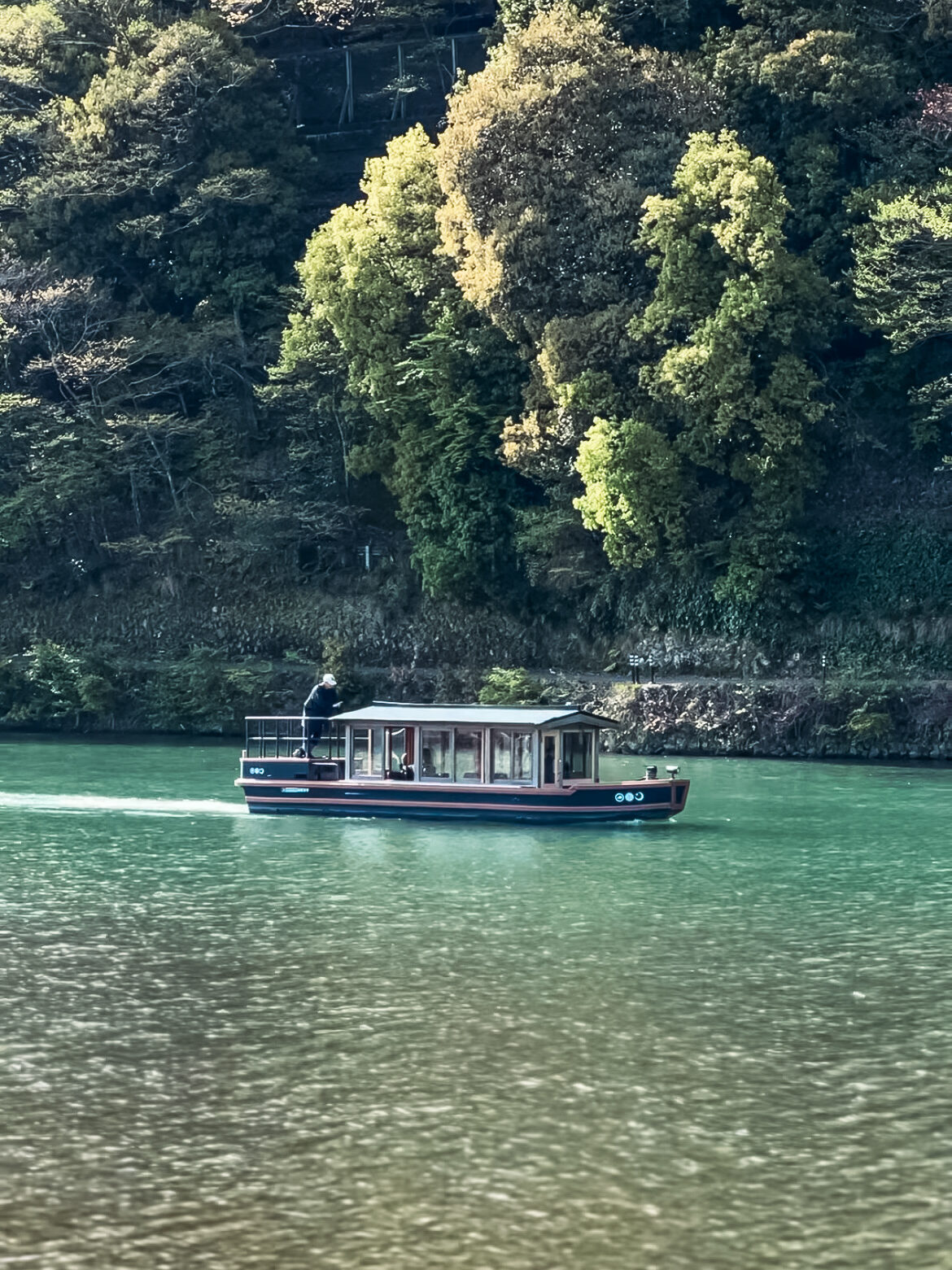
We then crossed Togetsukyo Bridge, enjoying the views of the river and surrounding hills. From the bridge, we could see the forest on the other side, home to wild macaques at Iwatayama Monkey Park, adding a touch of wildlife to the scenery. Walking along the nearby streets, we discovered small shops, cafés, and traditional buildings. Exploring on foot let us pause whenever something caught our eye, uncovering little corners that made the day feel more personal.
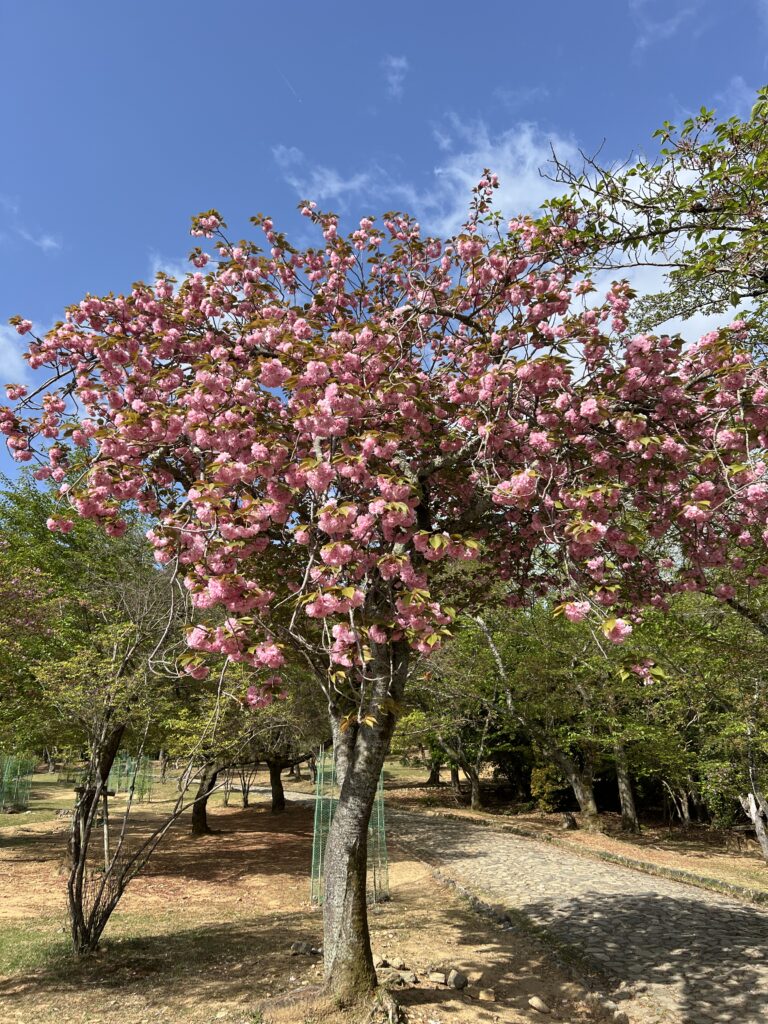
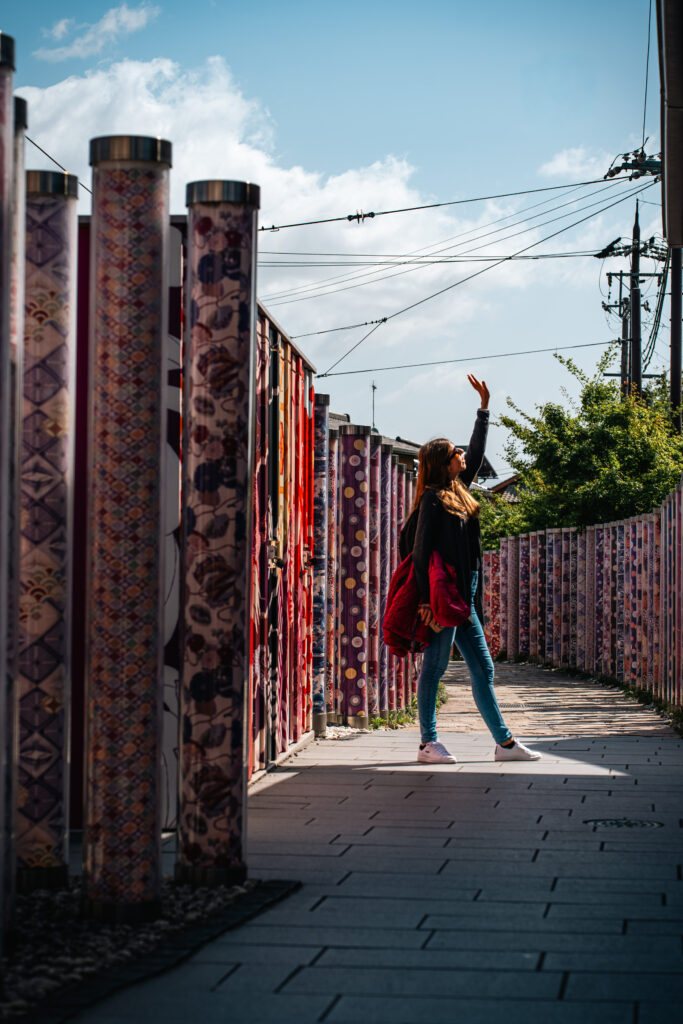
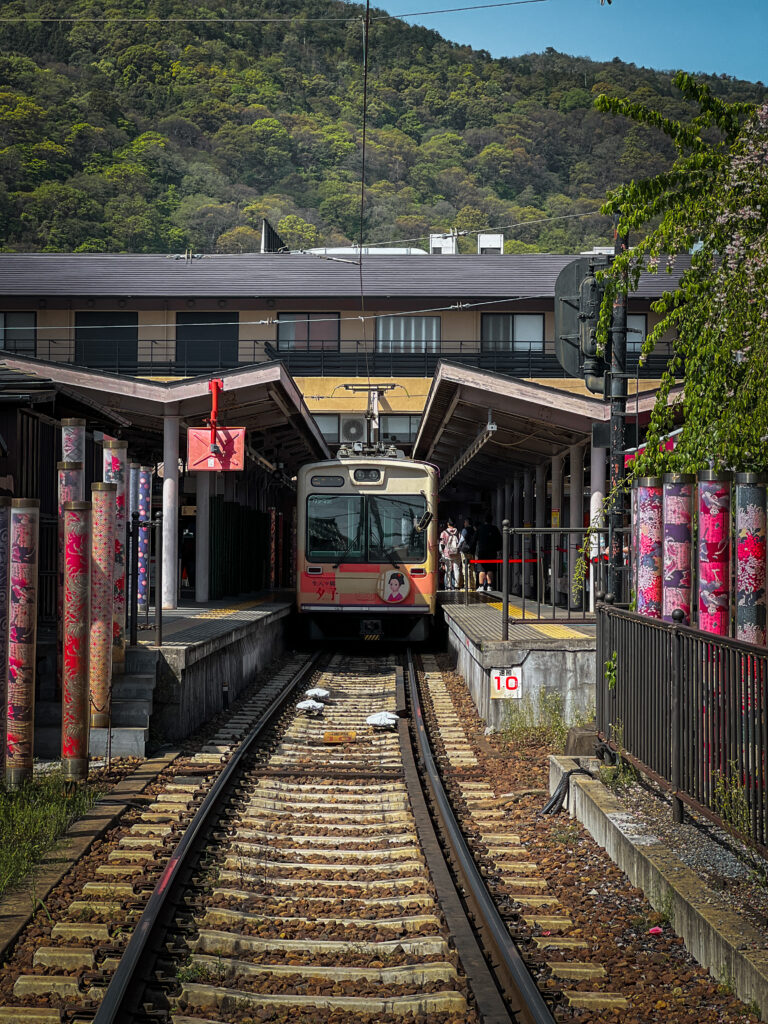
Near the station, we passed the colourful Kimono Forest, a series of artistic textile-covered pillars at the Randen tram stop. The tram lines nearby are especially beautiful in spring when the cherry blossoms are in bloom, creating a stunning scene. We also noticed the Sagano Scenic Railway (Torokko Train) waiting at the station, even from a distance, the train looked beautiful, and the tracks along the forest must be incredible to see, especially during cherry blossom season.
Fushimi Inari Taisha and the Torii Gates
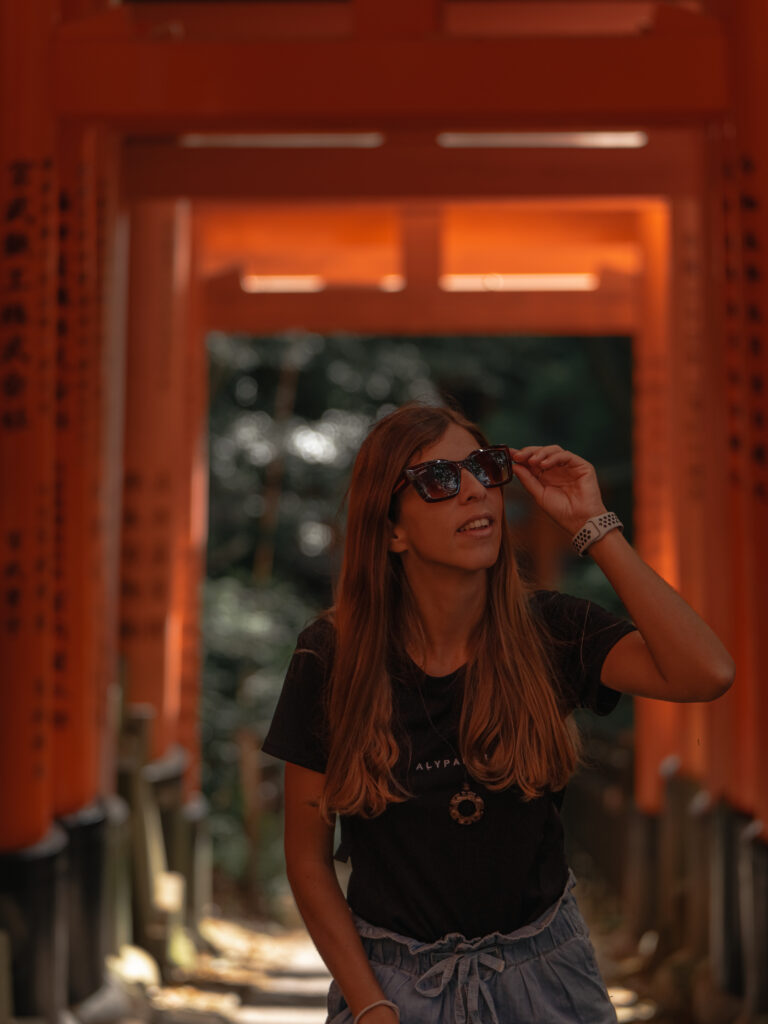
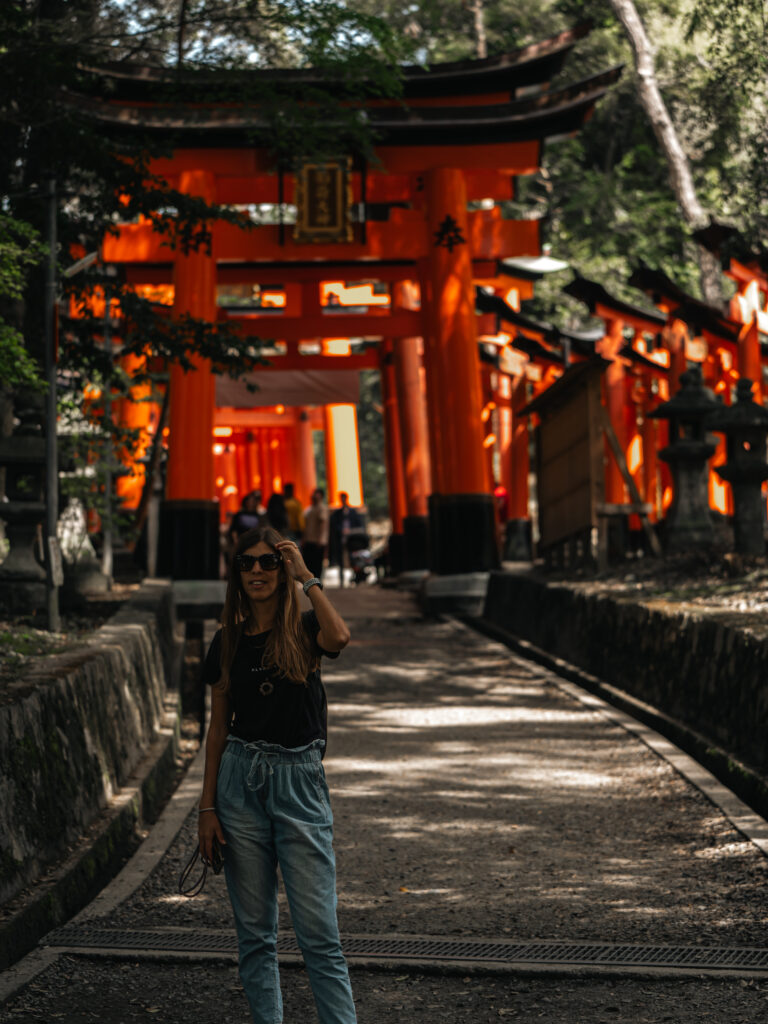
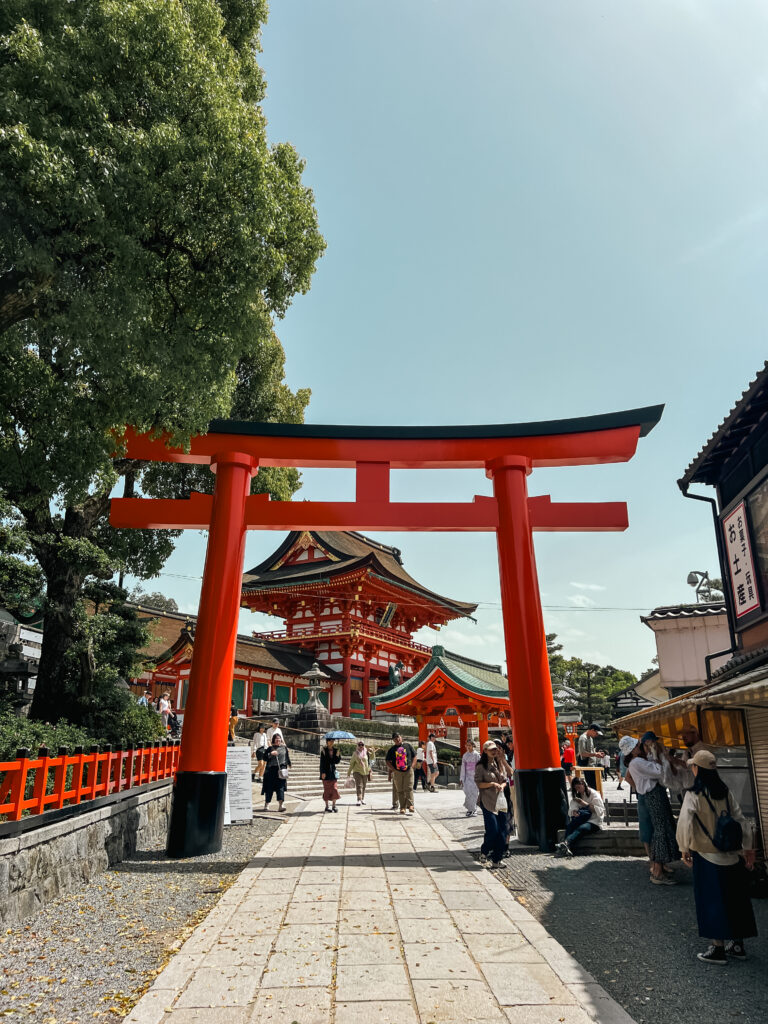
In the afternoon, we visited Fushimi Inari Taisha, famous for its thousands of vermilion torii gates. While many guides recommend arriving early to avoid crowds, we found that although the entrance is busy, once you start walking up the trails, the crowd thins out. The paths stretch far into nature, and as you continue, you can find peaceful spots almost entirely to yourself.
Walking here is a mix of light exercise and relaxation, plenty of uphill and downhill stretches, combined with beautiful natural scenery. Spending a good part of the afternoon exploring the trails was one of the most enjoyable ways to experience Kyoto, without the stress of racing against the crowds.
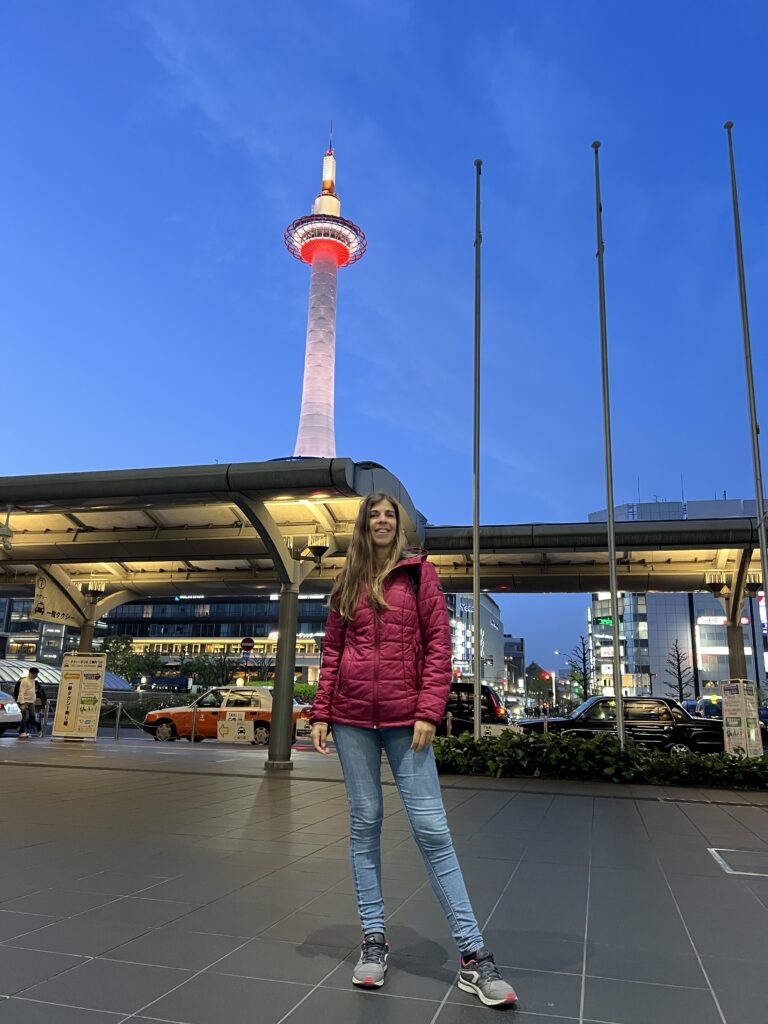
Tokyo Tower at Night
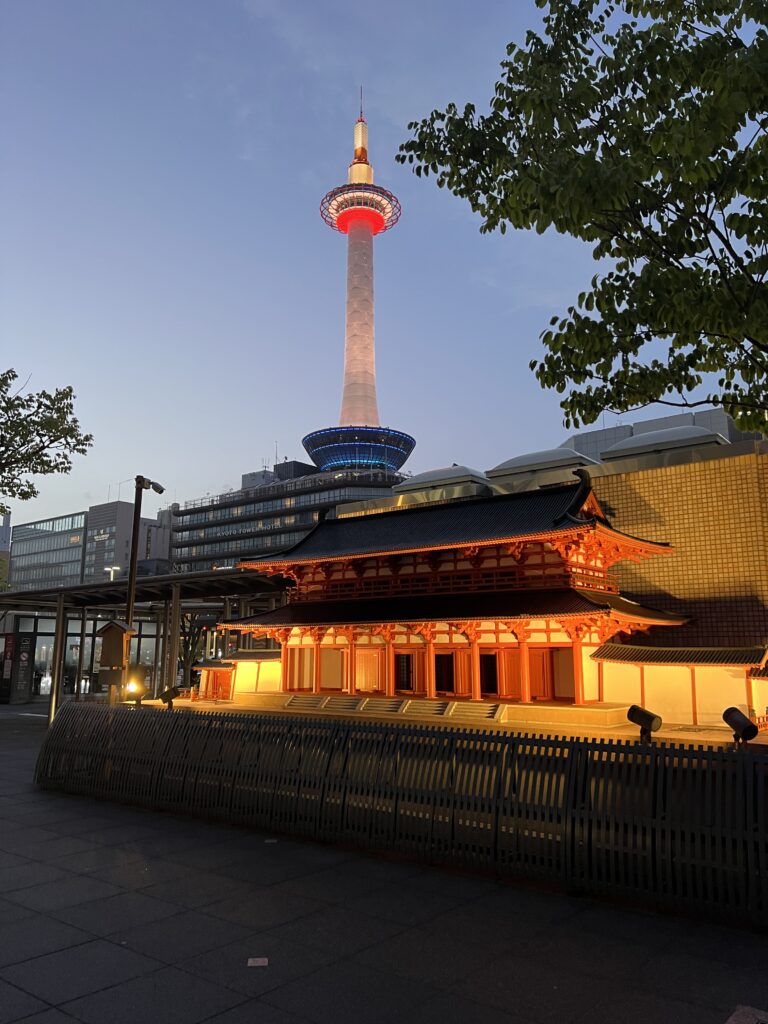
After returning from the torii gates, we ended the day with a visit to Tokyo Tower, located near the train station. Seeing the illuminated skyline at night is a different perspective and a lovely way to close the day.
Day 3: Northern Kyoto – Golden Pavilion, Temples, and Optional Nara Day Trip
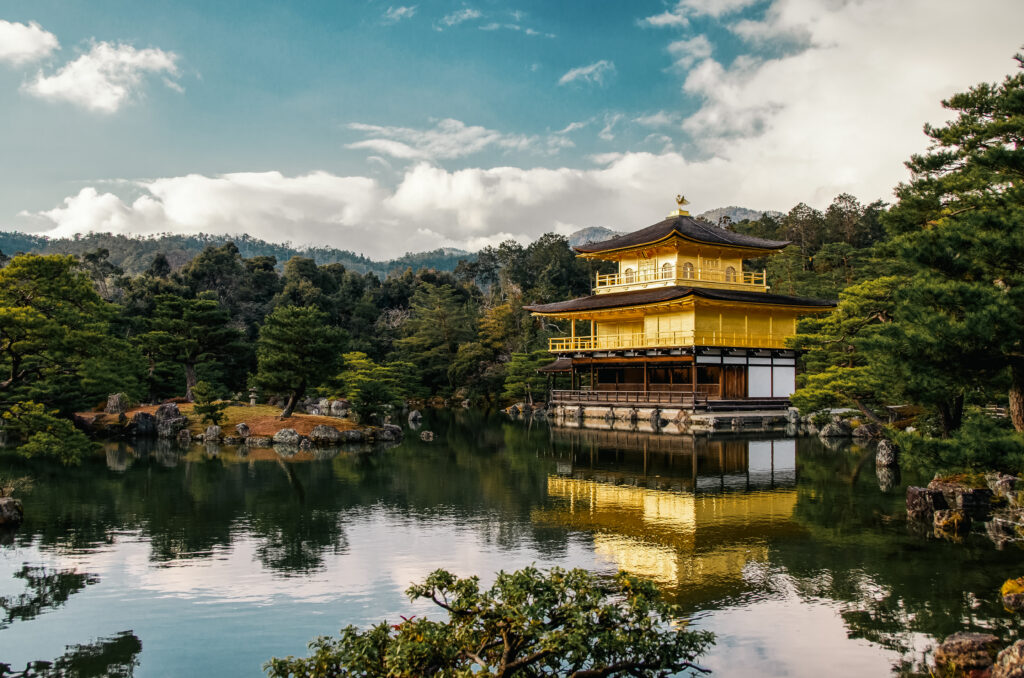
Kinkaku-ji Golden Pavilion
On our third day in Kyoto, we visited Kinkaku-ji, also known as the Golden Pavilion. This iconic temple is one of the most famous landmarks in Japan, and seeing it reflected on the calm pond was truly unforgettable. The golden structure shines beautifully, creating a peaceful and almost dreamlike scene.
As we walked through the surrounding gardens, the atmosphere felt calm and unhurried. The carefully designed paths invite you to slow down and enjoy the moment. Overall, visiting Kinkaku-ji was a serene experience and one of the highlights of our time in Kyoto.
Nijo Castle
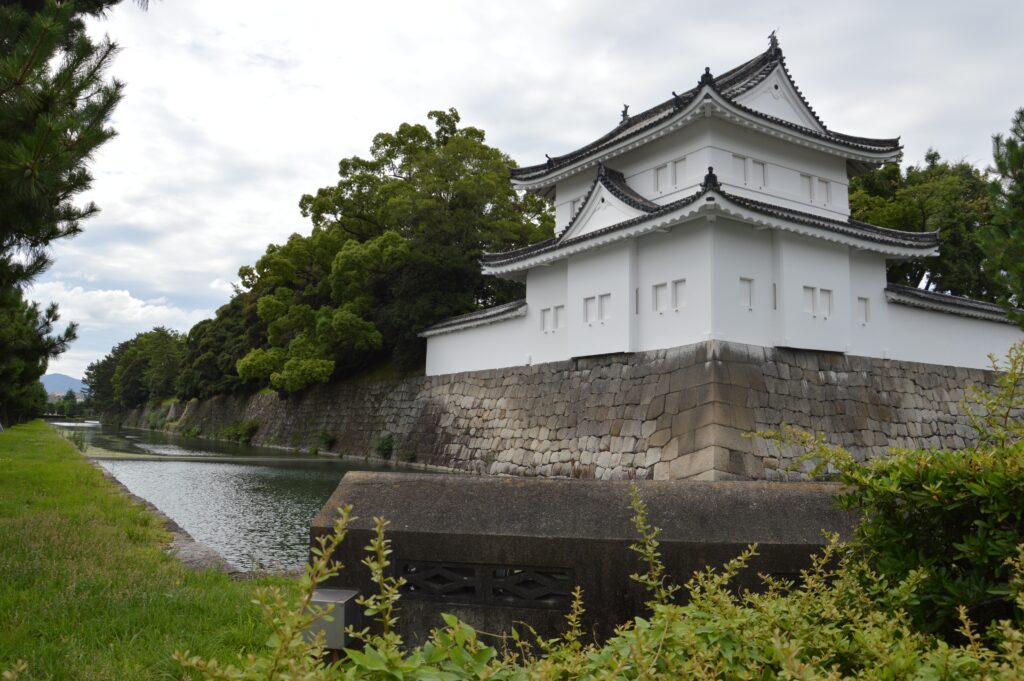
Later that day, we visited Nijo Castle, one of the places that really helped us understand Kyoto’s history. As we walked through the former samurai residence, the traditional architecture and quiet gardens immediately stood out. Moving from room to room, it was easy to imagine what life might have been like during Japan’s feudal era.
What we enjoyed most was the calm atmosphere and the feeling of stepping back in time. Visiting Nijo Castle was not only interesting, but also a meaningful experience that added depth to our time in Kyoto.
Optional Day Trip to Nara
If you have a bit of extra time during your stay, a day trip to Nara is something we truly recommend. One of the reasons it’s so popular is how easy it is to get there, whether you’re traveling from Kyoto or Osaka. The journey is short and uncomplicated, which makes Nara a flexible option for different itineraries.
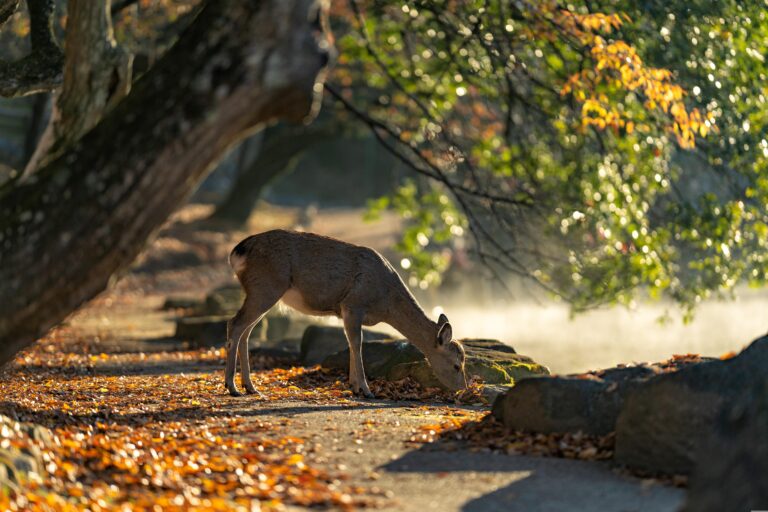
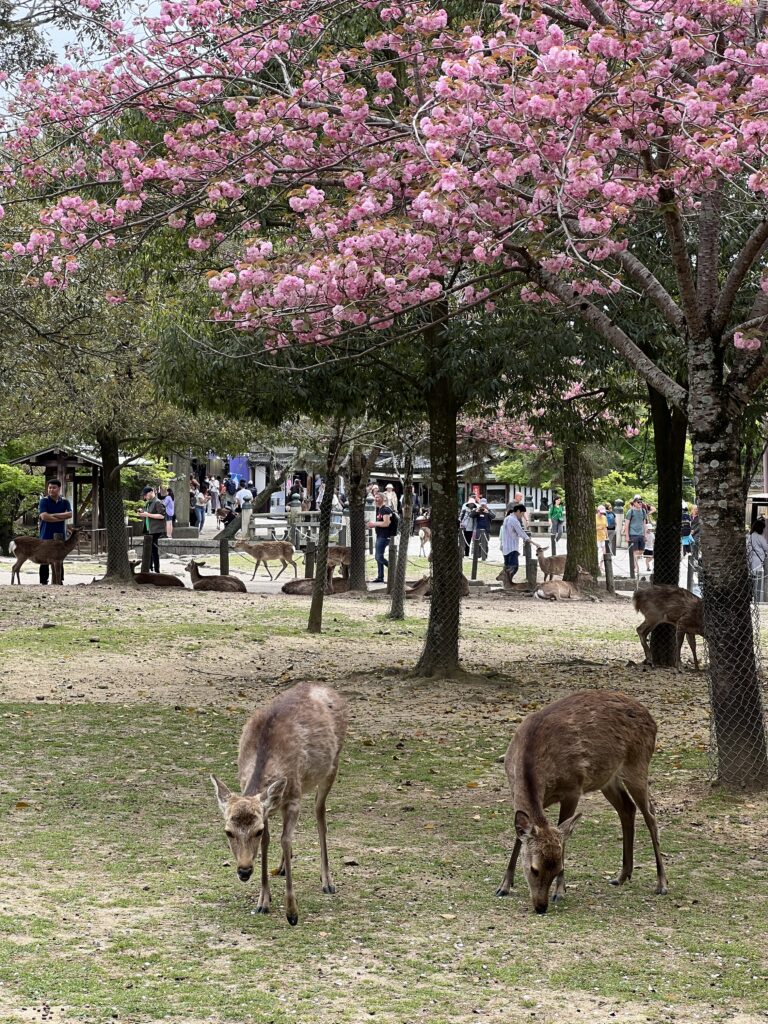
We really enjoyed wandering through Nara Park and seeing the friendly deer up close. There’s something special about the way they move freely around the temple grounds, and it felt almost magical just walking among them. Even a simple stroll through the park or past Todai-ji Temple gives you a sense of Nara’s peaceful atmosphere.
For more tips and ideas, you can check out our full guide to a day trip to Nara to help plan your visit.
Final Thoughts on Kyoto
Kyoto has so many places to visit and so many temples that it can feel overwhelming at times. Take your time and don’t try to see everything at once. When time is limited, it’s better to choose a few spots and really enjoy them. Believe us, slowing down and soaking in the atmosphere will make your visit much more memorable. After spending time here, it’s easy to see why Kyoto is one of the most visited cities in Japan, the history, culture, and beauty stay with you long after you leave.
This itinerary gave us full days, but we still felt it was manageable, and of course, everyone can adapt it to their own pace and interests. The key is to enjoy each moment and make the experience your own.