
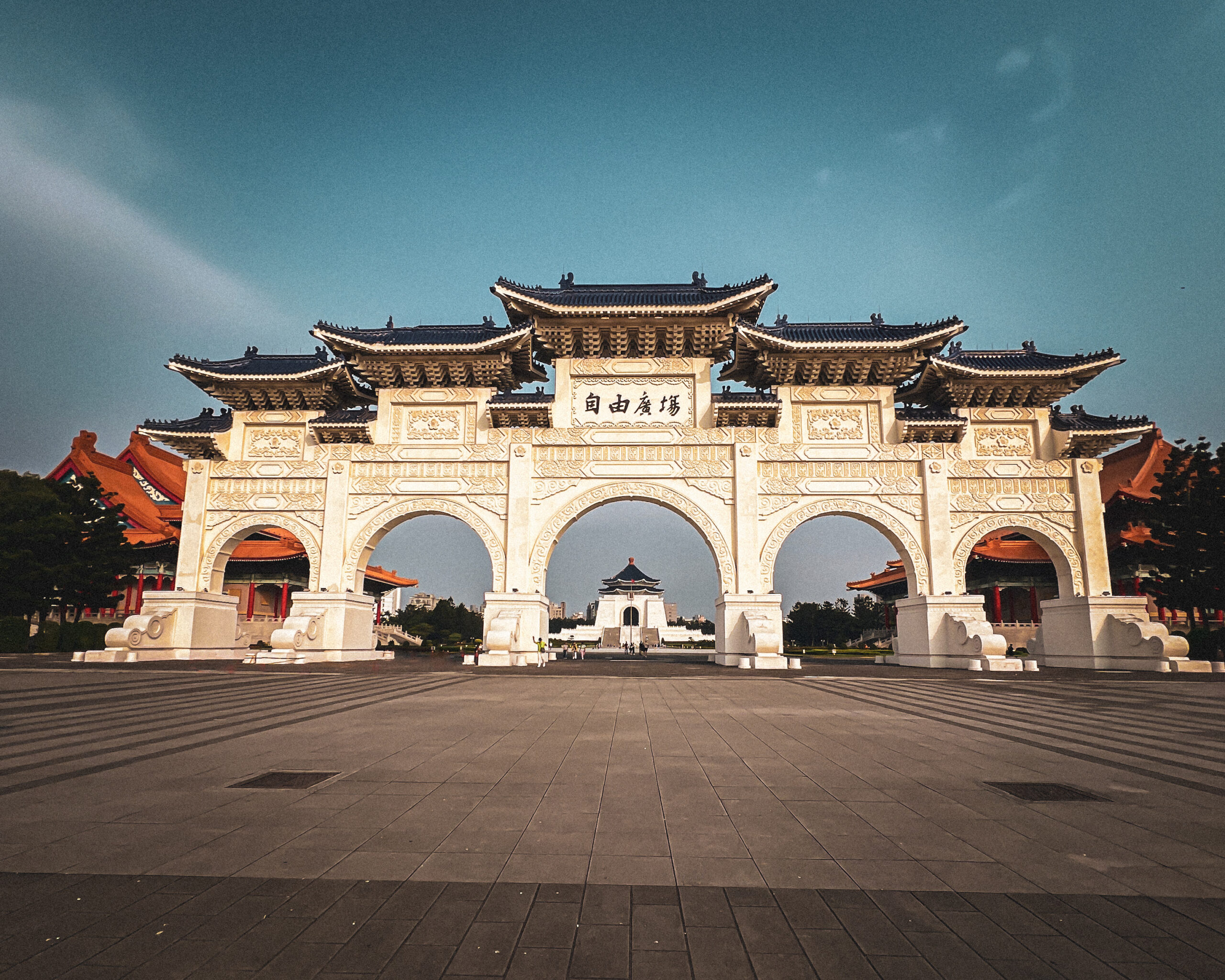

Planning a trip to Taiwan and wondering how to fit everything into two weeks? This guide covers our exact 2-week Taiwan itinerary, plus everything you need to know before you go: transport, safety, best time to visit, and important travel updates.
This itinerary is ideal for first-time visitors, slow travelers, and anyone who wants to experience both cities and nature without rushing.
Is Taiwan Worth Visiting?
Yes, Taiwan is absolutely worth visiting, and for many travelers, it quickly becomes one of their favorite destinations in Asia. In fact, Taiwan offers an impressive mix of modern cities, traditional culture, world-class street food, and diverse natural landscapes, all within a relatively small and easy-to-travel island.
Moreover, Taiwan is known as one of the safest countries to visit in Asia, with excellent public transportation, clean cities, and extremely helpful locals. As a result, moving around the country is simple, even for first-time travelers. In addition, travel costs remain reasonable compared to other Asian destinations with similar infrastructure.
Finally, whether you love food, culture, photography, nature, or slow travel, Taiwan offers something for every type of traveler. From our experience, Taiwan truly exceeded all our expectations, from the lively cities to the peaceful countryside.
Our 2-Week Taiwan Route at a Glance
Here is our exact travel route for two weeks in Taiwan:
- Taichung – 2/3 days
- Kaohsiung – 2 days
- Taitung – 2 days
- Chishang – day trip from Taitung
- Ruifang – 1 or 2 days
- Jiufen & Shifen – day trips from Ruifang
- Taipei – 3/4 days
We decided to start in Taichung because we wanted to travel from south to north. Going directly from the airport made the most sense, saving time and making the itinerary flow smoothly, instead of going to Taipei first and then backtracking south.
What to Know Before Your Taiwan Trip
Before you start exploring Taiwan, there are a few important things to keep in mind to make your trip smoother and more enjoyable. From visa requirements and the digital arrival process to transportation, local customs, money, and connectivity, taking care of these essentials in advance will help you plan your days better and make the most of your journey across the island.
Visa-Free Entry & Passport Requirements
One of the best things about traveling to Taiwan is that many nationalities can enter the country visa-free for tourism, usually for stays of up to 90 days. This makes Taiwan a very accessible destination for travelers from around the world.
However, there are a few basic entry requirements you must meet. Your passport must be valid for at least 6 months from your date of arrival. You may also be asked to show proof of onward or return travel, and sometimes proof of accommodation. It’s always a good idea to have your flight confirmation and hotel reservations easily accessible on your phone.
Visa-free entry is strictly for tourism. If you plan to work, study, or stay long-term, you’ll need to apply for the appropriate visa in advance.
For the most accurate and up-to-date information on which nationalities are eligible for visa-free entry, we strongly recommend checking the official website of Taiwan’s Bureau of Consular Affairs (BOCA). This is the government authority responsible for all visa and entry regulations and provides the complete, official list of visa-exempt countries. Since visa rules can change, it’s always best to double-check this information shortly before your trip.
Digital Arrival Card (TWAC)
As of October 1, 2025, Taiwan officially replaced the traditional paper immigration form with a fully digital system called the Taiwan Web Arrival Card (TWAC). Since then, all international travelers are required to complete the arrival card online before entering the country.
The form is quick, free, and can usually be filled out up to 3 days before your arrival. After submitting it, your information is linked directly to your passport, which means that in most cases there’s no need to print anything. Once you land, immigration officers can access your details electronically, making the arrival process faster and more efficient.
Currency & Payments in Taiwan
Taiwan uses the New Taiwan Dollar (TWD). While credit cards are widely accepted in hotels, shopping centers, and larger restaurants, cash is still essential for night markets, local food stalls, and rural areas. Fortunately, ATMs are easy to find across the country.
Internet & SIM Cards in Taiwan
Staying connected in Taiwan is very easy. You can purchase a SIM card or eSIM directly at the airport after arrival. Internet is fast, affordable, and reliable throughout the island. In addition, free Wi-Fi is available in many cafés, hotels, and public spaces.
How to Travel Around Taiwan
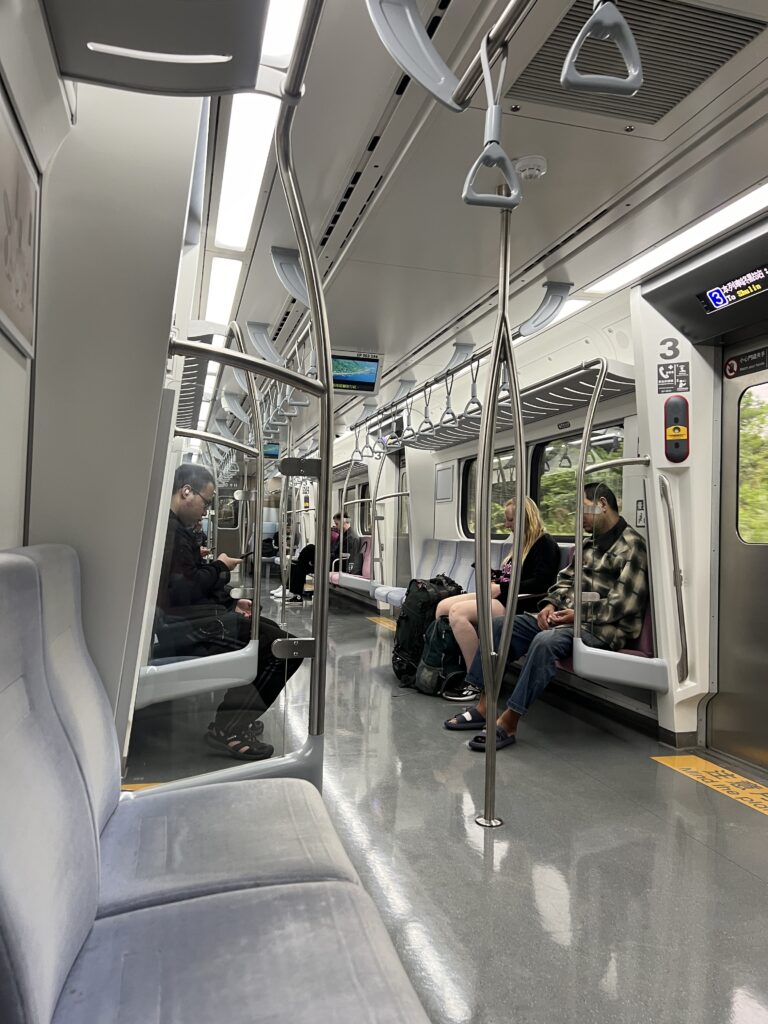
Taiwan has one of the best transport systems in Asia, making it easy to explore the island efficiently. You can get around using:
- Trains (regional and express)
- High-Speed Rail (HSR) for longer distances
- Buses for rural areas, mountains, and smaller towns
- Metro (in major cities like Taipei, Kaohsiung, and Taoyuan
In most cases, renting a car is not necessary, unless you plan to visit very remote regions.


To make traveling even easier, you can use Google Maps, which often shows the best combinations of trains, buses, and metro routes, including approximate prices. Several apps designed for Taiwan’s transportation can also help:
- Taiwan Travel – Smart Transit – Useful for planning mixed routes across Taiwan, including trains, buses, and metro. It helps you find the most efficient connections and check schedules and fares.
- Go! Taipei Metro – Ideal for exploring Taipei. Shows the metro map, station exits, next train times, and real-time alerts, perfect for navigating the city easily.
- Citymapper – Covers major cities in Taiwan, including Taipei. Combines metro, bus, train, and walking routes for fast and efficient planning.
- Taichung City Bus – Specific for Taichung, shows local bus routes, schedules, and stops. Great for getting around the city without confusion.
- Taipei Bus & MRT (alternative) – Another app focused on Taipei’s public transport, helpful for checking schedules in English.
Finally, if you’re at a main train or bus station, the staff are usually very helpful. We asked for directions multiple times during our trip, and they were always patient and happy to explain the best routes, including which trains or buses to take and the most efficient connections. By combining transport apps, Google Maps, and advice from station staff, we were able to travel across Taiwan smoothly, save time, and avoid any confusion — making the journey stress-free and enjoyable.
EasyCard: Your Travel Companion
One of the most convenient tools for getting around Taiwan is the EasyCard, a rechargeable smart card. It costs NT$100 (non-refundable) for the basic card, still these price doesn’t include rides, it’s only deposit. For travel you will need to top up até least NT$200.
- What it’s for: Tap on metros, buses, and some trains; also works at convenience stores, vending machines, and some taxis.
- Where to get it: Metro stations, major convenience stores (7-Eleven, FamilyMart, Hi-Life, OK Mart), or airport kiosks.
- How to use and top up: Load credit at stations, stores, or via the EasyCard app. Tap in/out for transport, check your balance easily.
Pro tip: Keep extra balance loaded for rural buses, and enjoy the convenience of using the same card nationwide.
Best Time to Visit Taiwan
The best time to visit Taiwan is during spring (March to May) and autumn (October to November). During these months, the weather is pleasant, humidity is lower, and sightseeing is more comfortable.
On the other hand, summer is hot and very humid, and it also coincides with typhoon season. Winter is mild and ideal for cities, although it can be cooler in the mountains.
Is Taiwan Safe to Travel?
Taiwan consistently ranks as one of the safest travel destinations in Asia. Crime levels are very low, healthcare is excellent, and the country is extremely well organized.
That said, Taiwan lies in a seismic zone, so earthquakes do occur. However, buildings and infrastructure are designed to withstand them, and emergency systems are efficient. Even so, travel insurance is highly recommended for all visitors.
Our 2-Week Taiwan Itinerary: What to See, Where to Go & How It All Fits Together
Taiwan may be a small island, but it offers an incredible variety of landscapes and travel experiences. When we first started planning this trip, there wasn’t much detailed information available online, so a lot of our itinerary was built through research, trial and error, and what we learned along the way.
This guide is the result of that experience. It’s based on careful planning, real travel days, and the practical insights we picked up on the road. The idea is to help you plan your own trip more easily, with realistic expectations and flexible timing.
Taichung (2–3 Days): Art, Local Markets and Creative Energy
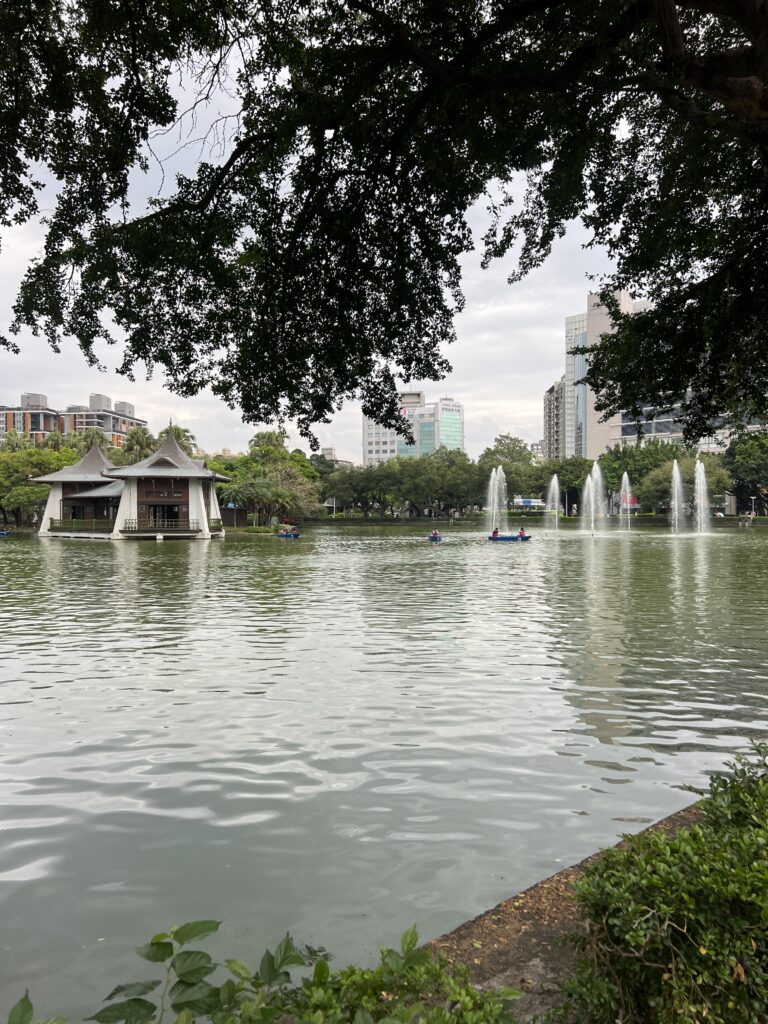
We started our journey in Taichung, and it turned out to be an excellent first stop in Taiwan. The city feels vibrant but not overwhelming and offers a great mix of local life, art, and culture. It’s especially known for its creative parks and cultural districts, where old industrial buildings have been transformed into artistic spaces, cafés, and design hubs — perfect for slow exploration.
One of Taichung’s most iconic attractions is the Rainbow Village, a small neighborhood completely covered in colorful murals. Created by a former soldier, it’s now one of the most photographed spots in the city and a symbol of Taichung’s creative spirit.
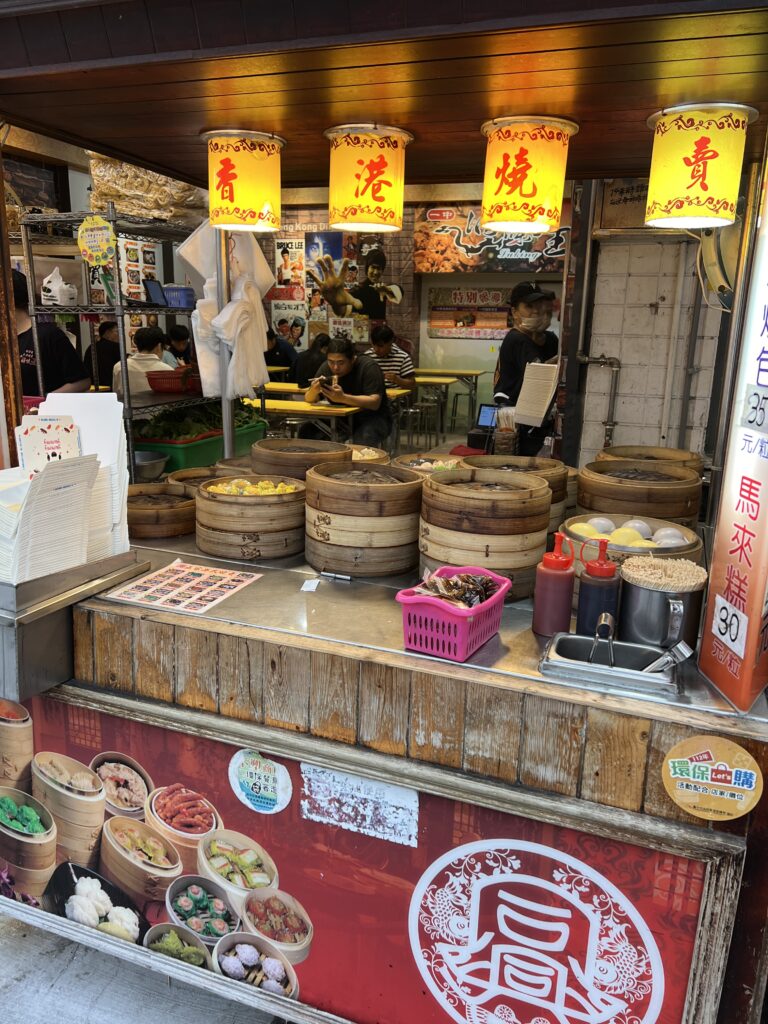
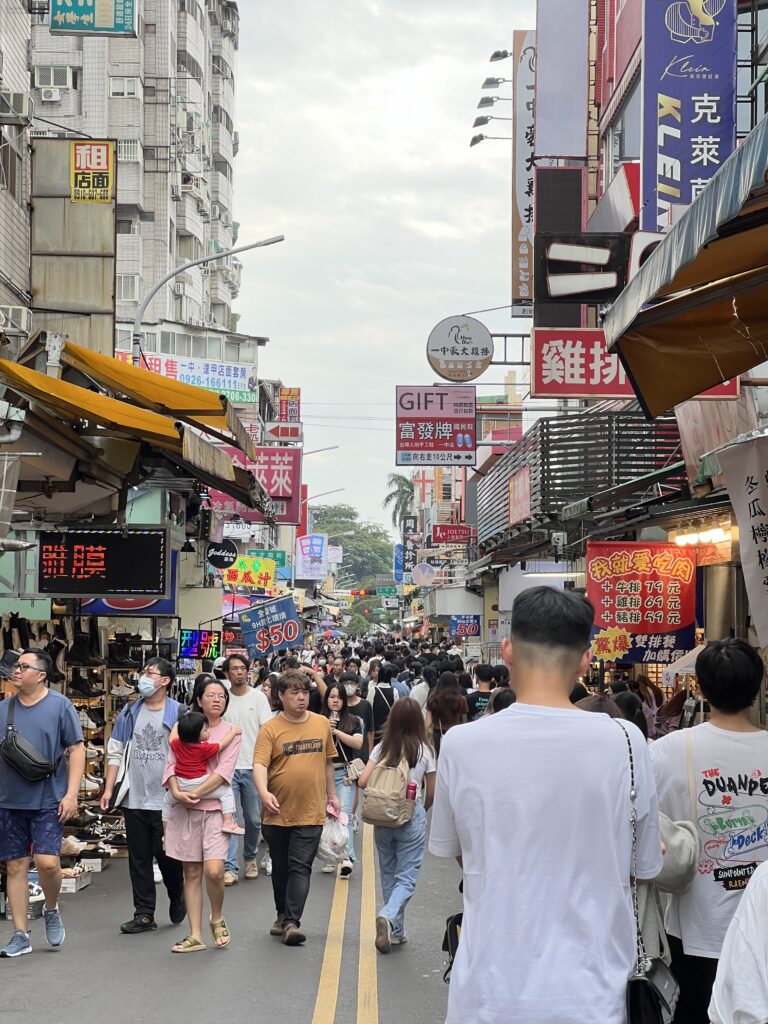
Taichung is also famous for its local markets and food scene. Exploring night markets and street stalls is one of the best ways to experience everyday Taiwanese life, from traditional snacks to full meals at very affordable prices.
Another major advantage of Taichung is its location. It works perfectly as a transport hub for southern Taiwan, making it very easy to continue your journey south by train. For many travelers, Taichung is the ideal combination of culture, food, and practical travel logistics.



Kaohsiung (2 Days): Temples, Waterfronts and Street Food Culture
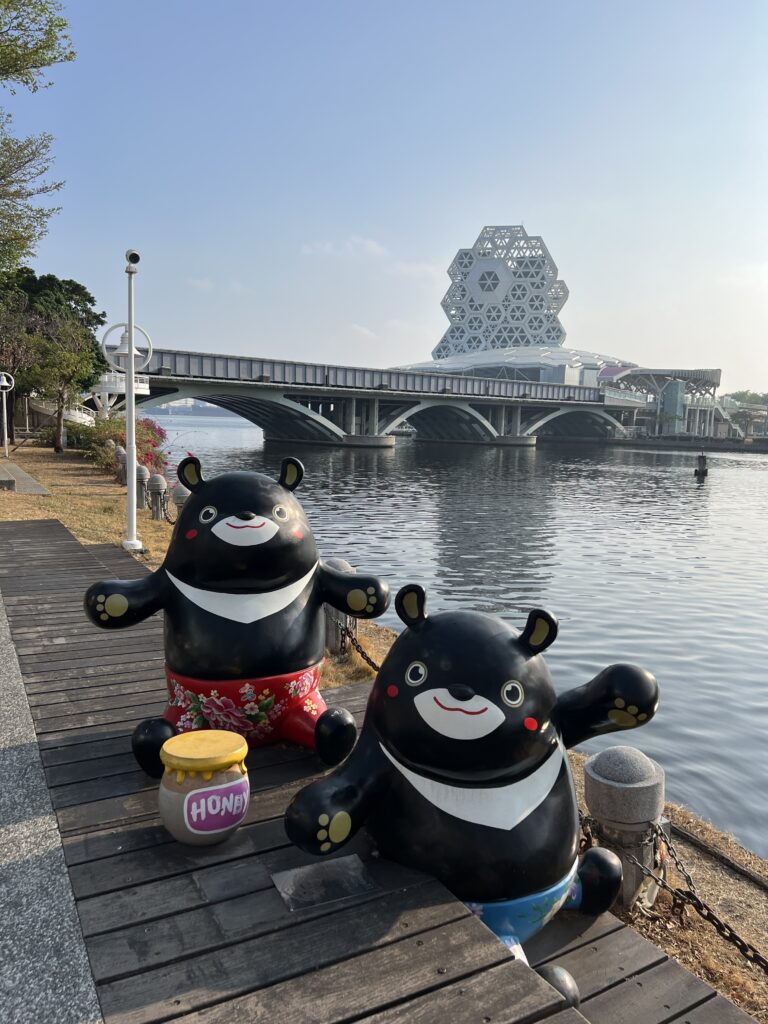
From Taichung, we travelled south to Kaohsiung, Taiwan’s main port city and a place that immediately feels more open and coastal. Kaohsiung combines modern city life with a relaxed seaside atmosphere, wide avenues, and large waterfront spaces.
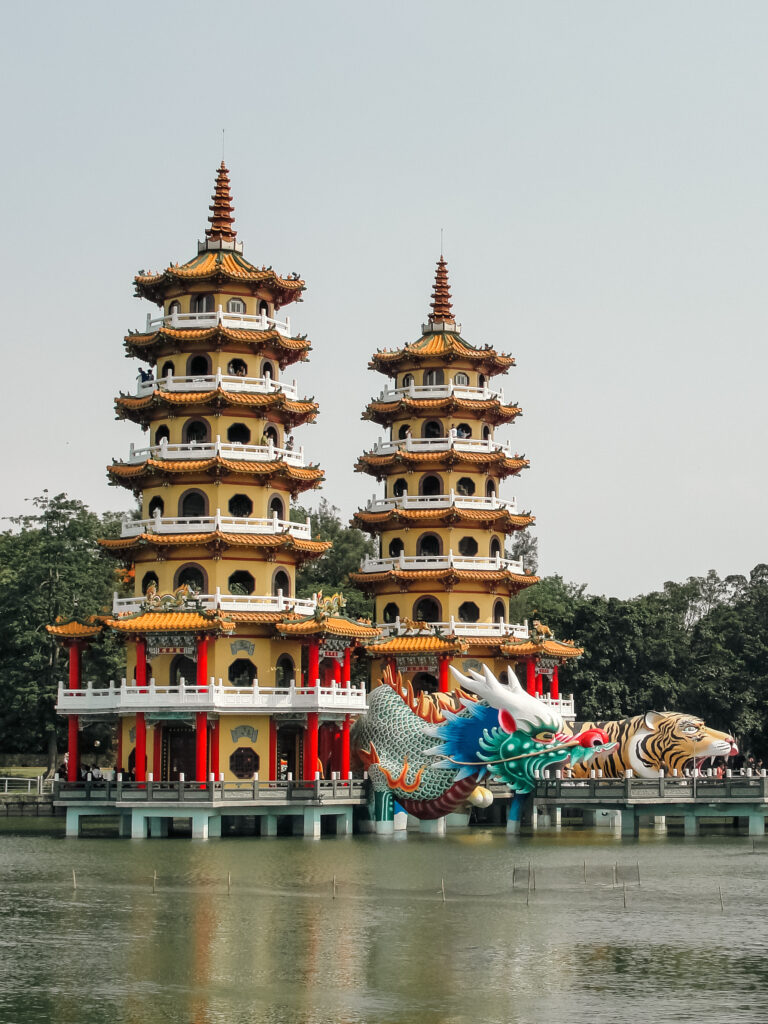
One of the city’s most important landmarks is Lotus Pond, famous for its colorful temple complex, including the Dragon and Tiger Pagodas. Walking around the lake is peaceful and offers a completely different side of the city.
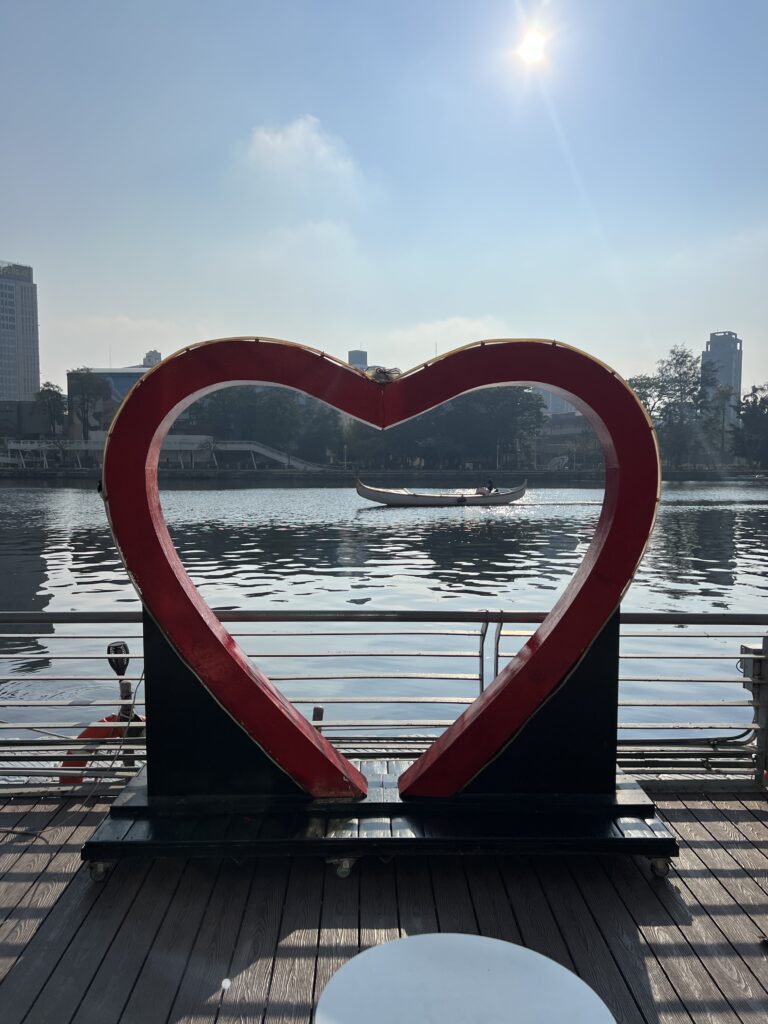
Another highlight is the Love River, which runs through Kaohsiung and becomes especially beautiful in the evening, when the lights reflect on the water and locals gather for walks along the riverbanks.
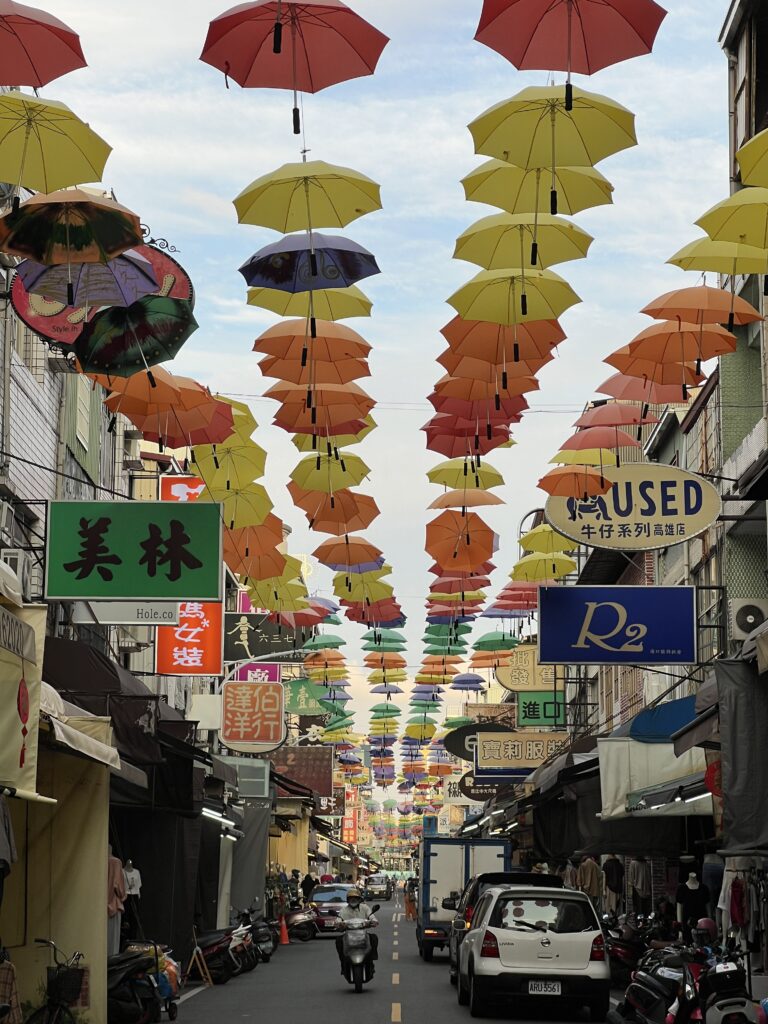
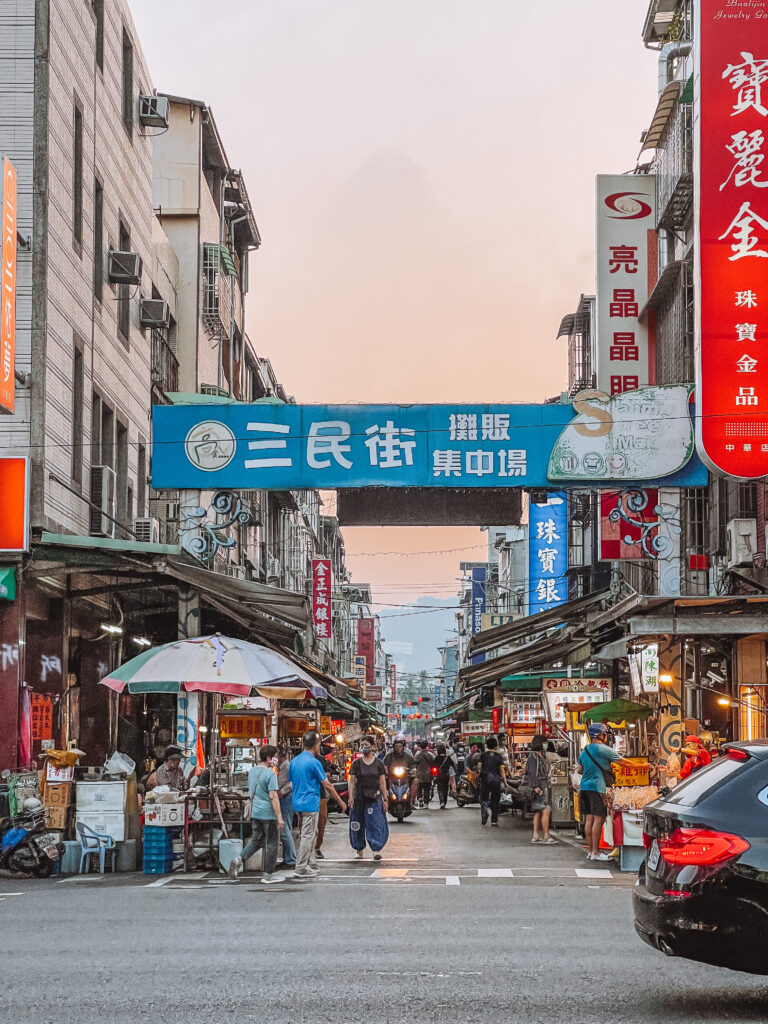
Kaohsiung is also a dream destination for food lovers. Its night markets are among the most lively in Taiwan, offering an endless variety of street food, fresh seafood, and local specialties. Eating your way through Kaohsiung is an essential part of the experience.
This city is ideal for travelers who want urban energy without the intense pace of a capital city.

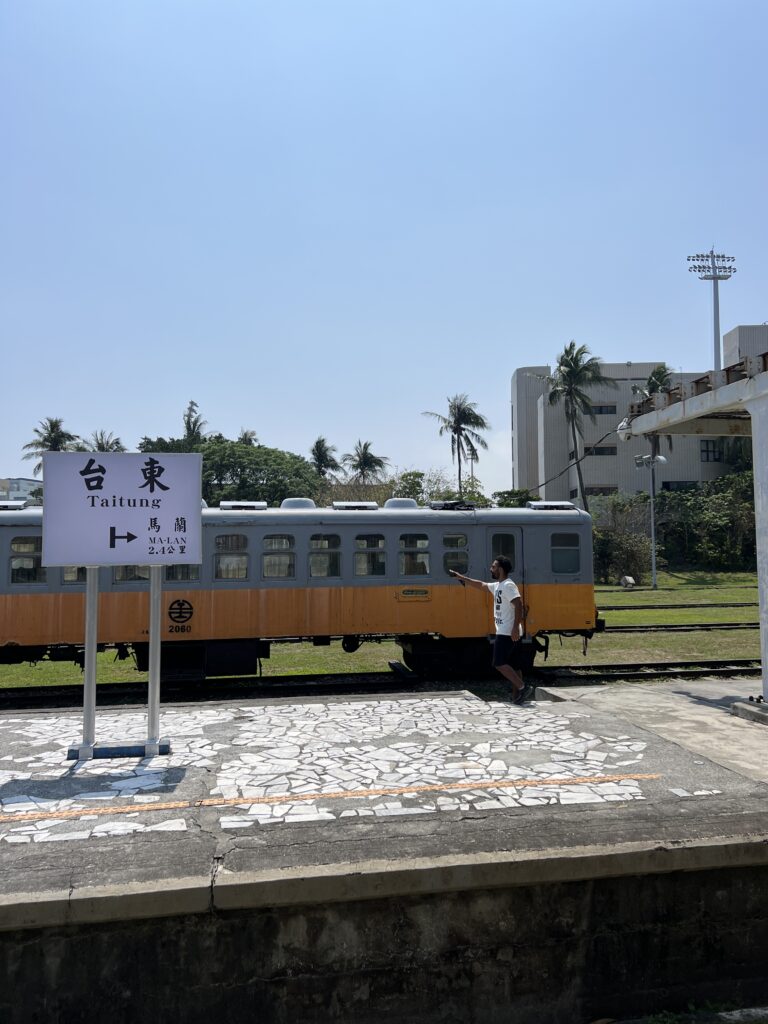
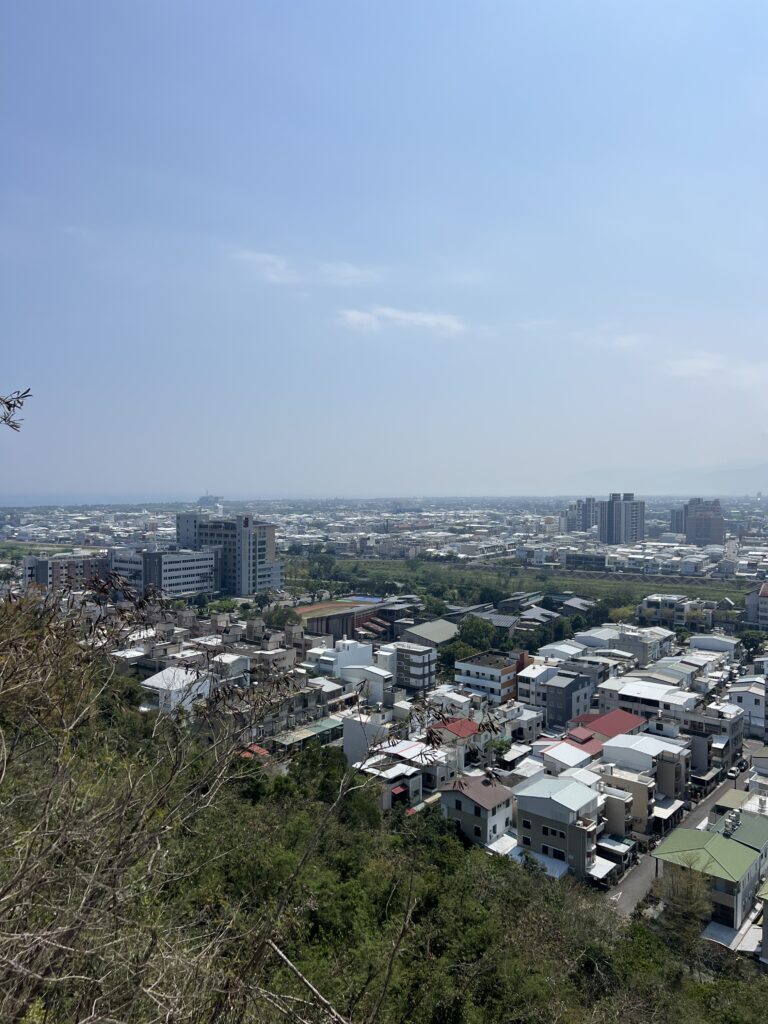
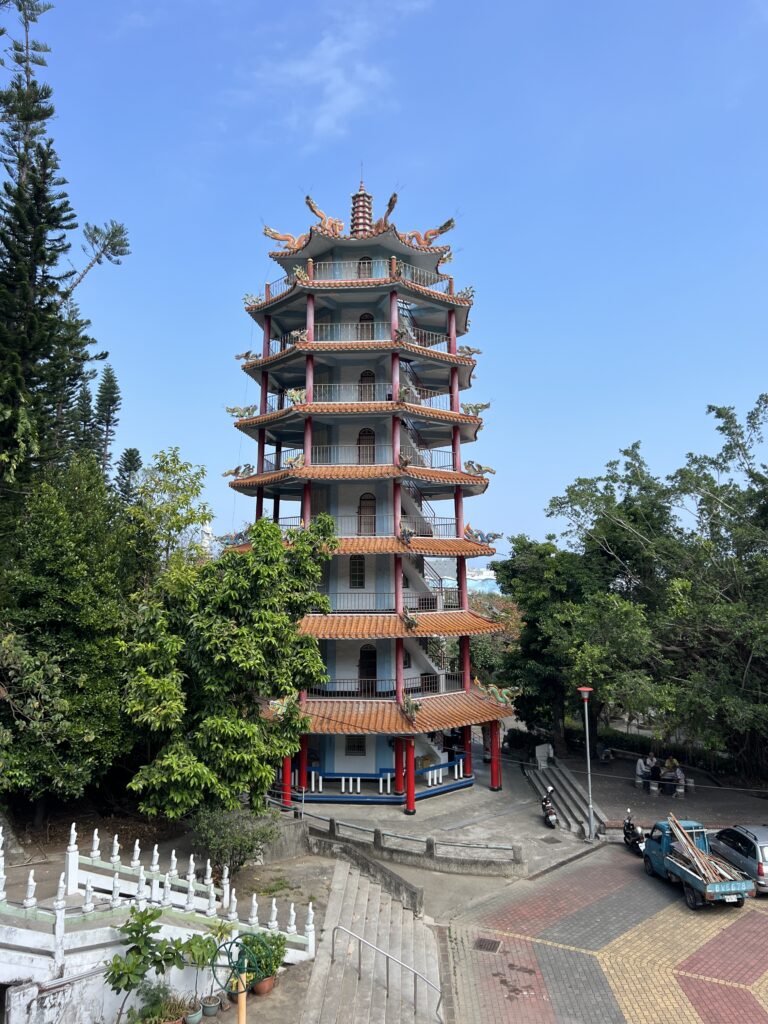
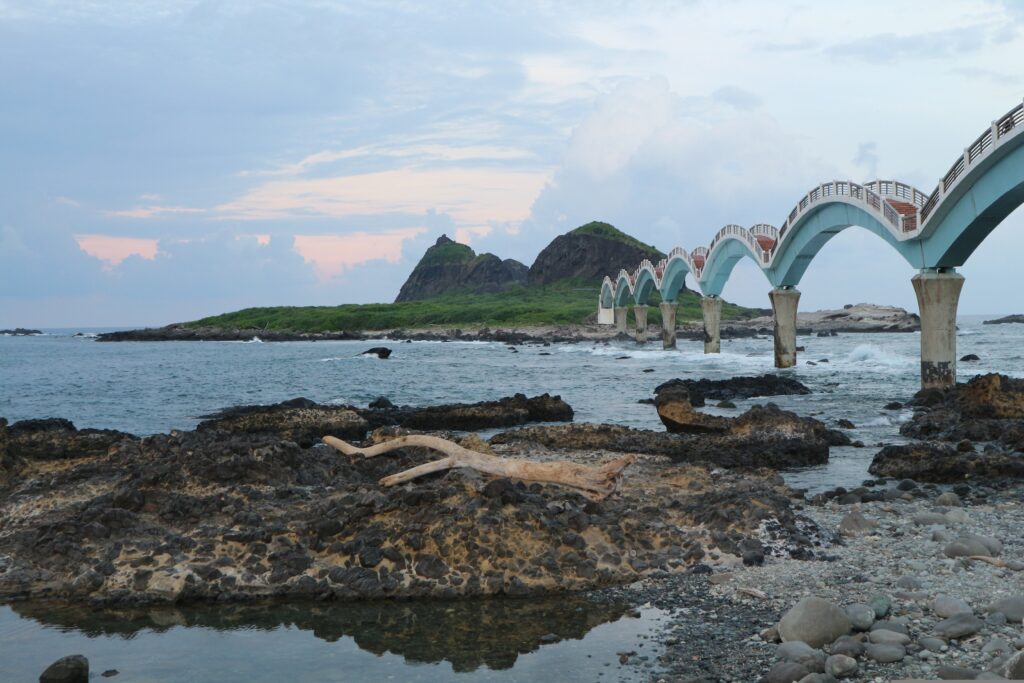
Taitung (2 Days): Nature, Coastline and Indigenous Culture
After the west coast cities, arriving in Taitung felt like entering a completely different Taiwan. This region is all about open landscapes, dramatic coastlines, and a slower way of life. Taitung is widely known for its natural beauty and strong Indigenous cultural presence, which gives the area a unique atmosphere.
Here, the ocean is always close, the sky feels wider, and life moves at a calmer rhythm. Taitung is the kind of place where you naturally slow down, enjoying coastal views, quiet towns, and simple walks in nature.
Spending two days in Taitung allowed us to rest from the faster-paced cities and experience a more authentic, natural side of Taiwan that many itineraries often skip.

Chishang (Day Trip from Taitung): Cycling Through Rice Fields and Rural Taiwan
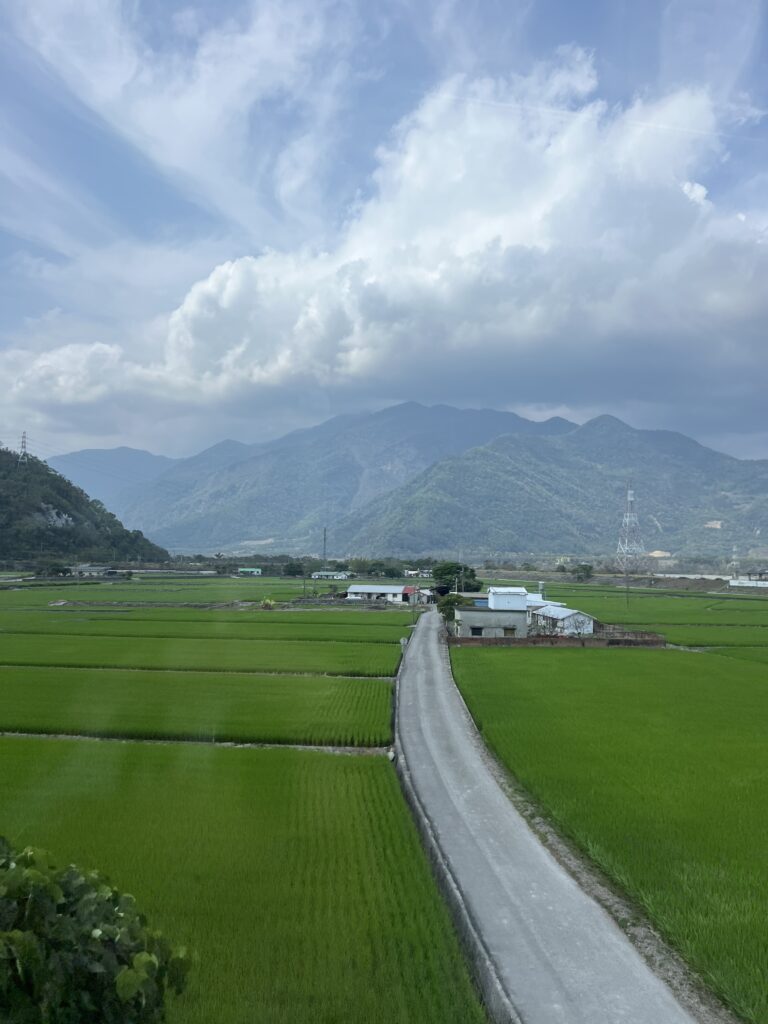
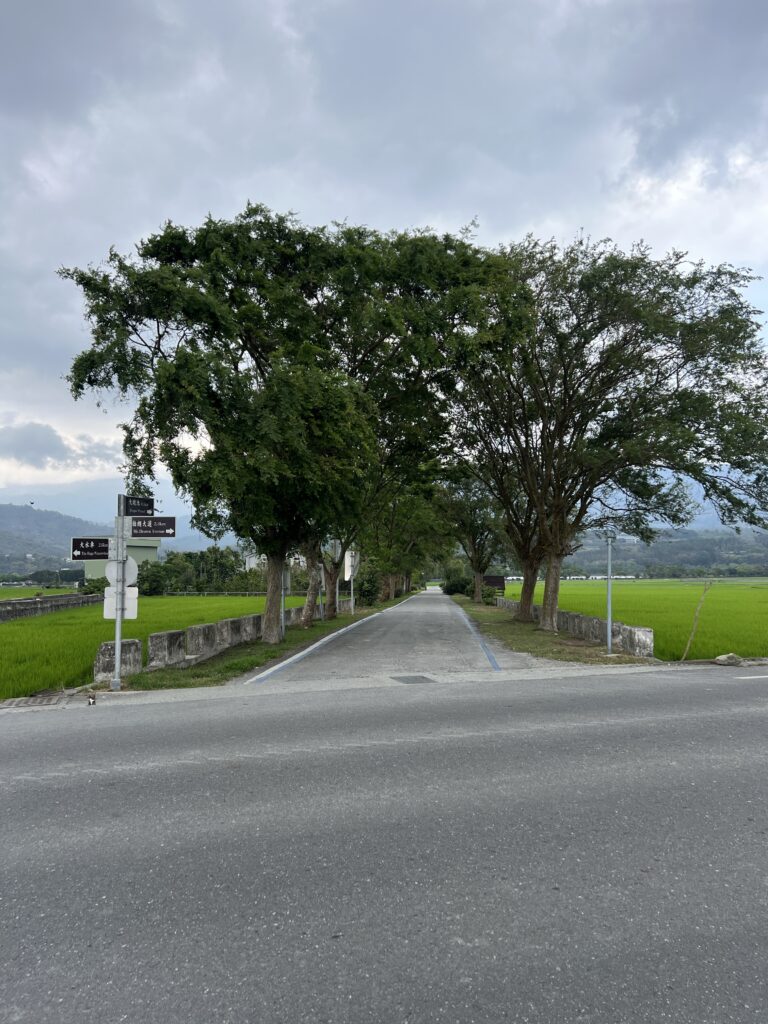
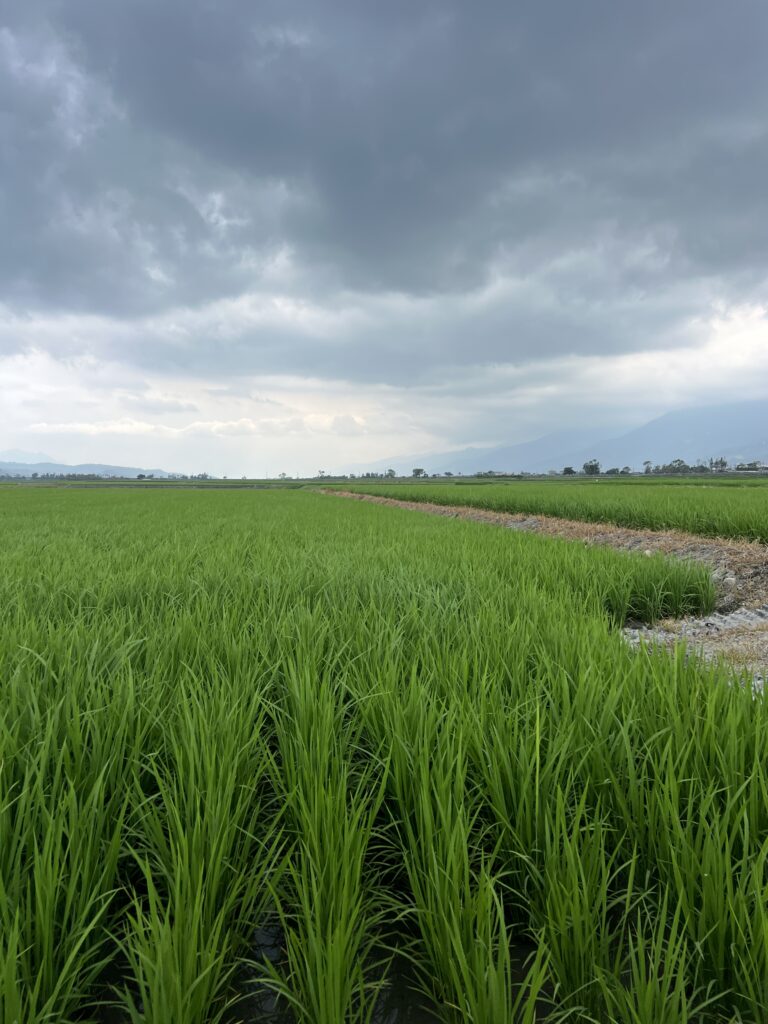
From Taitung, we took a day trip to Chishang, one of the most beautiful rural areas in Taiwan. Chishang is famous nationwide for its endless rice fields, flat countryside, and peaceful atmosphere.
The train journey to Chishang is already part of the experience, offering scenic views as you travel through eastern Taiwan. Once there, you can rent bicycles and explore the area on two wheels, cycling through farmland, irrigation canals, and small villages. The weather wasn’t on our side, as you can see in the pictures, so we just walked around and explored the area on foot. It’s such a beautiful place, and we wish the weather had been better so we could have enjoyed it even more!
We loved this day trip because it was such a refreshing break from the city. It’s one of the best places in Taiwan to soak up quiet rural life and enjoy the wide open landscapes. Everything felt slow, peaceful, and absolutely stunning to the eyes.
Ruifang, Jiufen & Shifen (2 Days): Historic Towns, Lanterns and Waterfalls
For the northern part of our itinerary, we stayed in Ruifang for two nights and used it as a quiet and practical base to explore the surrounding area. Ruifang itself is a small local town, well connected by train and far less crowded than nearby tourist hotspots.
Jiufen – A Day Trip from Ruifang
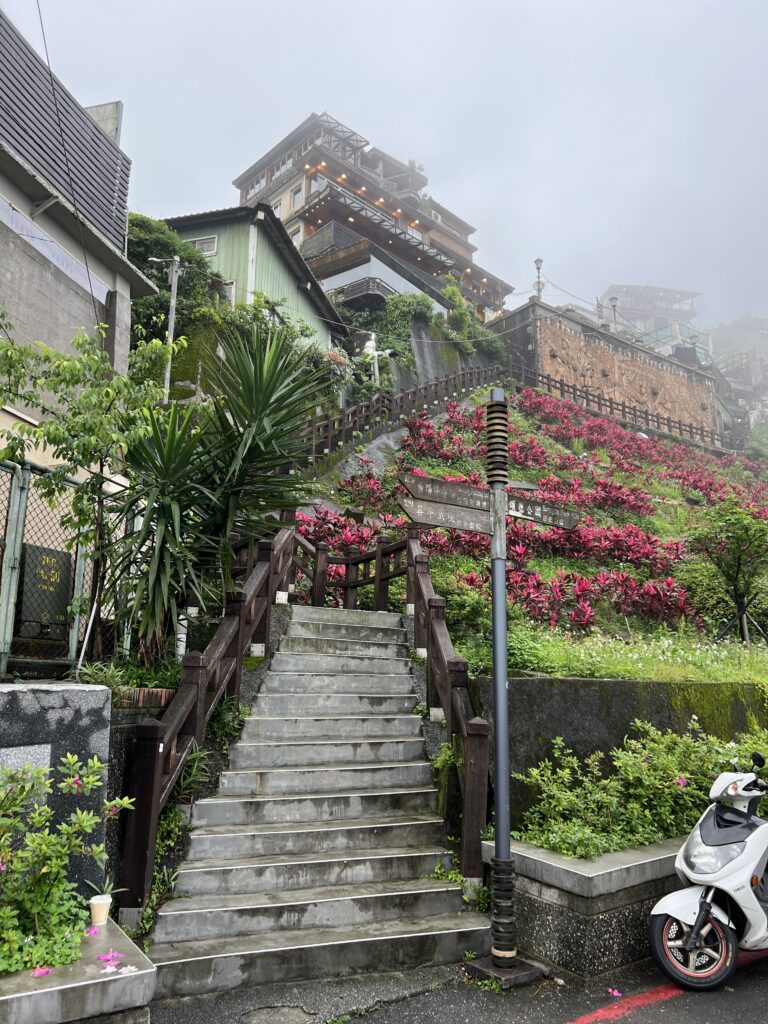
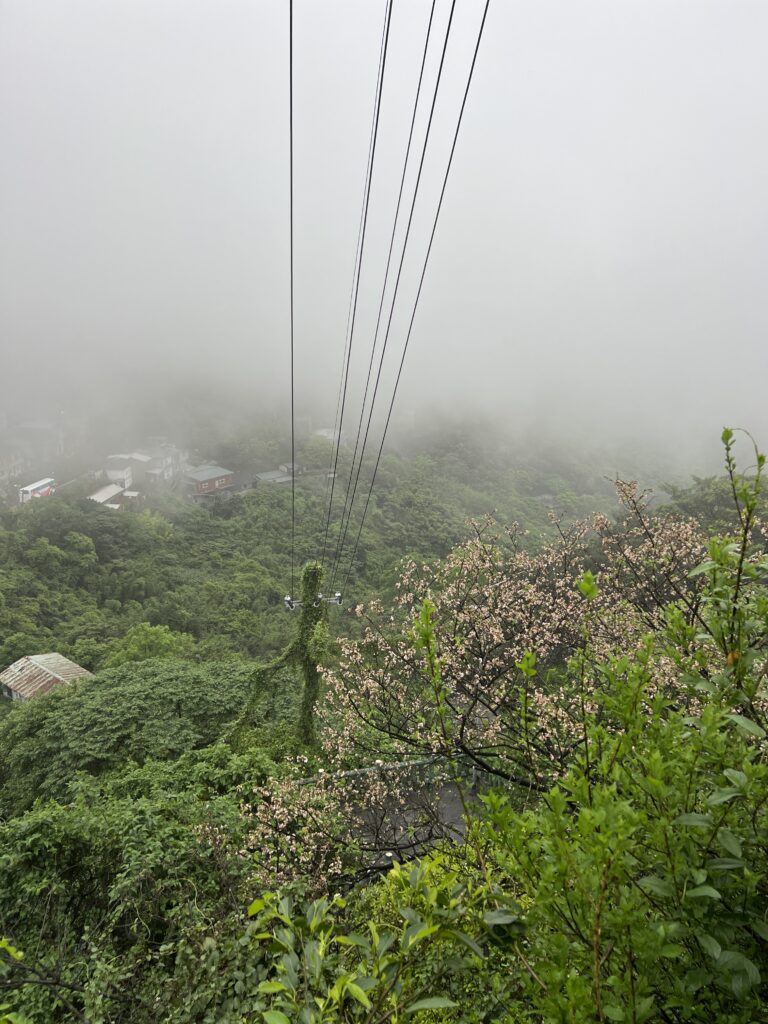
From Ruifang, we took a bus to Jiufen, which took about 25 minutes. The ride itself was already a highlight, winding through misty hills and stunning scenery that felt almost magical. Being based in Ruifang made the trip much more relaxed, without the stress of long transfers or rushing around.
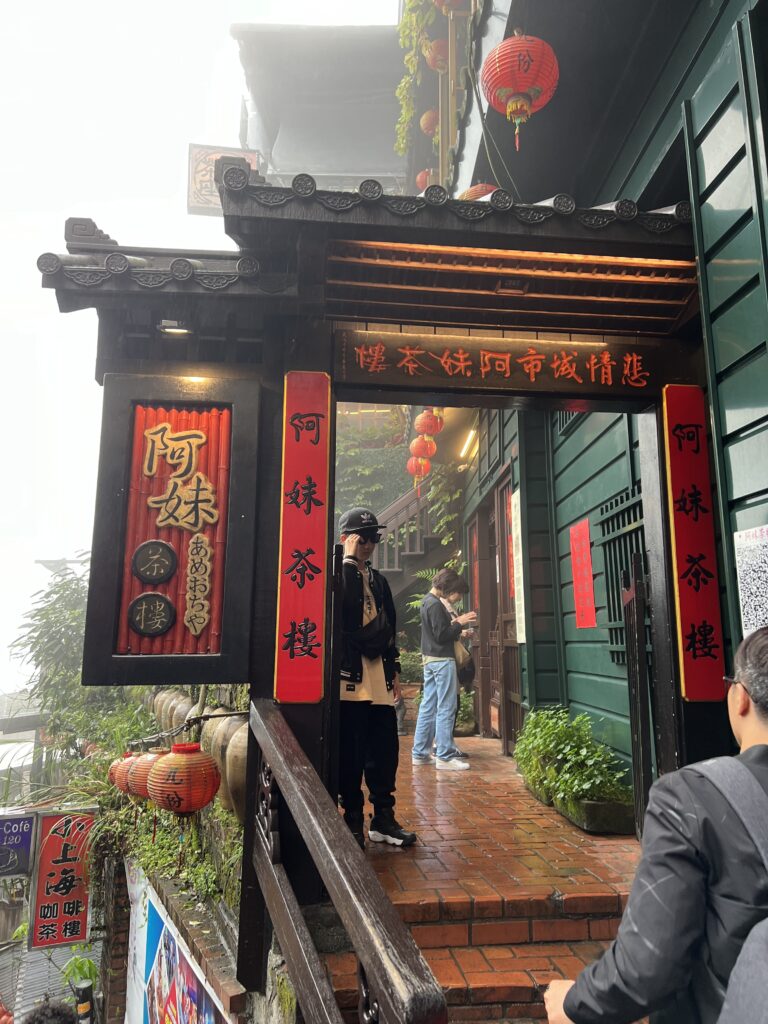
Jiufen is one of Taiwan’s most iconic and atmospheric destinations, famous for its narrow historic streets, traditional teahouses, red lanterns, and breathtaking ocean views. Built on a steep hillside, the town has a layered, almost cinematic feel, with staircases, hidden alleys, and viewpoints overlooking the sea. Exploring it felt like stepping into another world.
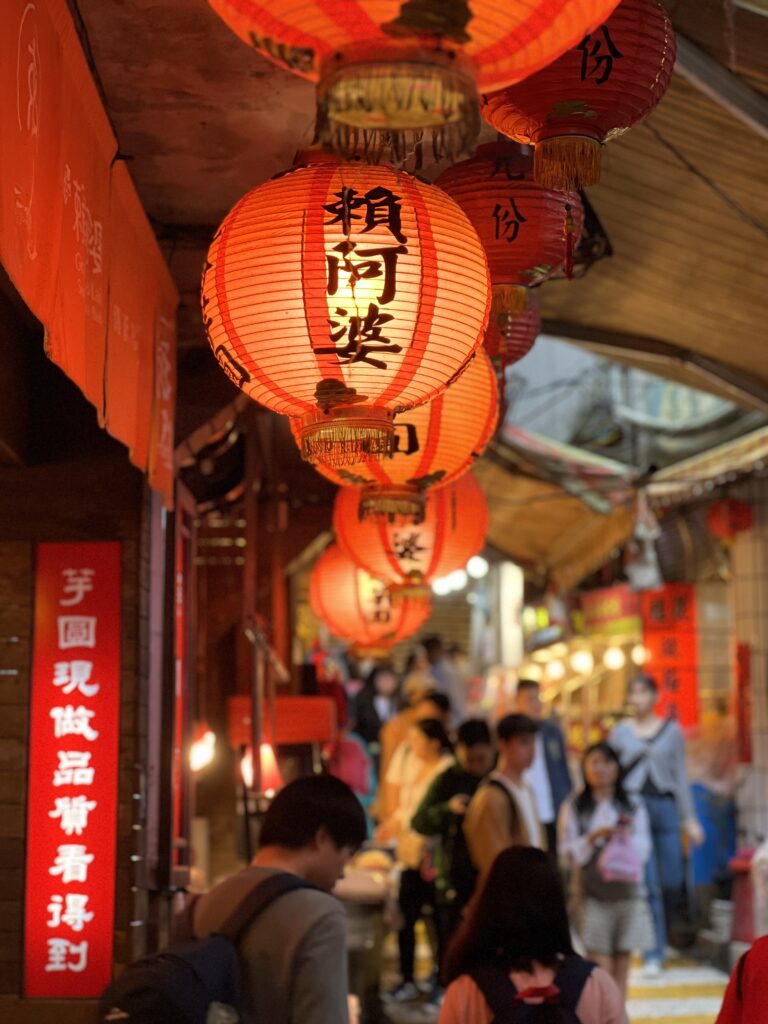
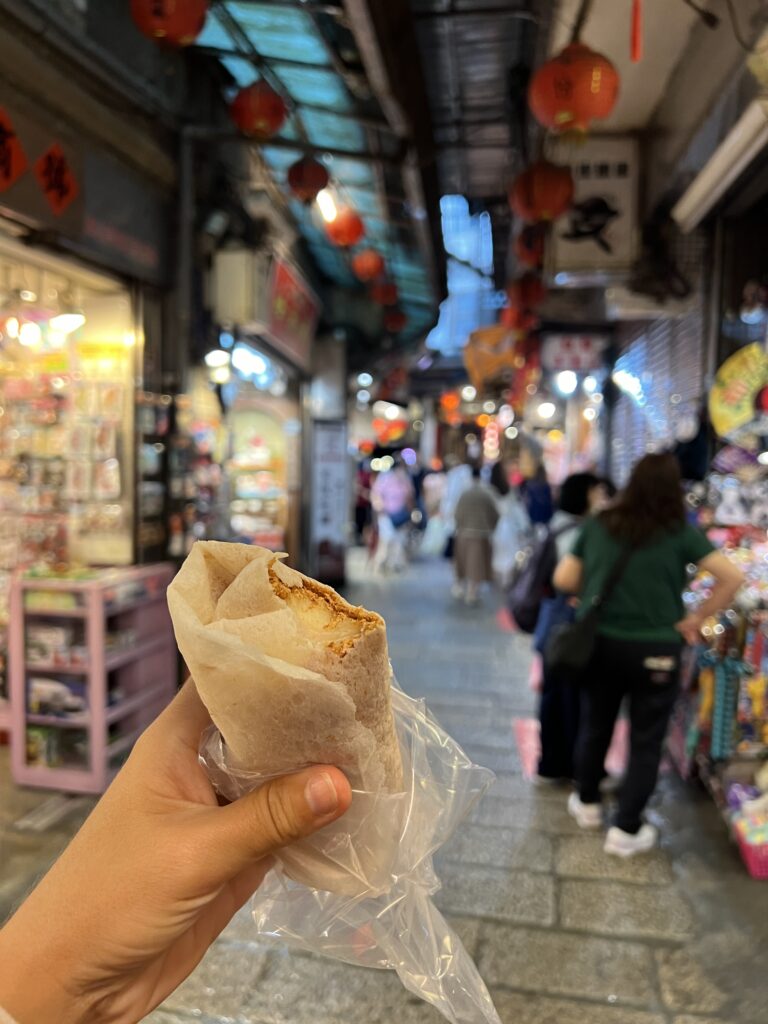
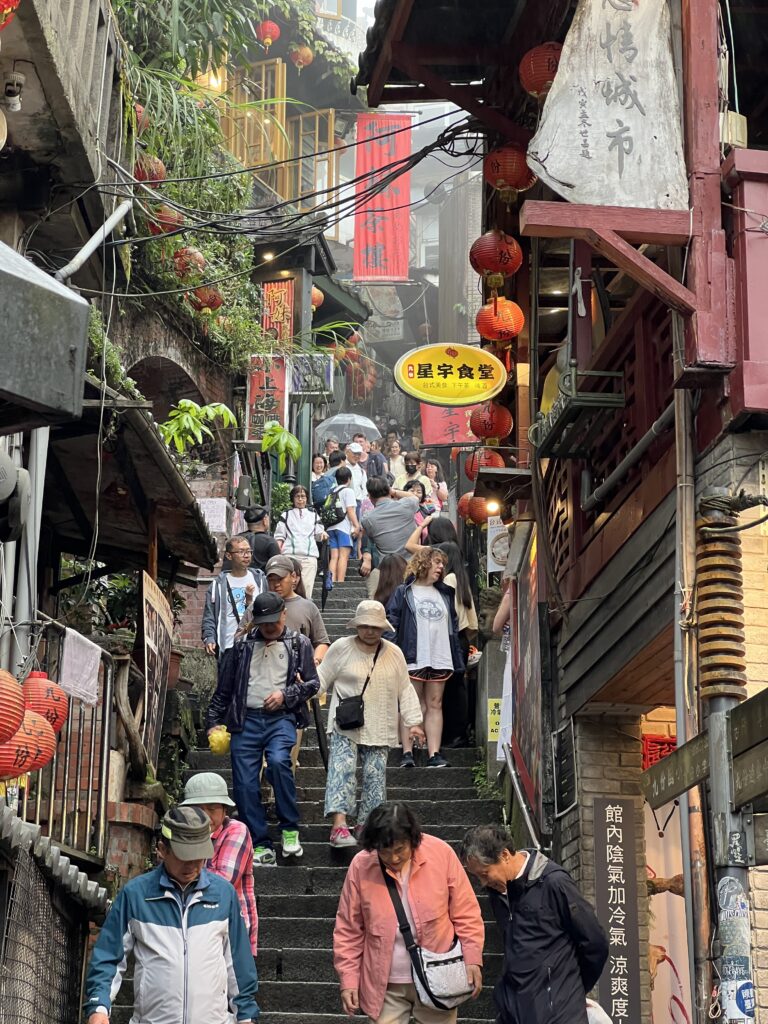
We also tried a Taiwanese classic called Peanut Ice Cream Roll, which is basically a thin crepe filled with ice cream and crushed peanuts. It’s an absolute must try and totally worth it. I actually asked for mine without cilantro because I’m not a fan, but the traditional version comes with it so you can have it however you like. It’s sweet, crunchy, and super refreshing and it made exploring even more fun.
Jiufen gets really crowded during the day, so we highly recommend going early in the morning. We went fairly early and it did make a big difference, but we still came across some people on the streets. If you want to avoid the crowds even more, going even earlier or thinking about staying overnight could be a great idea. Since most people do day trips from Taipei, the town is much quieter in the evening when most visitors leave. Wandering through the old town, stopping for some tea, and soaking in the ocean views felt so much more peaceful this way.
Shifen & Waterfall – A Nature Day Trip from Ruifang
Another excellent day trip from Ruifang is Shifen, a small town known for its old railway street and its impressive waterfall. Shifen is easy to reach by train and offers a completely different type of experience from Jiufen.
The Shifen Waterfall is the largest in Taiwan and is surrounded by greenery, walking paths, and several viewing platforms. It’s a refreshing nature escape and a beautiful place to spend a few relaxed hours.
Shifen is also famous for its railway tracks running directly through the town, where visitors traditionally release sky lanterns. This has become one of the most well-known symbolic experiences in northern Taiwan.
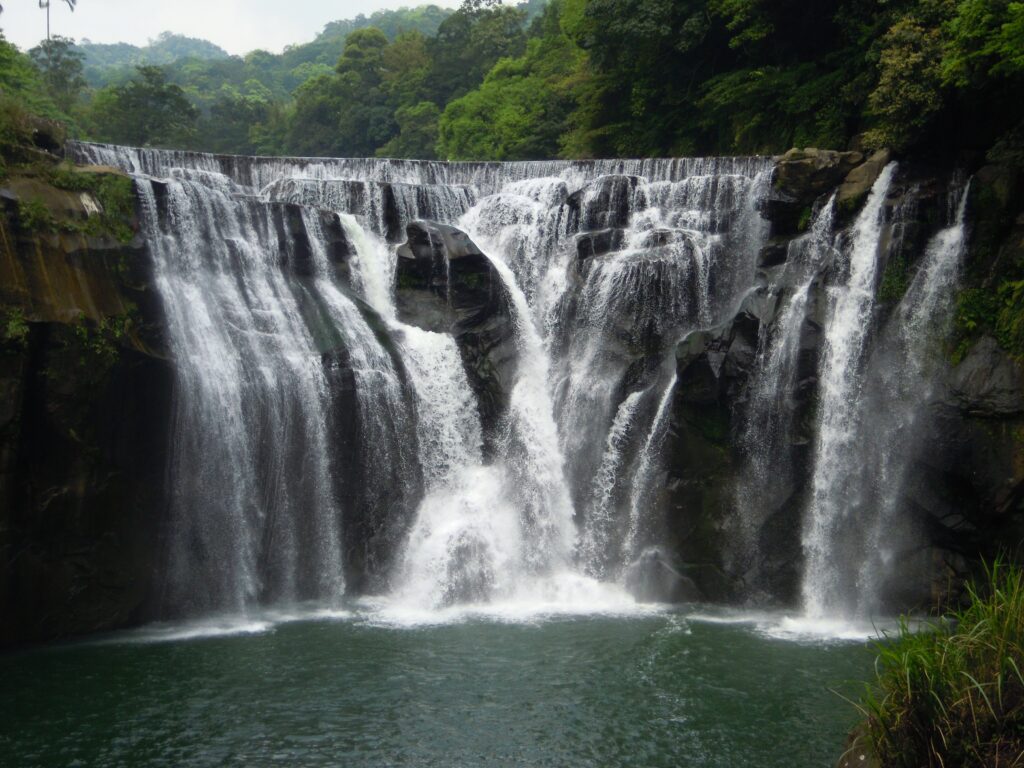

Important note: Both Jiufen and Shifen can also be visited as day trips from Taipei, which is ideal for travelers with less time. However, staying in Ruifang allows for slower mornings, fewer crowds, and a much more relaxed experience.
Taipei (3–4 Days): Food, Temples, Modern Life and Easy Nature Escapes
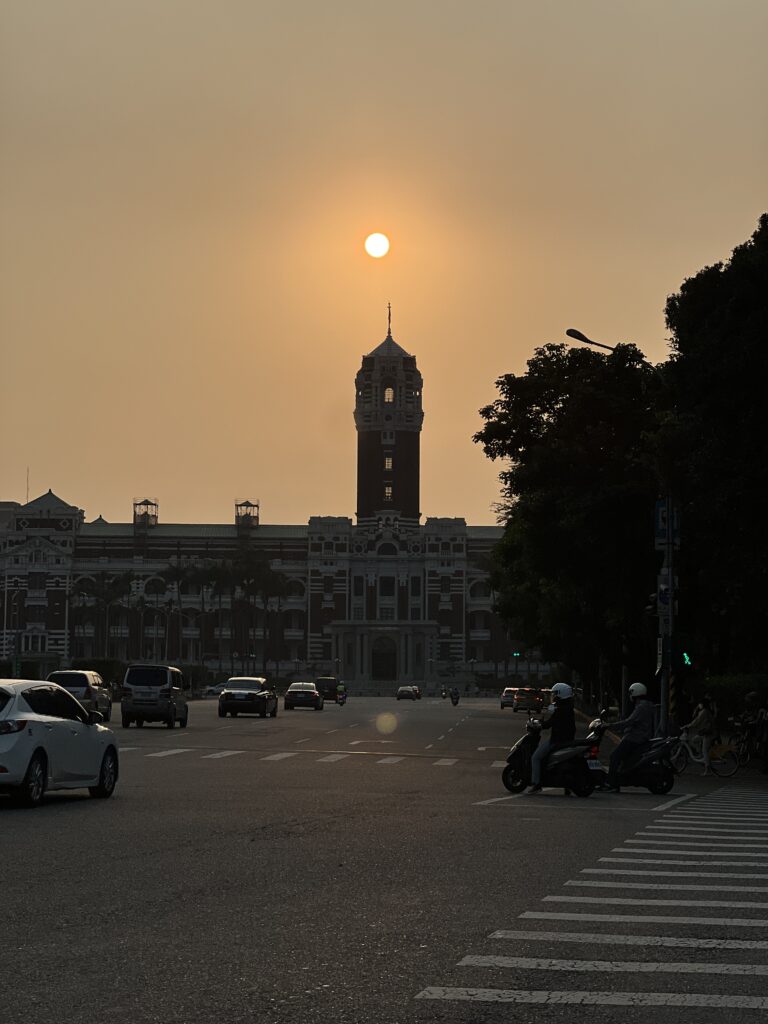
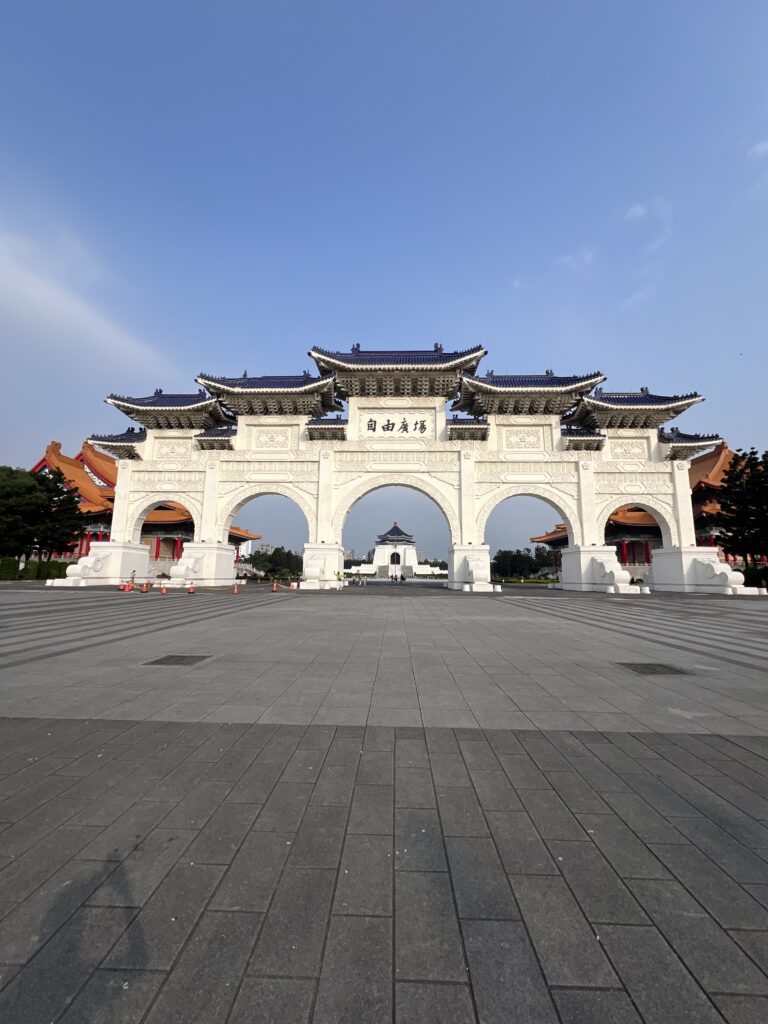
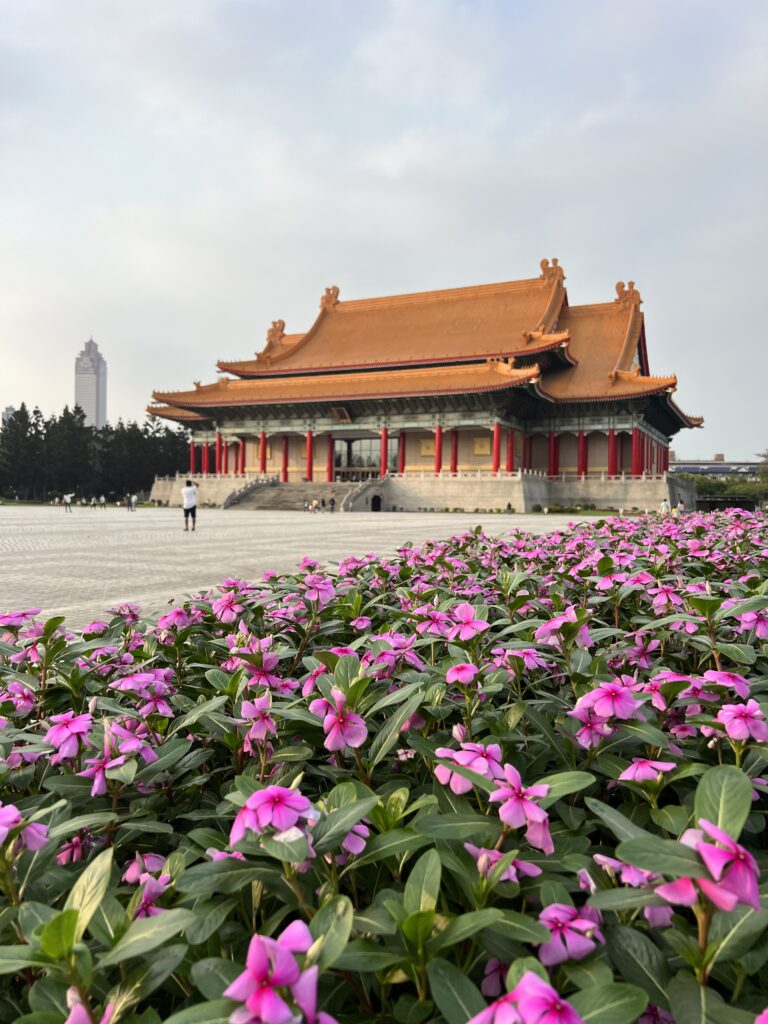
We ended our two-week journey in Taipei, the capital of Taiwan and the perfect city to bring all the contrasts of the country together. Taipei is where tradition and modern life truly meet.
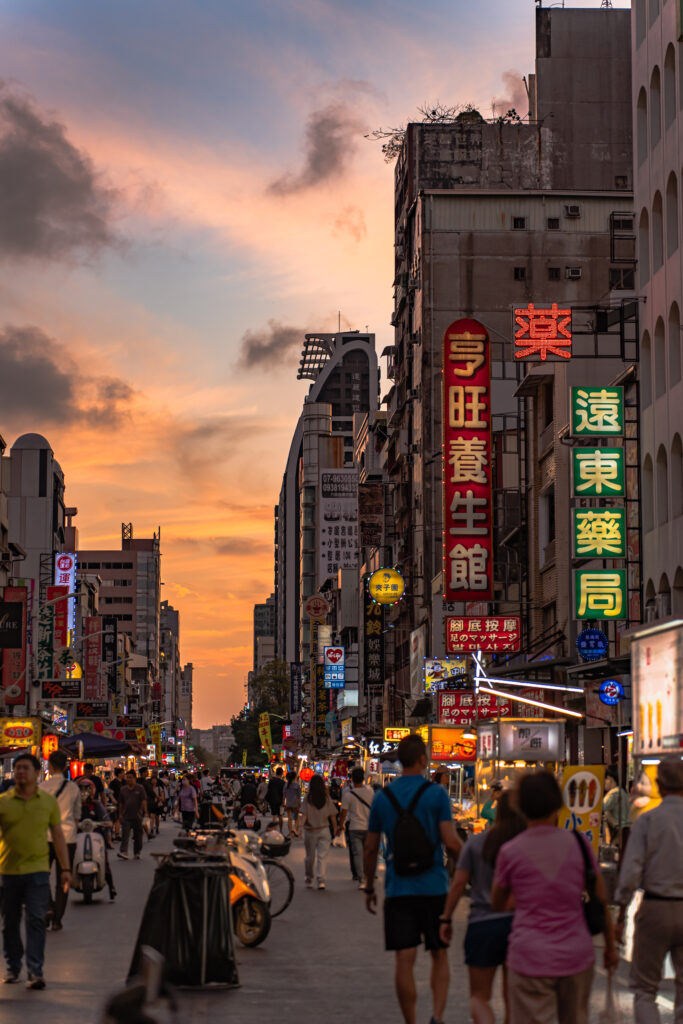
The city is world-famous for its night markets, which are an essential part of daily life in Taiwan. From dumplings and noodles to desserts and bubble tea, Taipei’s food scene alone justifies several days in the city.
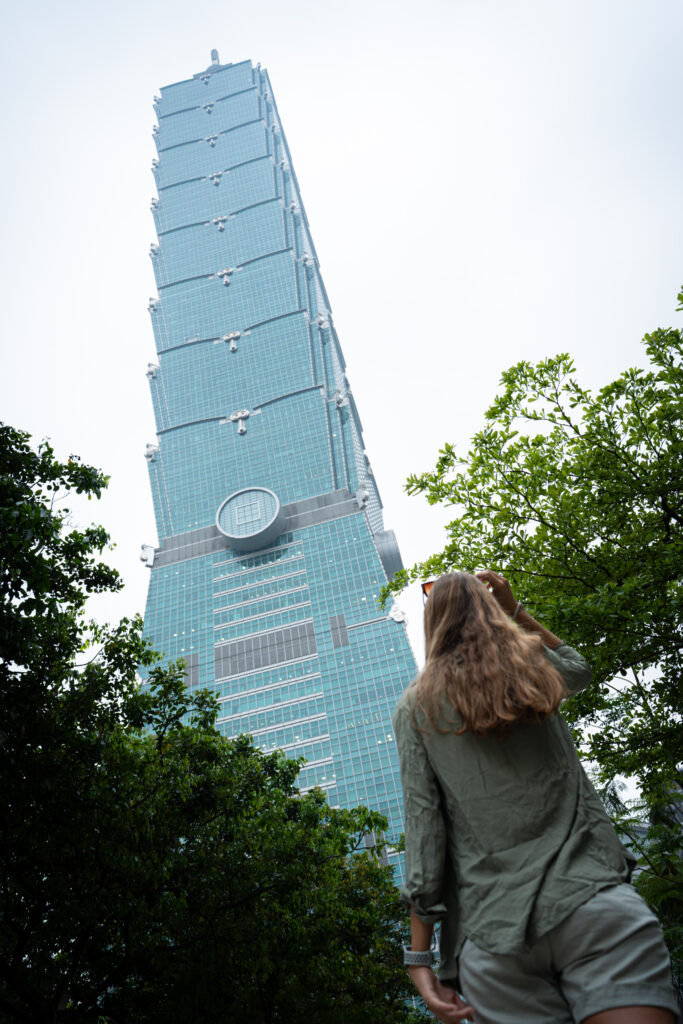
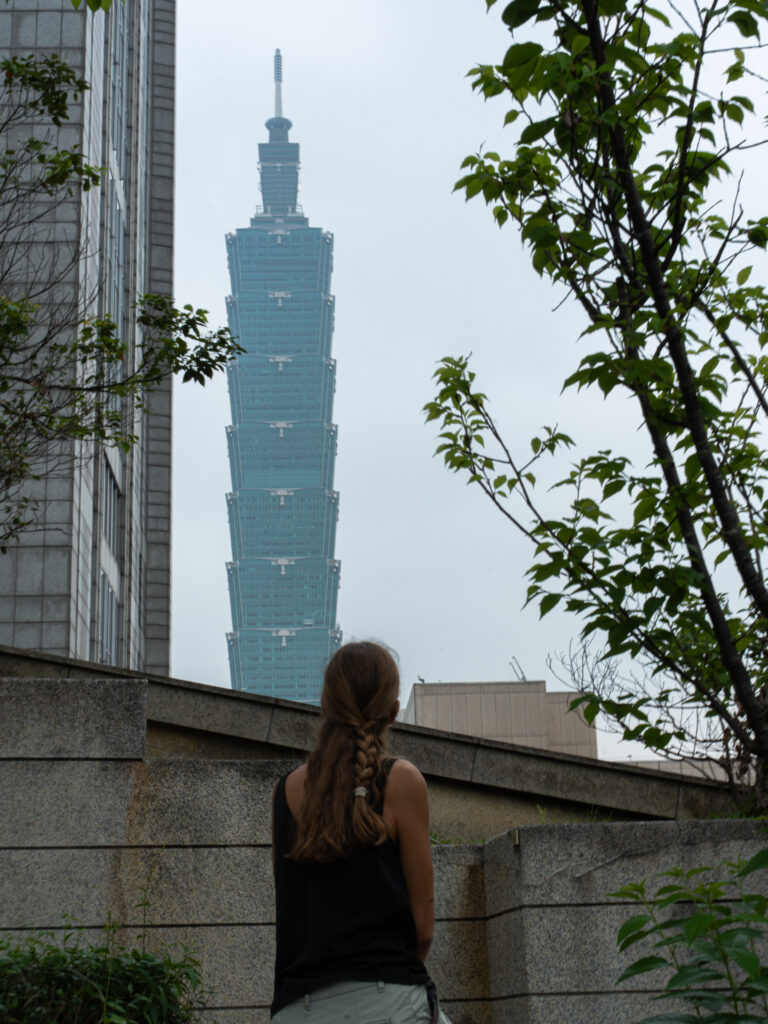
Taipei is also rich in traditional temples, offering quiet spaces of spirituality right in the middle of busy urban neighborhoods. At the same time, modern districts and landmarks like Taipei 101 give the city a futuristic skyline.
One of Taipei’s biggest strengths is how close nature is. From the city, you can easily reach mountains, hot springs, coastal towns, and hiking trails on simple day trips, making Taipei an excellent final stop for a varied itinerary.


Why We Skipped Hualien & Taroko National Park
We originally planned to include Hualien and Taroko National Park in our itinerary. However, we were in Taiwan during the 2024 earthquake, and at that time it was not safe to continue with that part of the trip. For this reason, we postponed our visit.
Current Situation in Taroko National Park (2025 Update)
Currently, Taroko National Park remains partially closed due to earthquake damage. Many hiking trails and viewpoints are still inaccessible, and some areas can only be reached by car under restricted conditions. For safety reasons, access remains limited.
If you plan to visit Taroko, always check official park and government updates before traveling.
How Much Time Do You Need in Taiwan?
Taiwan is an absolutely beautiful country, and there are so many places we would have loved to visit if we had more time, like Alishan or Moon Lake. We actually could have included them in our itinerary, but with limited days it would have been a bit stressful. Getting to Alishan and Moon Lake involves quite a lot of travel back and forth, which would have eaten up days and affected other plans, like visiting Hualien.
In the end, things don’t always go exactly as planned, and part of traveling is learning to adapt along the way. Unexpected events can happen, like natural occurrences or other surprises, and sometimes that means changing your itinerary or taking a different route. The important thing is to make the most of the time you have and enjoy wherever you end up.
- 7 days: Taipei plus one additional city
- 10 days: Add the east coast or southern Taiwan
- 14 days: Ideal to explore the island more thoroughly
- More than 2 weeks: Perfect for slow travel and discovering remote regions
Planning too much in a short period can be exhausting if you like to take things slowly and really enjoy the experience of the country. But it’s all about timing and priorities, and everyone can adjust based on their own pace. We think this itinerary works well for first-time visitors because it gives a taste of different regions and cities. For places like Alishan and Moon Lake, it makes more sense to dedicate extra time to fully enjoy the parks and scenery, but of course that’s just our opinion.
After sharing our experiences, we wanted to leave you with a few practical tips to make the most of your trip to Taiwan.
What to Pack
- Comfortable walking shoes – you’ll be doing a lot of exploring
- Light rain jacket – the weather can be unpredictable
- Modest clothing for temples – to show respect
- Reusable water bottle – stay hydrated while on the go
- Power adapter – for all your devices
Common Travel Mistakes to Avoid
- Only staying in Taipei – there’s so much more beyond the capital
- Underestimating travel distances – Taiwan may look small, but getting around takes time
- Not carrying enough cash – some places don’t accept cards
- Skipping rural areas – some of the most beautiful spots are off the beaten path
- Overplanning every single day – leave room to breathe and enjoy
Final Tips for Your Trip
- Try to combine cities and countryside – it gives a full picture of Taiwan
- Keep your itinerary flexible – things rarely go exactly as planned
- Always check weather and safety updates – especially for mountainous areas
- Use public transport whenever possible – it’s convenient and easy
- Travel slow – really soak in the culture, scenery, and local vibes
All in all, Taiwan is an incredible country with so much to offer. From our experience, taking your time, staying flexible, and enjoying the journey is the best way to explore. Even if not everything goes according to plan, there’s always something amazing around the corner. So go at your own pace, embrace the unexpected, and let yourself be surprised by this beautiful island!