
Tokyo is intense, in the best possible way. It’s loud and quiet, futuristic and deeply traditional, overwhelming at first and incredibly addictive once you find your rhythm. This guide is based on our own experience in the city and covers everything you need to know before visiting Tokyo, from how many days to stay to how to get around, plus honest tips we wish we had known earlier.
How Many Days in Tokyo?
Tokyo is huge but not only in size, mentally, physically, emotionally. We stayed four days, and even then, it felt like there was still so much left unseen.
Those days were intense. On one of them we took a day trip to Mount Fuji, which was absolutely worth it though it added to the feeling of constantly being on the move. The rest of our time we spent exploring different neighborhoods, wandering streets and alleys without a strict plan. It did not take long to realize that 20,000 steps a day in Tokyo is not an exaggeration and it is just how the city naturally moves you from one discovery to the next.
For a first visit, 4 to 5 days is ideal. It gives you enough time to explore different areas without turning your trip into a constant rush. Three days is possible, but expect long days and tough choices.
How to get to Tokyo
Getting to Tokyo depends a lot on your budget and how far in advance you plan, and planning ahead really matters in Japan.
From Tokyo Airports
Tokyo is served by two major international airports Narita (NRT) and Haneda (HND), both offer convenient rail options into the city.
Narita Airport is farther from central Tokyo, but trains make the journey smooth:
- Narita Express (N’EX): A comfortable limited-express train that takes you directly from Narita Airport to major Tokyo hubs like Tokyo Station, Shinjuku, Shibuya, and more in about 60 minutes.
- Keisei Skyliner: A fast alternative that gets you to Ueno or Nippori Station (where you can transfer to the JR Yamanote Line) in around 36–45 minutes. It’s one of the quickest ways from Narita to central Tokyo.
Haneda Airport is much closer to central Tokyo, making your transfer quicker and cheaper:
- Tokyo Monorail: Runs from Haneda to Hamamatsucho Station in about 18 minutes, where you can transfer to the JR Yamanote Line to reach key areas like Tokyo Station, Shibuya, and Shinjuku.
- Keikyu Line: Goes from Haneda to Shinagawa Station in roughly 15–20 minutes, where you can transfer to the JR Yamanote Line too.
Both options are fast, reliable, and easy to navigate even if this is your first time in Japan.
If you’re already in Japan
If you’re coming from Kyoto or Osaka, the fastest option is the Shinkansen (bullet train), which takes around 2 to 3 hours. It’s comfortable, efficient, and iconic. However, tickets can be expensive, and even bullet trains sell out easily, especially during busy seasons. We strongly recommended booking it in advance.
We didn’t use the JR Pass, as we were traveling on a more low-budget approach. Instead, we went from Kyoto to Tokyo by bus. It’s a much longer journey, around 8 hours during the day, but more affordable.
Night buses are a good alternative for budget travelers who don’t mind sleeping while on the move and want to save on accommodation.
We booked our bus about one month in advance, online, and even then, availability was already limited. So if you’re considering buses, don’t leave it to the last minute.
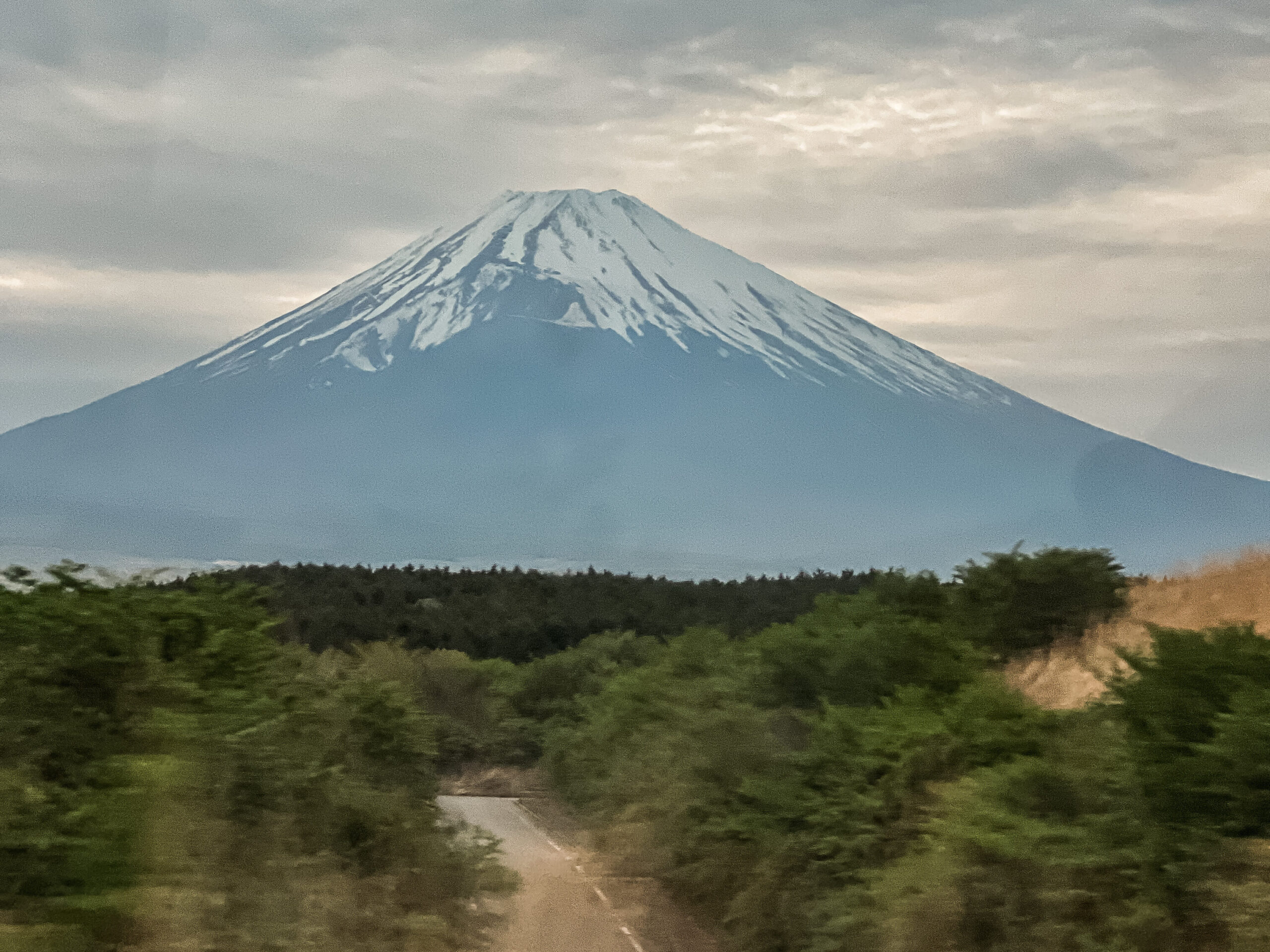
One unexpected highlight of that long bus ride was seeing Mount Fuji from the window. Anyone who’s traveled in Japan knows how rare it is to actually spot it without clouds completely hiding it. Seeing it so clearly, without planning for it, felt incredibly special. Later on, we also did a proper day trip to Mount Fuji, which we’ll share in a separate post.
Getting around Tokyo
Tokyo’s transport system looks intimidating at first, but once you get used to it, it works incredibly well.
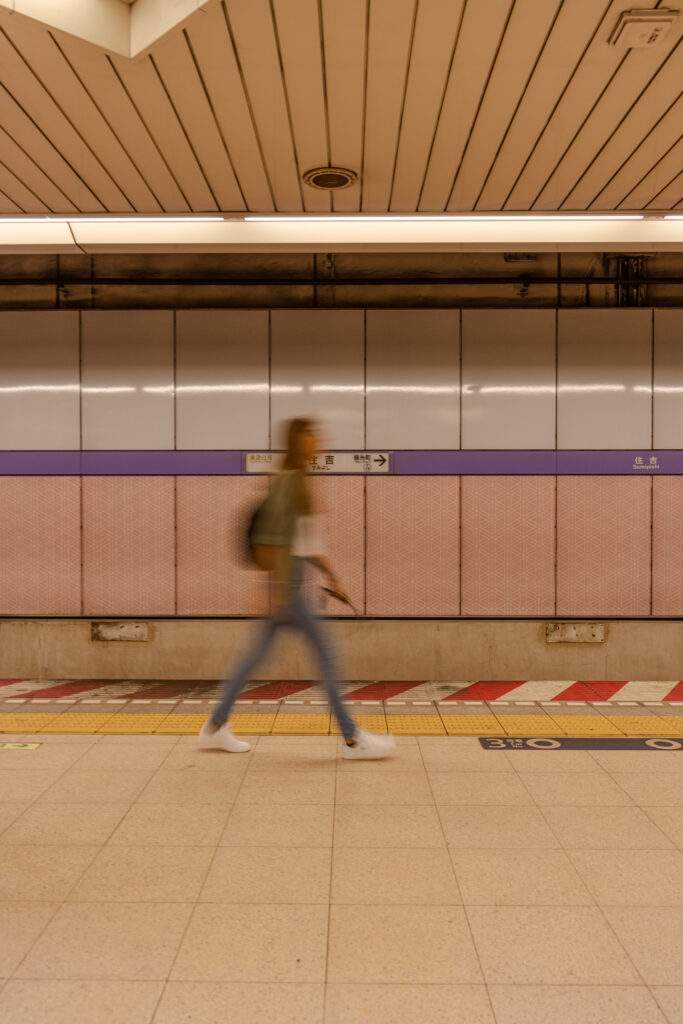
One thing that made our lives much easier was the Tokyo Subway 72-hour Ticket, which costs 1,500 yen per person. It gives access to almost all subway lines within central Tokyo and is perfect if you plan to move around a lot, which you probably will.
We combined that pass with a Suica or Pasmo card for any lines not included. Google Maps was essential and extremely reliable, even in massive stations that feel like underground cities.
That said, no matter how well you plan, you will walk. A lot. Tokyo involves long corridors, stairs, exits that never seem to end, and neighborhoods best explored on foot. Comfortable shoes are not optional.
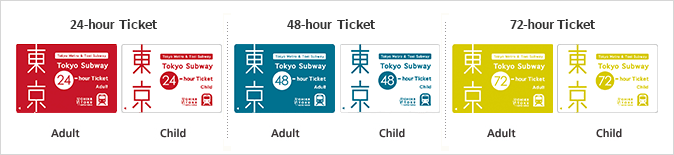
*Image from the official website, check here for more information.
Where to stay on Tokyo
Tokyo doesn’t have a single center, which makes choosing where to stay both flexible and confusing. Areas like Shinjuku, Shibuya, Asakusa, and Ginza are popular for a reason, they’re well connected and convenient.
We didn’t manage to book accommodation in a central area, mainly because we booked too late. While our place itself was fine, being far from the main areas meant spending a lot of time commuting every day. When you’re already walking all day, those extra journeys really add up.
If there’s one thing we would do differently, it’s this: book accommodation early. You’ll have more choice, better prices, and, most importantly, you’ll save time and energy by staying closer to where you actually want to be.
When to visit Tokyo
Tokyo changes dramatically with the seasons. Spring and autumn are the most popular times to visit, thanks to cherry blossoms and autumn leaves, but they’re also the busiest and most expensive.
We visited in spring, and the weather was just perfect, not too hot, not too cold. We even got a bit of rain, which made wandering around the city feel cozy, but we still caught the cherry blossoms, even if it was toward the end of the season. It was ideal for walking long distances without getting exhausted, and the temperatures were very comfortable.
Summer in Tokyo can be very hot and humid, which makes long days of walking more challenging. Winter can be surprisingly cold, but it’s also worth considering if you want lower prices, fewer crowds, and a more relaxed pace.
No matter when you go, the city feels alive. There’s always movement, light, sound, and people everywhere. Each season brings its own atmosphere, and Tokyo adapts effortlessly to all of them.
Exploring Tokyo Neighborhoods
Tokyo is huge. Administratively, it’s made up of 23 special wards, known as ku, which work almost like individual cities within the metropolis. Inside them, there are dozens, sometimes hundreds, of neighborhoods, each with its own rhythm, personality, and atmosphere.
With only a few days in the city, it’s simply not realistic to see everything Tokyo has to offer. During our stay, we focused on some of the most well-known and accessible areas, including Shinjuku, Shibuya, Harajuku, Asakusa, Ginza, Akihabara, Ueno, and the Tokyo Tower and Minato area.
To make the most of our time, we grouped the itinerary by neighborhoods and nearby attractions. The idea was simple: explore places that are close to each other and can be comfortably done in a morning, an afternoon, or a full day. This helped us avoid wasting time going back and forth across the city and allowed us to actually enjoy walking, exploring, and discovering Tokyo at a more relaxed pace.
Shinjuku
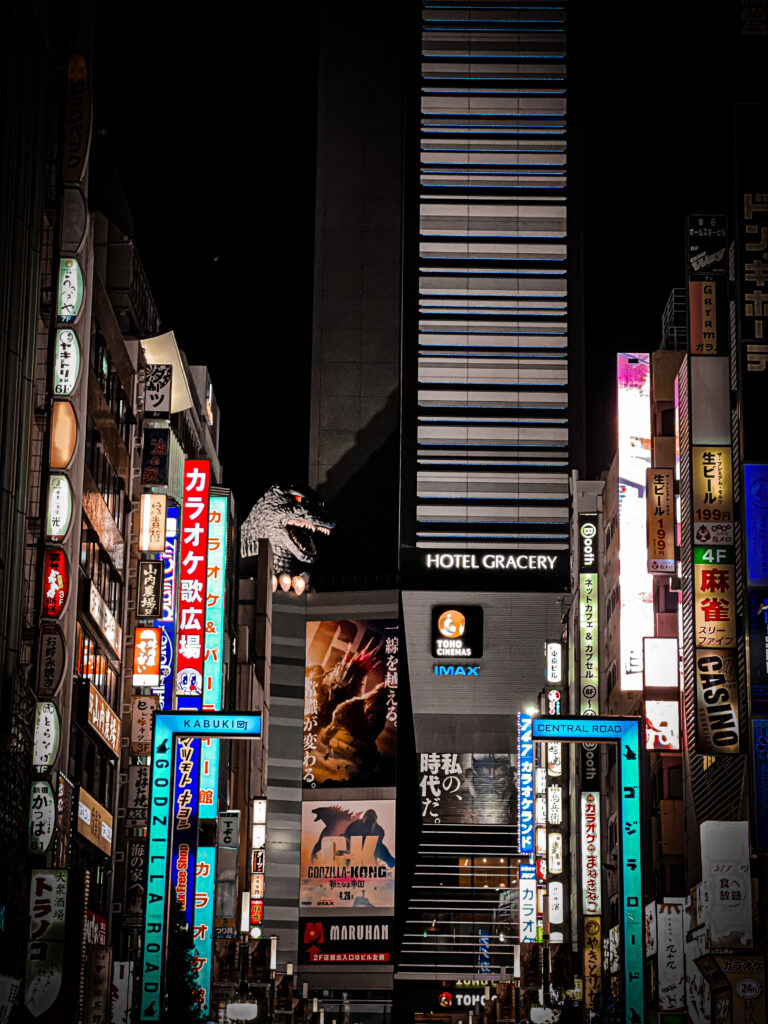
Shinjuku hits you immediately with chaos: neon lights, crowds, and streets that never seem to end. At night, Kabukicho feels like a maze of tiny bars, karaoke spots, and glowing signs. Just outside Shinjuku Station, the 3D Cat Billboard pops up unexpectedly, a quick, fun stop that’s easy to miss if you’re not looking up.
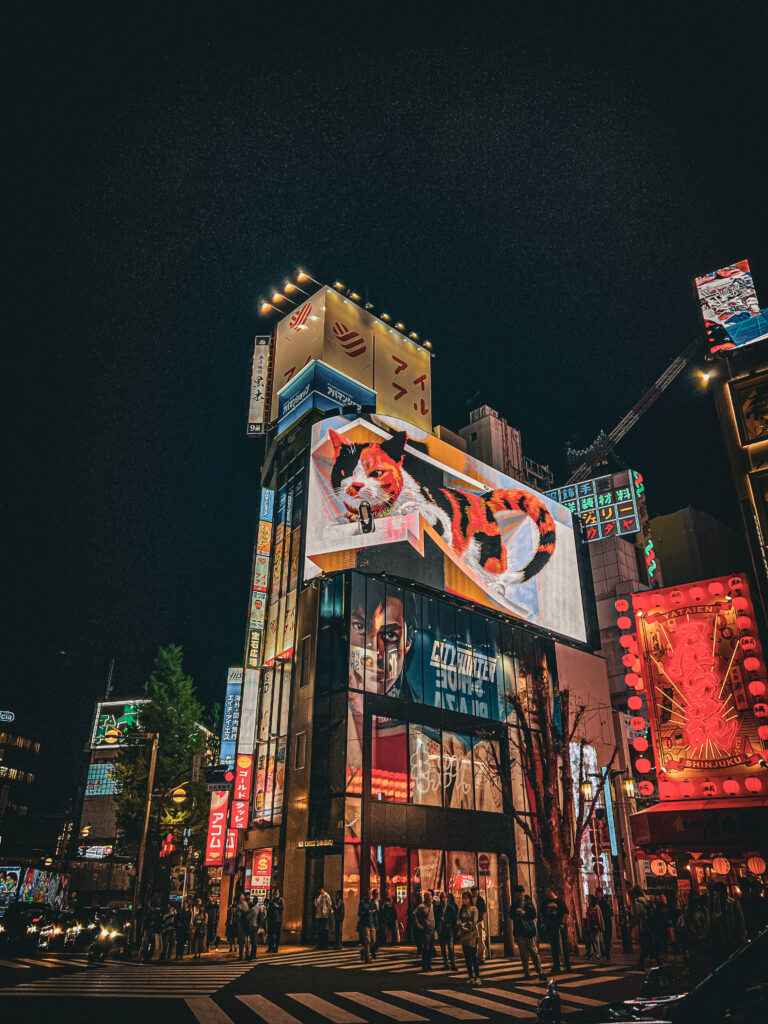
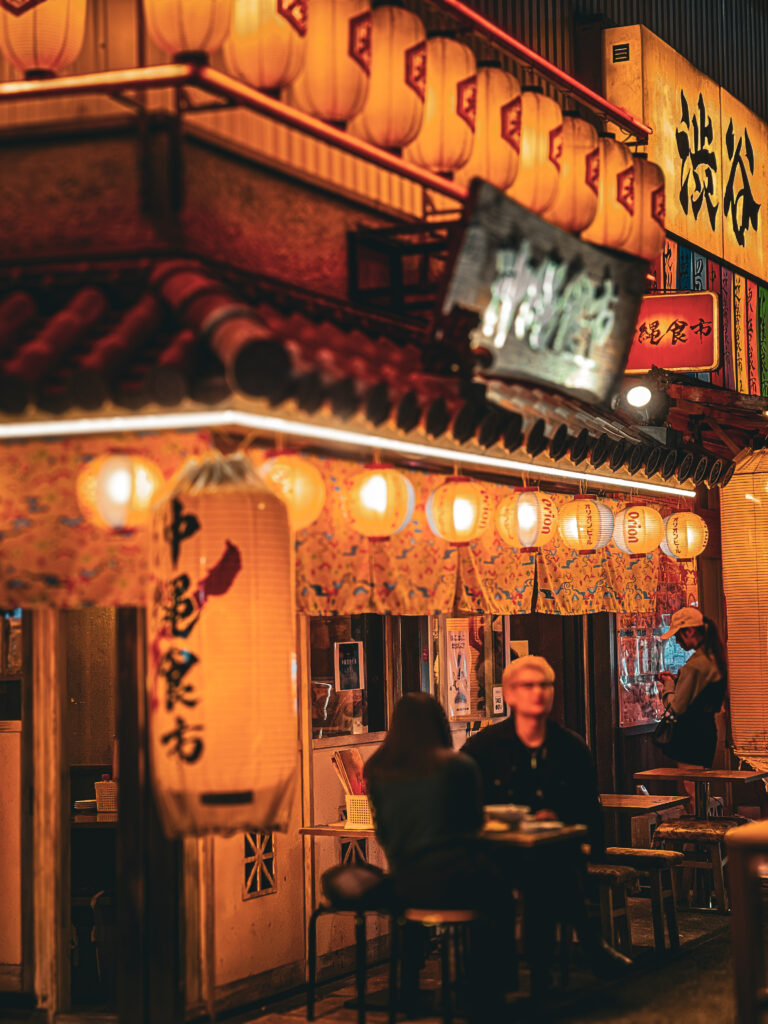
During the day, Shinjuku Gyoen offers a calm escape, with gardens, ponds, and quiet walking paths. Nearby, Godzilla’s head at Toho Cinema adds a playful pop-culture moment that somehow fits perfectly into the madness. For nightlife with character, Golden Gai stands out with its tiny, personality-filled bars.
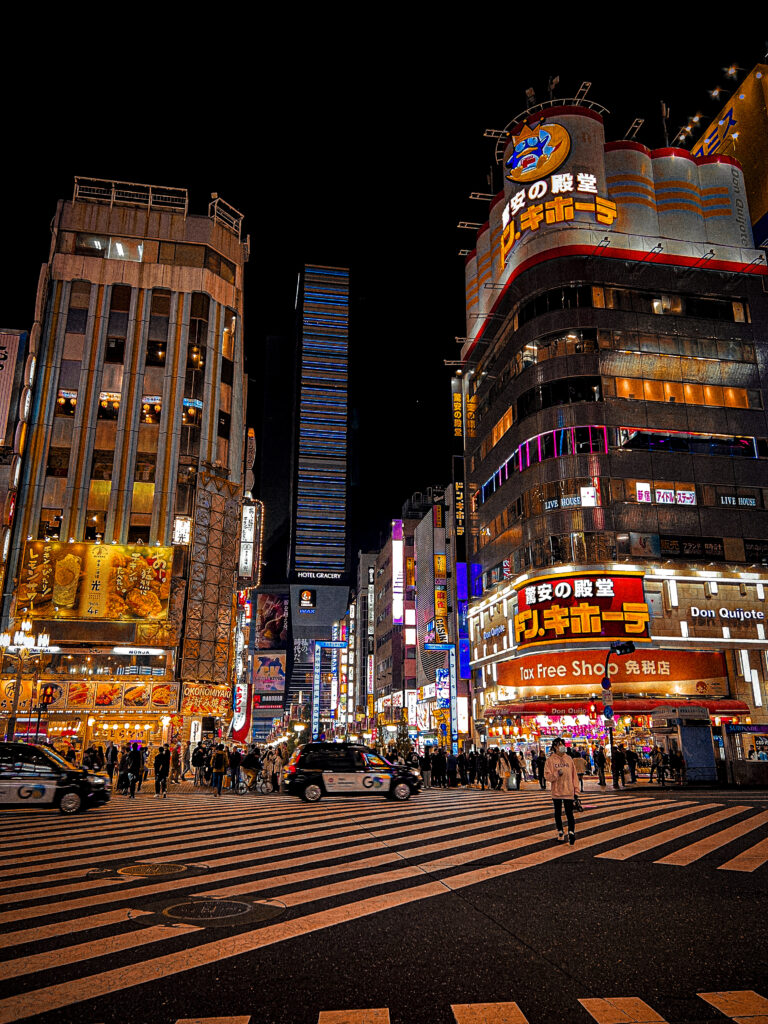
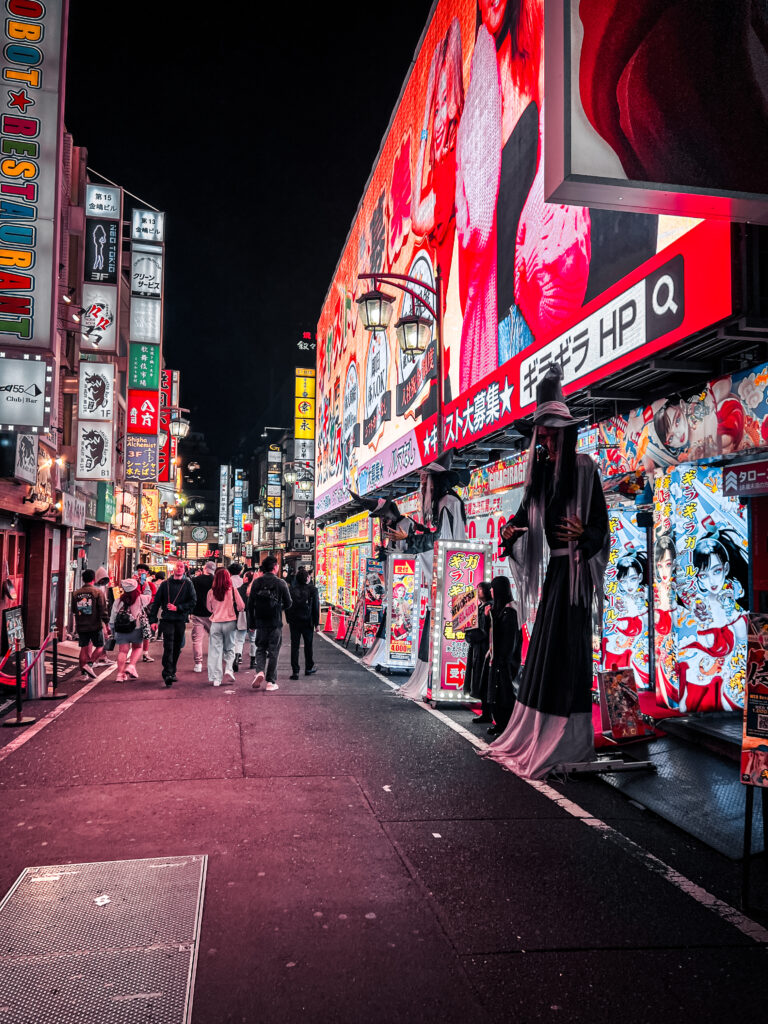
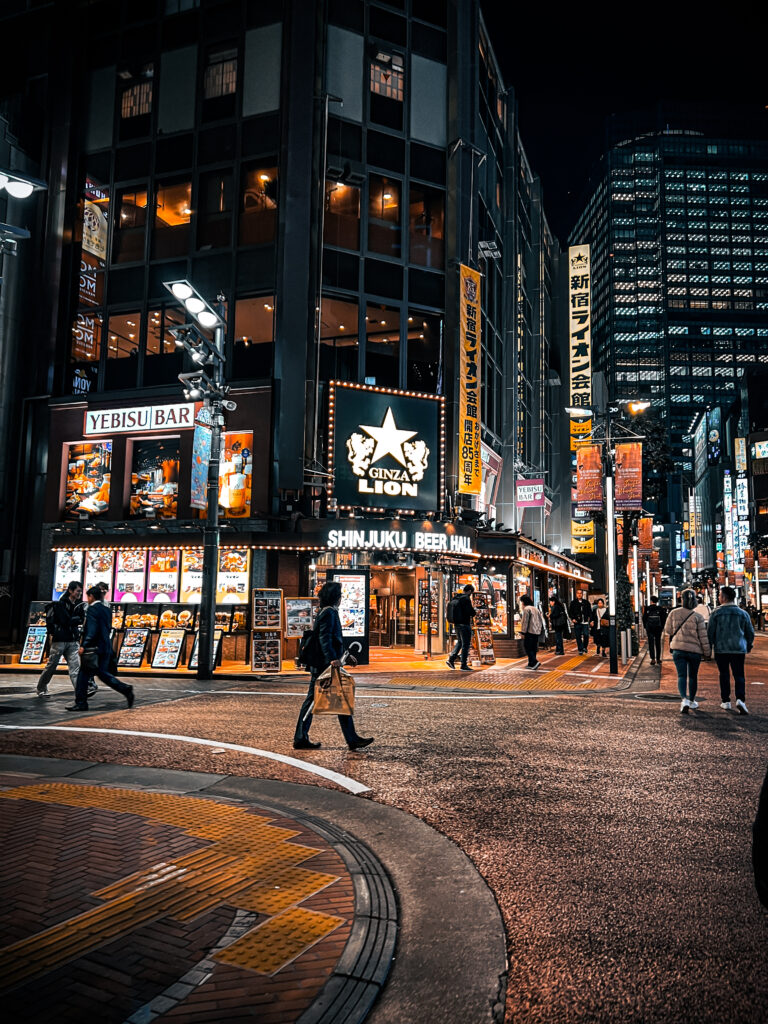
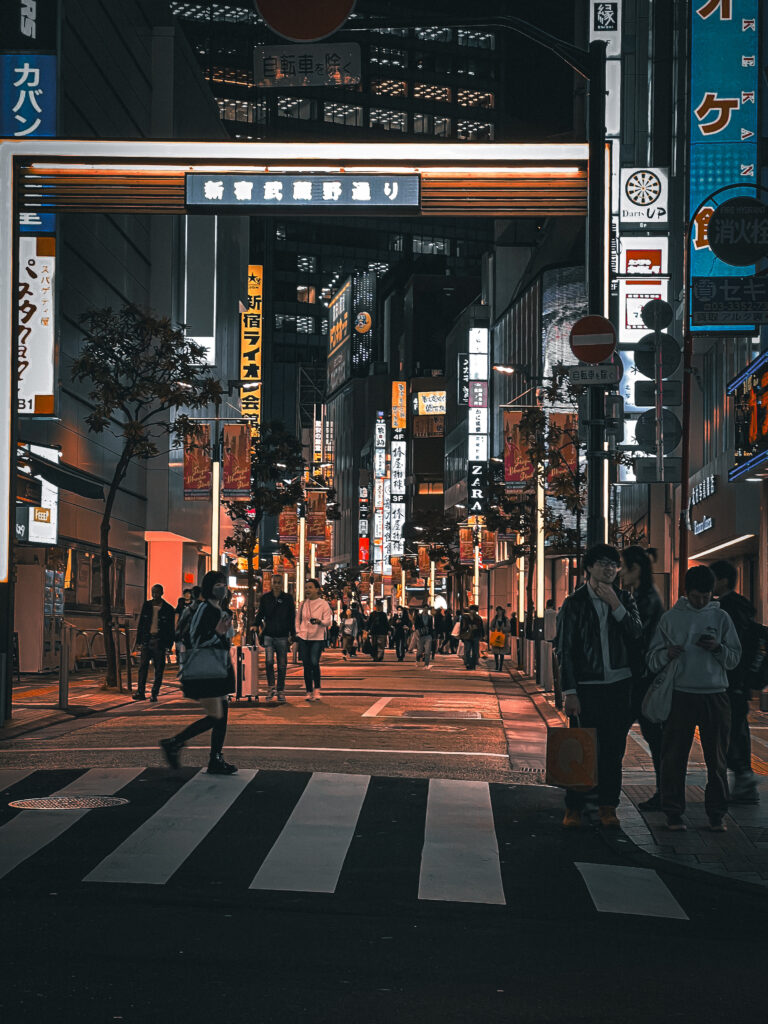
Shinjuku is also a paradise for shopping. Around the station, you’ll find massive department stores like Isetan and Takashimaya, huge electronics stores, and countless smaller shops tucked into side streets. It’s easy to spend hours just browsing, whether you’re looking for fashion, gadgets, or souvenirs.
Shibuya
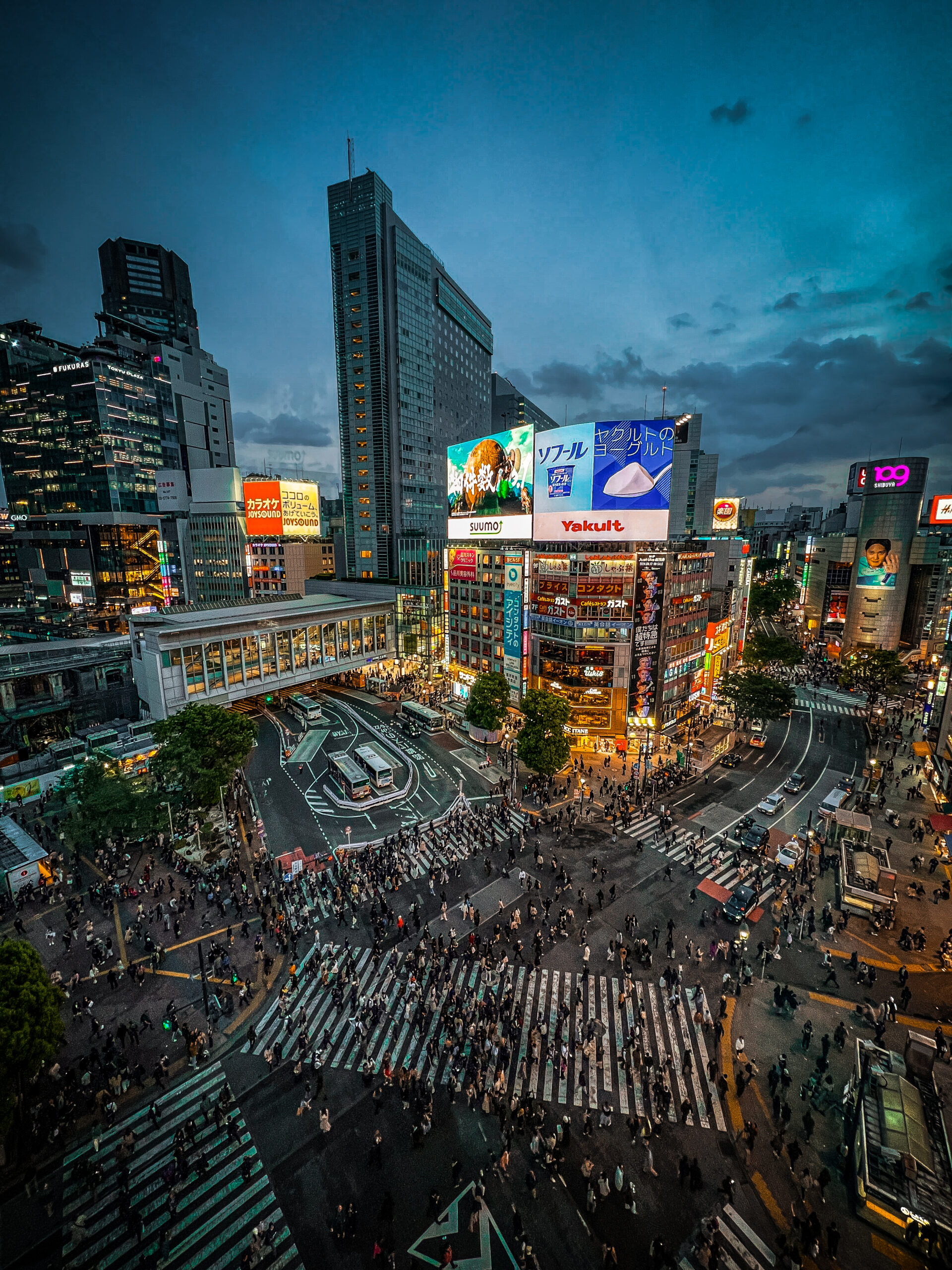
Shibuya is vibrant from every angle. The iconic Shibuya Crossing is a must-experience. Walking across one of the busiest streets in the world was a dream come true. We had planned to go to Shibuya Sky, but couldn’t reserve in time, so definitely keep that in mind as reservations open 30 days in advance. Instead, we checked out Mag’s Park Rooftop. The views were great, though for what it is we ended up paying a bit more than expected (1,500 yen per person, including a drink, in 2024). The space is small and there aren’t many spots to sit, so it can feel a little cramped when busy. Still, as an alternative to Shibuya Sky, it worked well.
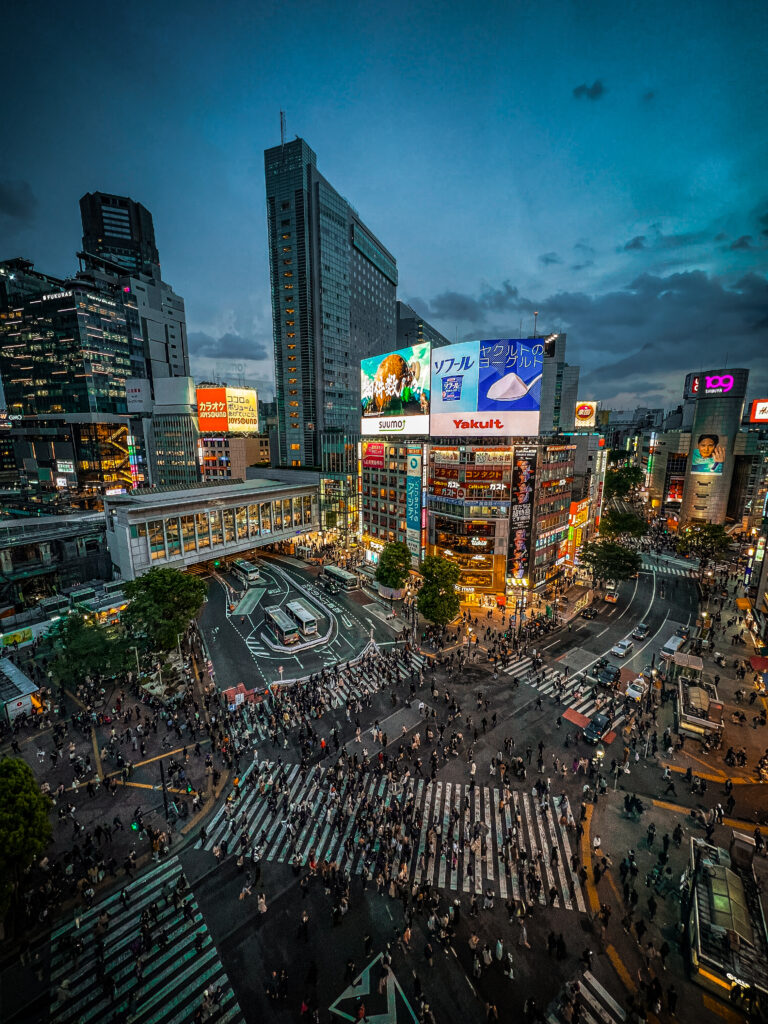
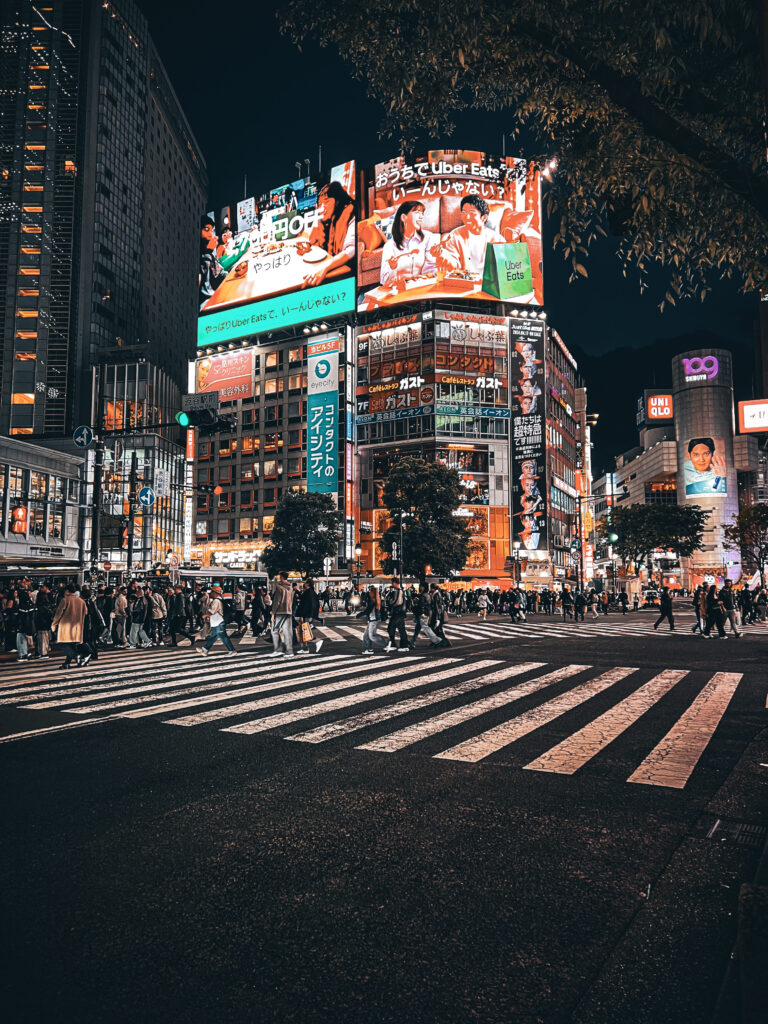
The Hachiko Statue adds a small but meaningful cultural moment and Shibuya Center-Gai is also packed with countless shops, boutiques, and places to browse during the day, making it a lively hub around the clock.
You can check schedules and book your tickets directly on the official website here: Shibuya Sky Official Site
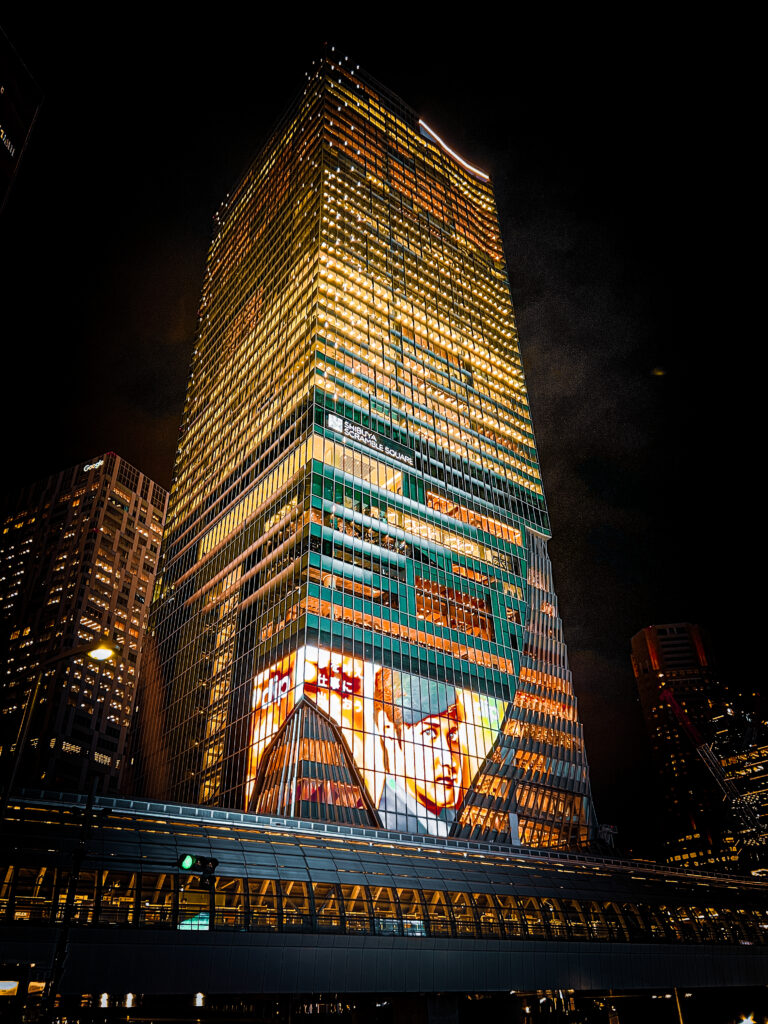
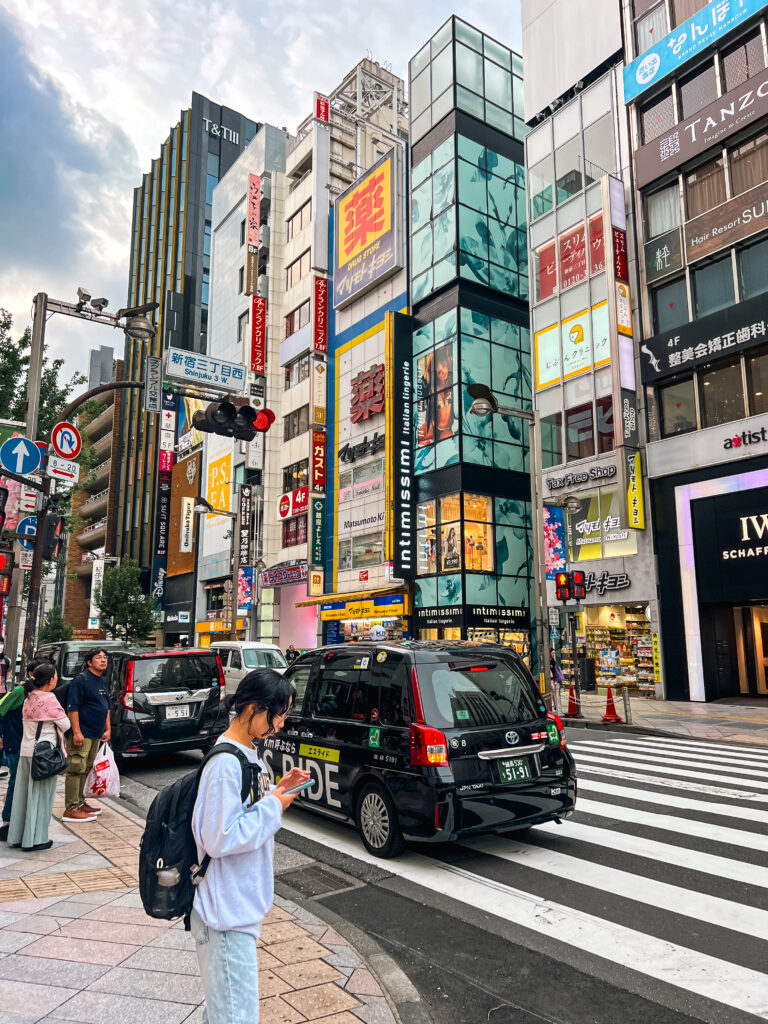
Harajuku, Cat Street, Omotesando and Yoyogi
Harajuku is bold, youthful, and colorful. Takeshita Street is the hub of chaos, full of fashion, crepes, and crowds. Go early to enjoy it without the busiest moments. Just a short walk away, Cat Street feels calmer, with creative boutiques and cafés. Omotesando adds wide avenues, modern architecture, and stylish shopping and coffee spots.
Nearby, Meiji Shrine offers peaceful forest paths and small side shrines, while Yoyogi Park is perfect for wandering, watching performers, picnics, or enjoying cherry blossoms in spring.
These neighborhoods are close to Shibuya, so you could easily combine them in a single day. Start in Shibuya and then walk through Harajuku, Cat Street, Omotesando, and finish in Yoyogi Park for a mix of bustling streets, creative shops, modern architecture, and green escapes.
Ginza, Imperial Palace & Central Tokyo
Ginza is Tokyo’s refined side, with wide streets, elegant buildings, and sophisticated cafés. Walking here is relaxing, feels calm and polished. We stopped in boutiques, admired architecture, and enjoyed carefully made coffee. Ginza Six rooftop garden offers city views and a modern art touch.
The Kabukiza Tower, located right by the famous Kabuki-za Theatre, adds a modern touch to the area with its shops and restaurants, blending contemporary life with the tradition of Kabuki performances. The theater itself is worth a quick look, even if you don’t catch a show.
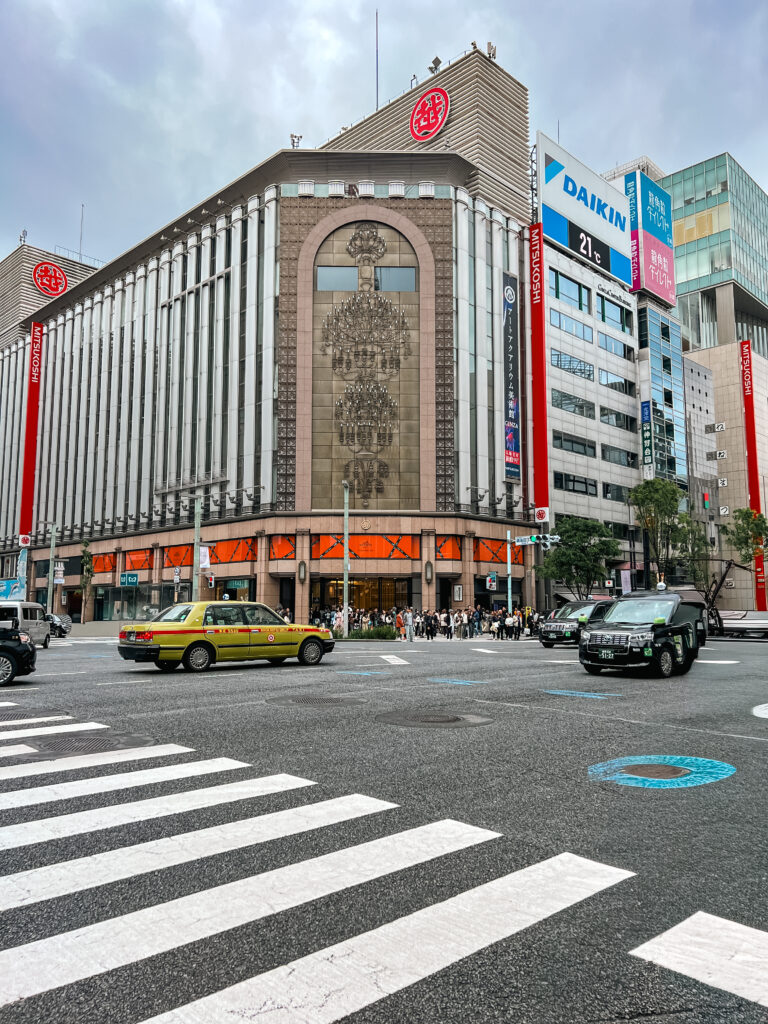
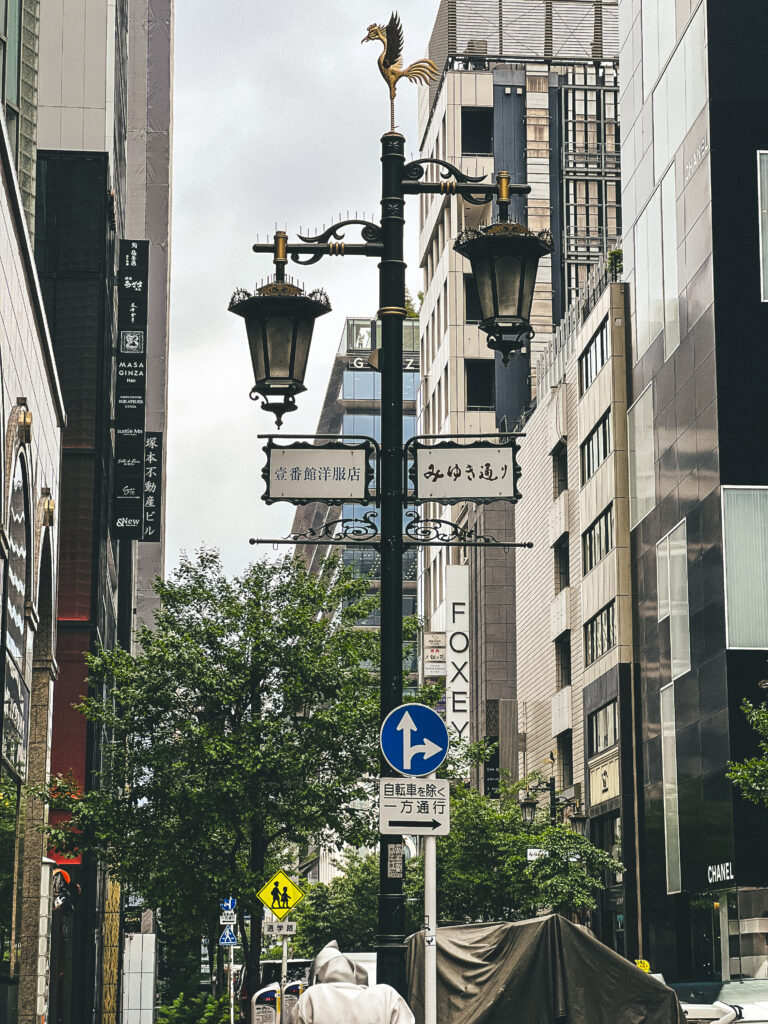
Just a short walk from Ginza, you can explore some of Tokyo’s most interesting central sights without needing to take the train. Tokyo Station is close by and worth seeing for its restored red-brick façade, a historic contrast to the modern towers around it. Strolling through Marunouchi, the nearby business district, you will find wide avenues, stylish streets and plenty of cafés, making it a great continuation after Ginza.
Imperial Palace
One of the highlights of the area is the Imperial Palace East Gardens, part of the former Edo Castle grounds. If the East Gardens are closed or have already shut for the day, a great alternative is the Kokyogaien National Garden, the large open space in front of the palace. It has wide lawns, paths, and historical landmarks, and it’s open all the time, so you can enjoy a walk even when the East Gardens are not accessible.
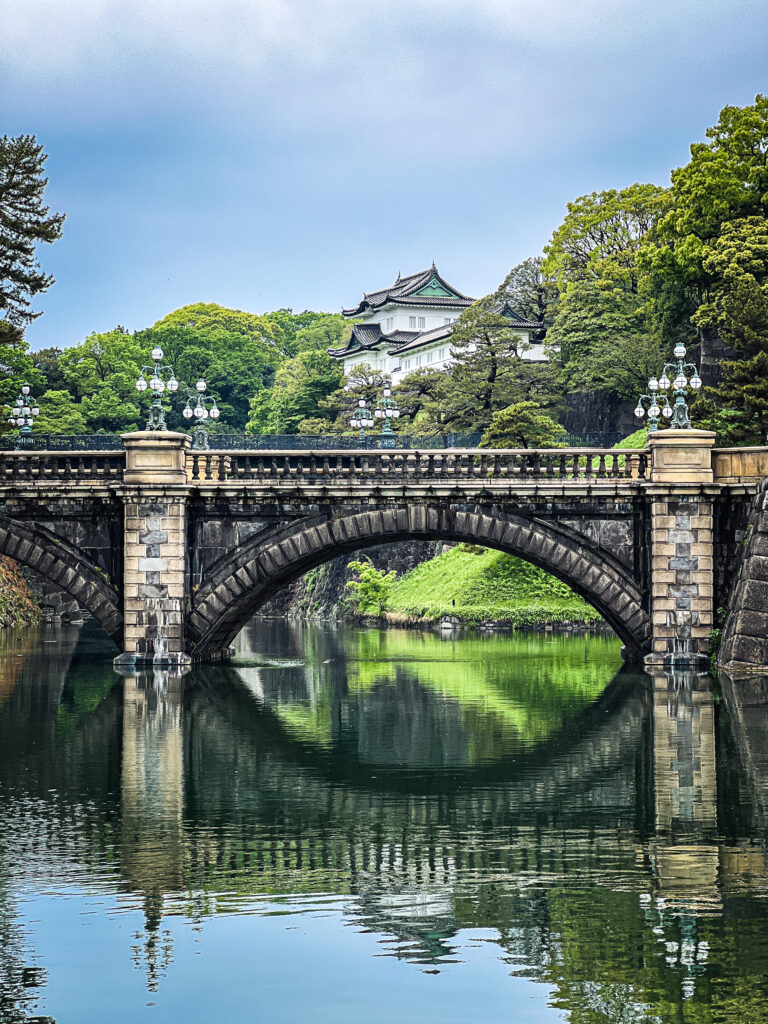
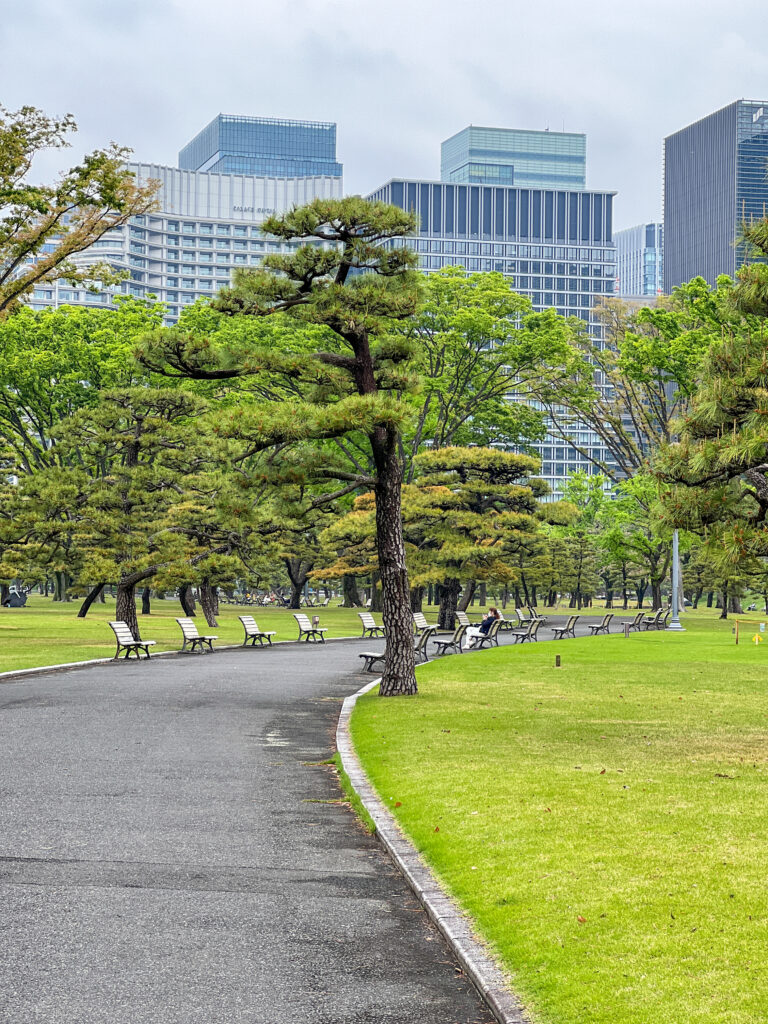
The East Gardens are open to the public from about 9 am to late afternoon or early evening, with the last entry around 30 minutes before closing. They are closed every Monday and Friday, so it is worth checking the schedule before you go to avoid disappointment.
All of these areas are within walking distance and can easily be combined into a single, relaxed morning or afternoon of exploring.
Asakusa, Tokyo Skytree & Sumida River
This area mixes old and new Tokyo beautifully. Asakusa is home to Senso-ji Temple, one of the city’s most famous landmarks. The walk through Nakamise Street is full of food stalls and souvenirs, but the quieter side streets are just as rewarding.
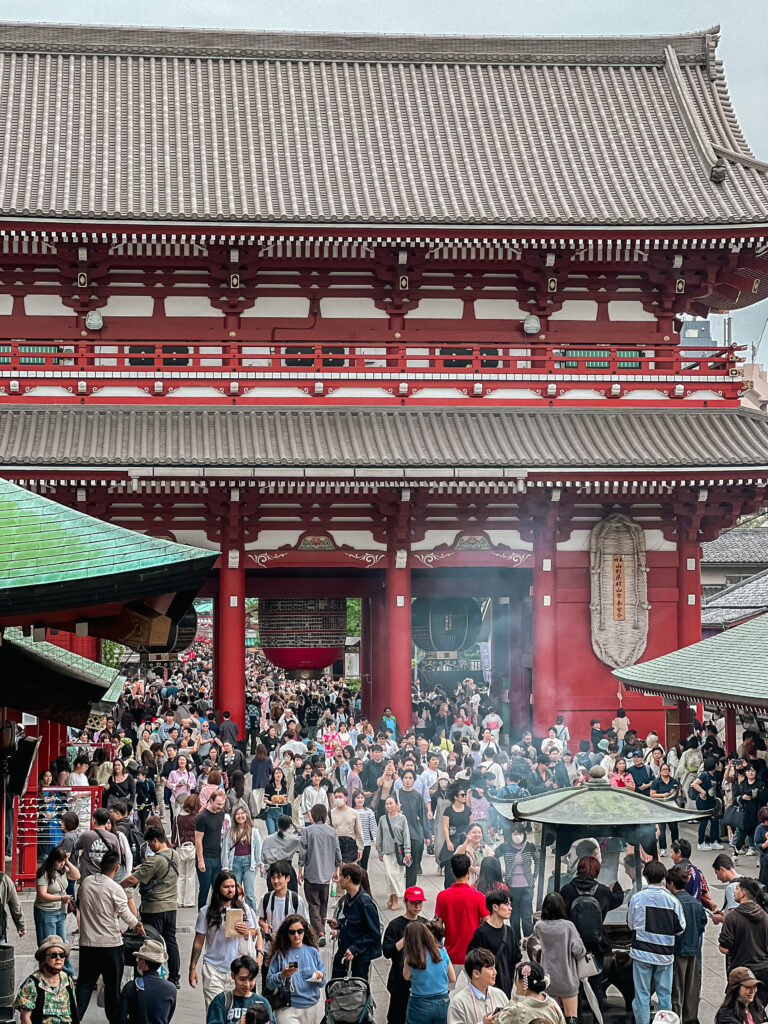
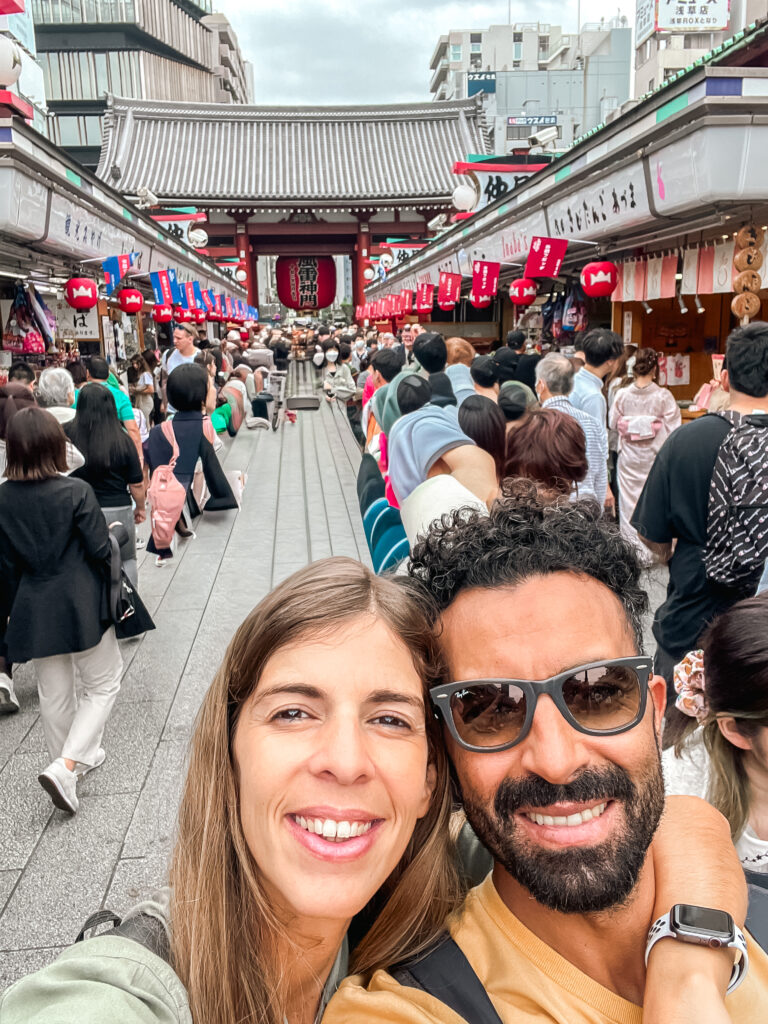
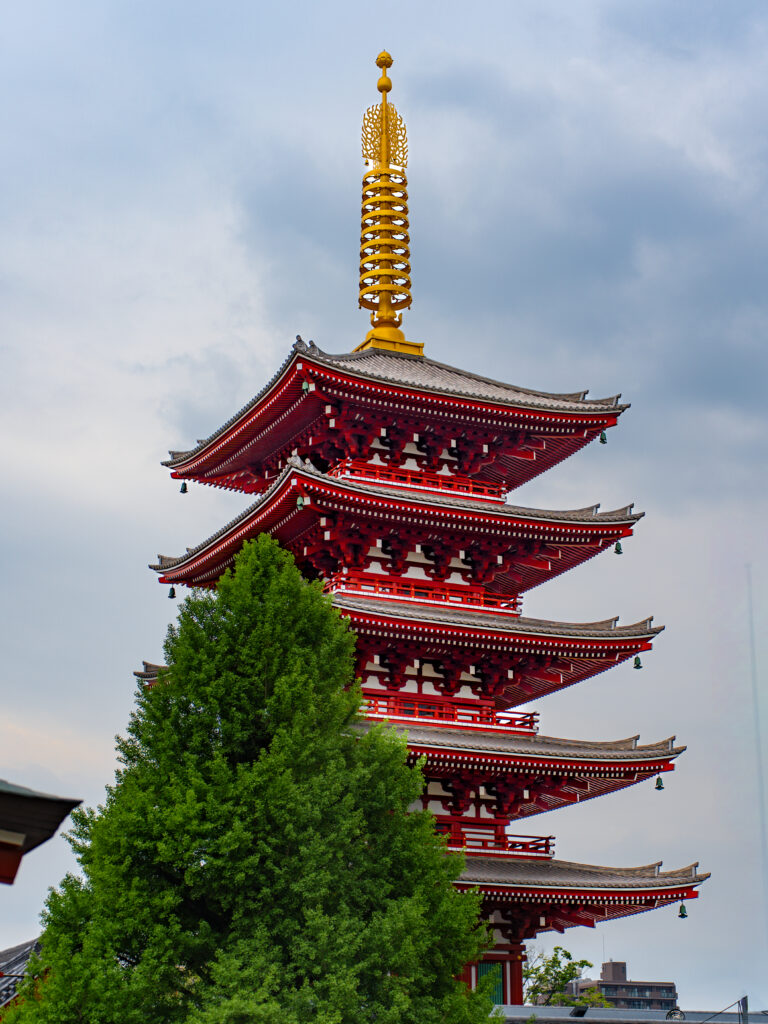
For a calmer and more traditional experience, explore Denboin Street behind the temple, lined with small shops selling sweets, crafts, and local products. Just nearby, Shin-Nakamise Shopping Street offers a slightly quieter shopping experience with unique souvenirs and local snacks, giving a different perspective of Asakusa away from the busiest tourist paths.
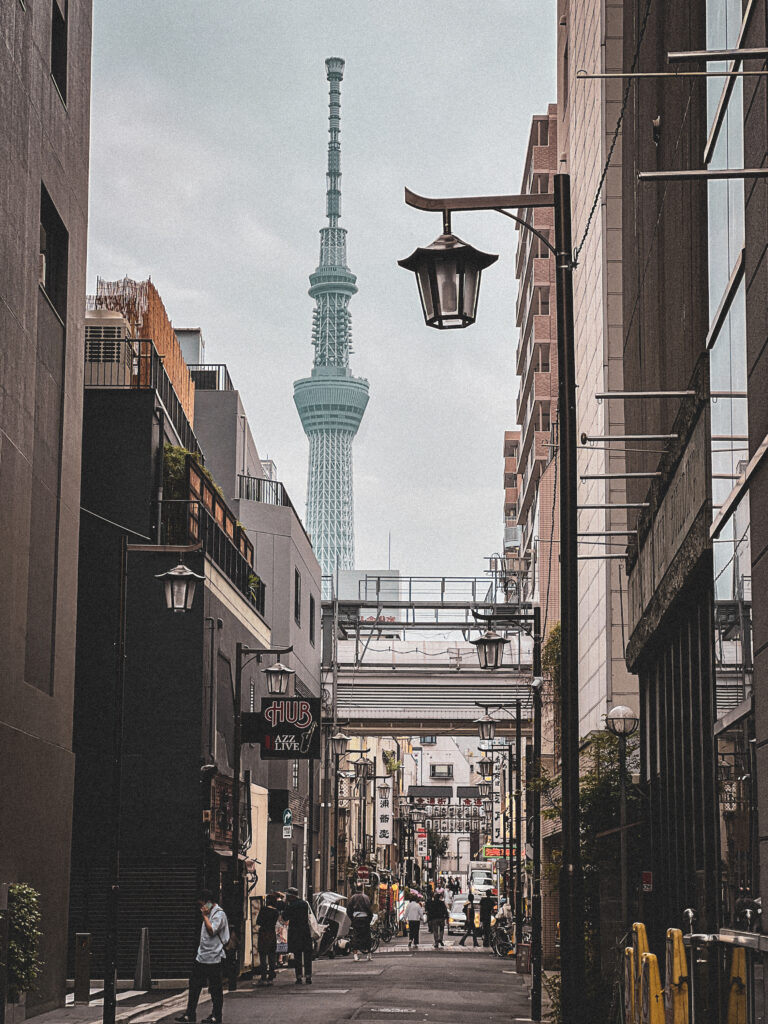
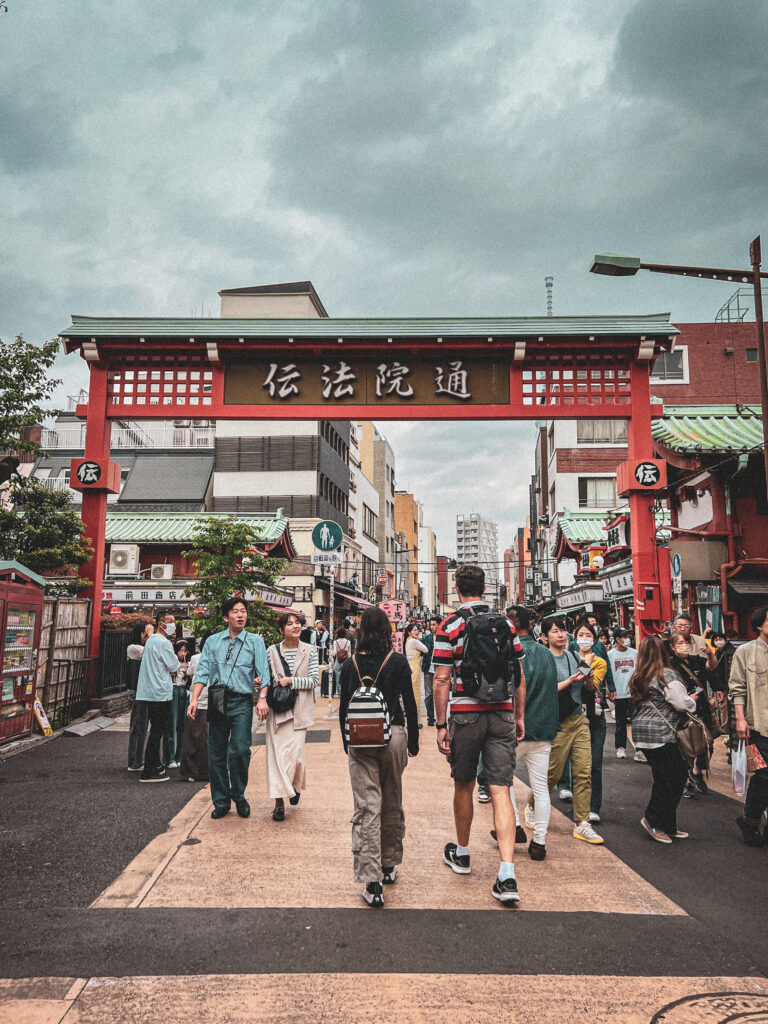
Just a short walk away, Okuyama Omairimachi Shopping Street adds another layer, with small boutiques, cafés, and everyday shops, showing how locals live and shop in the neighborhood. When evening comes, Hoppy Street comes alive with cozy izakayas and local drinks, perfect for experiencing authentic Tokyo nightlife in a relaxed, traditional setting.
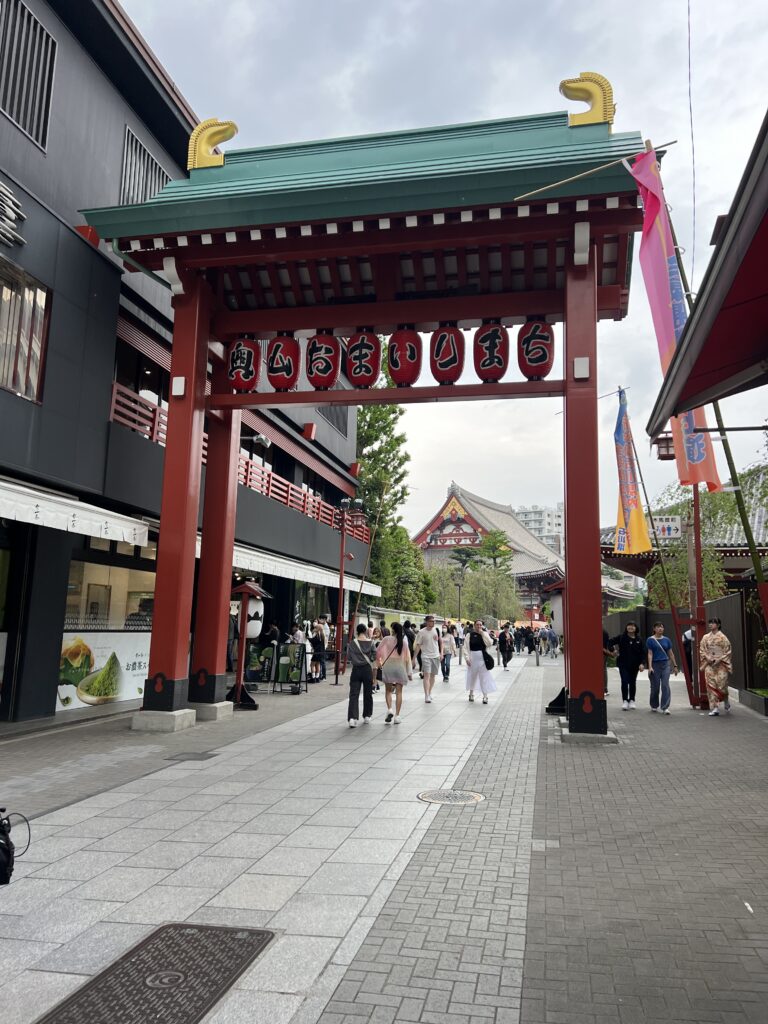
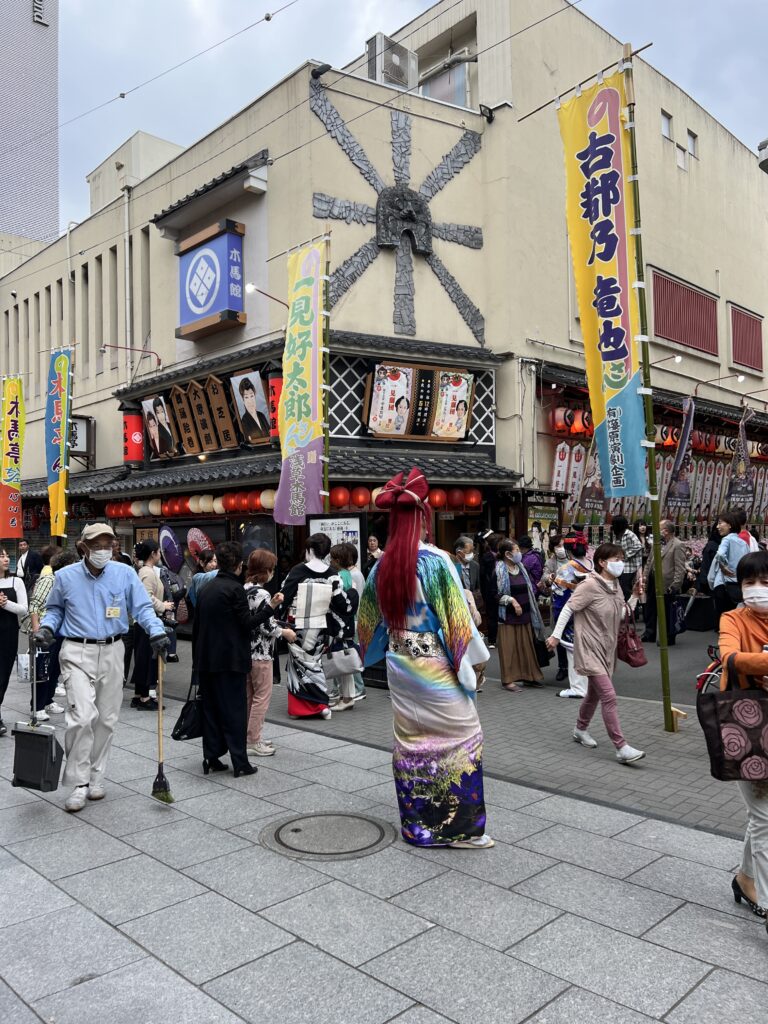
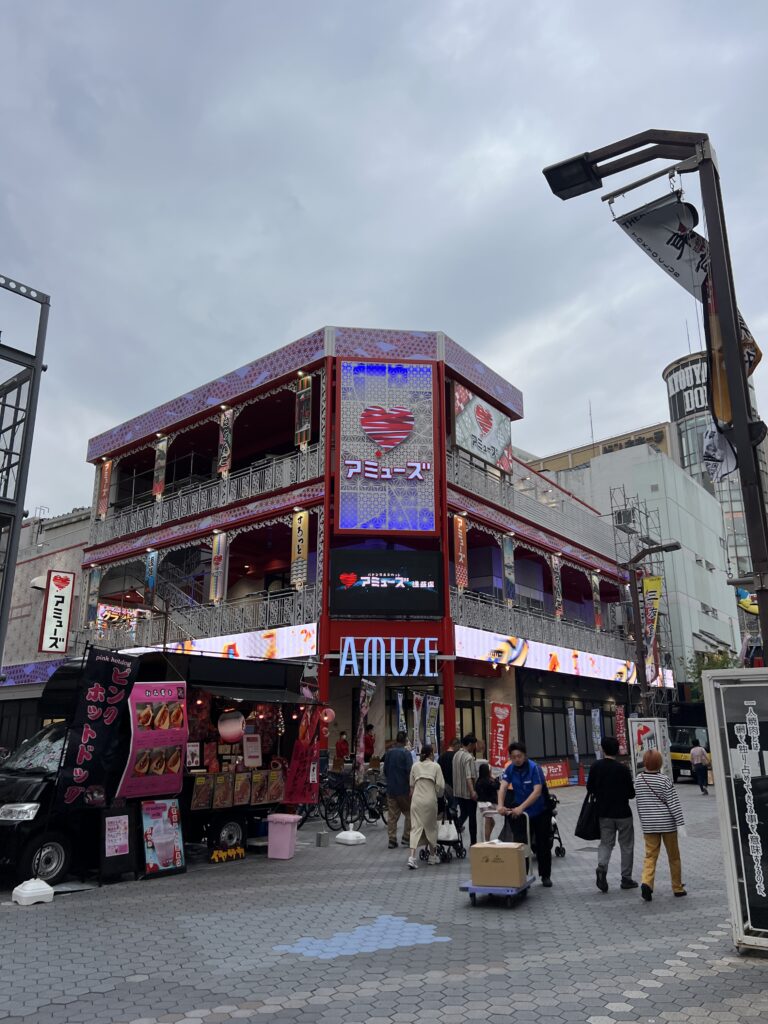
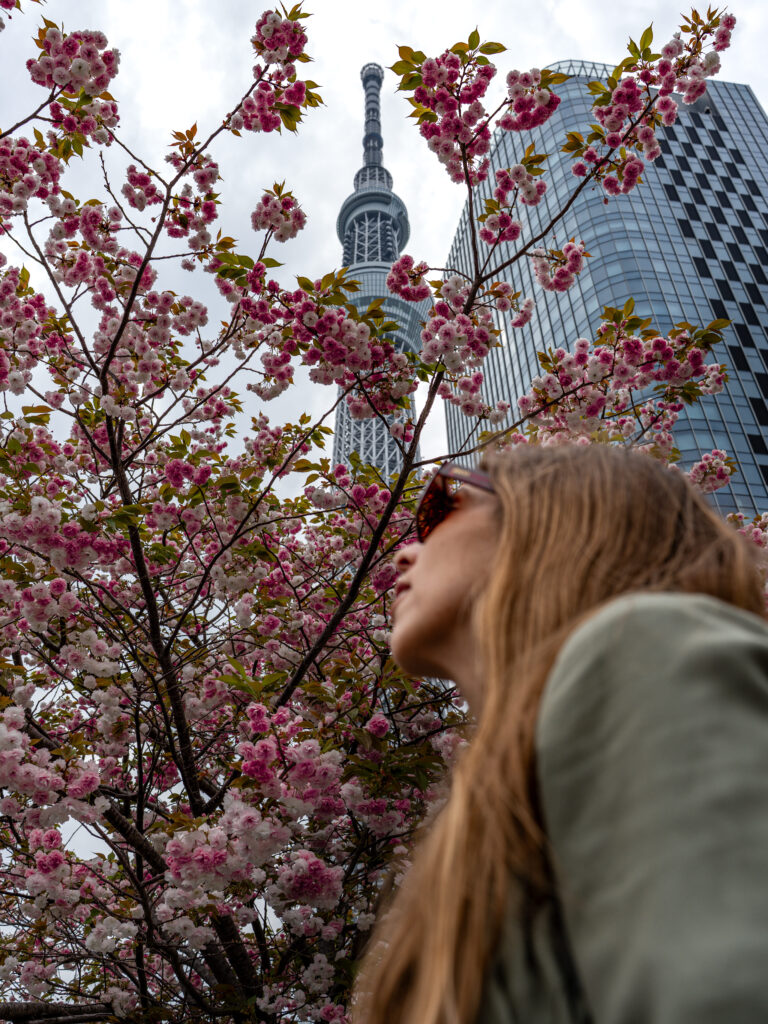
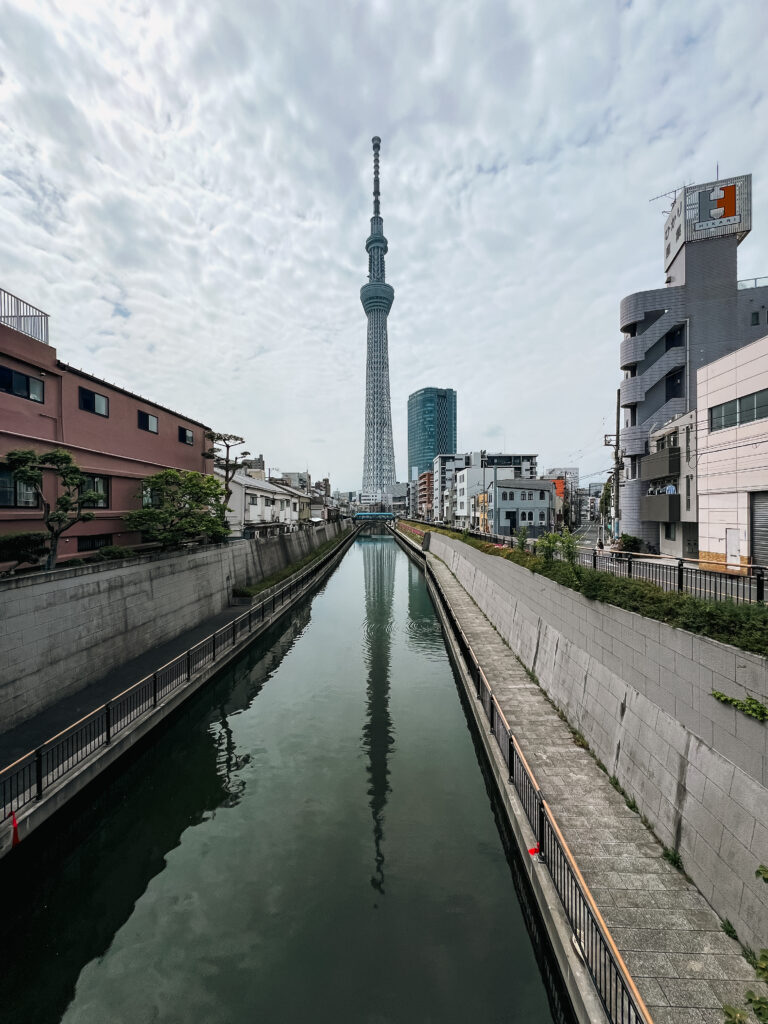
Not far away, Tokyo Skytree dominates the skyline. You can go up for wide city views or stay at ground level and explore Tokyo Solamachi, full of shops and restaurants. The Sumida River connects everything, making this area perfect for a relaxed riverside walk, especially in spring.
Ueno & Akihabara
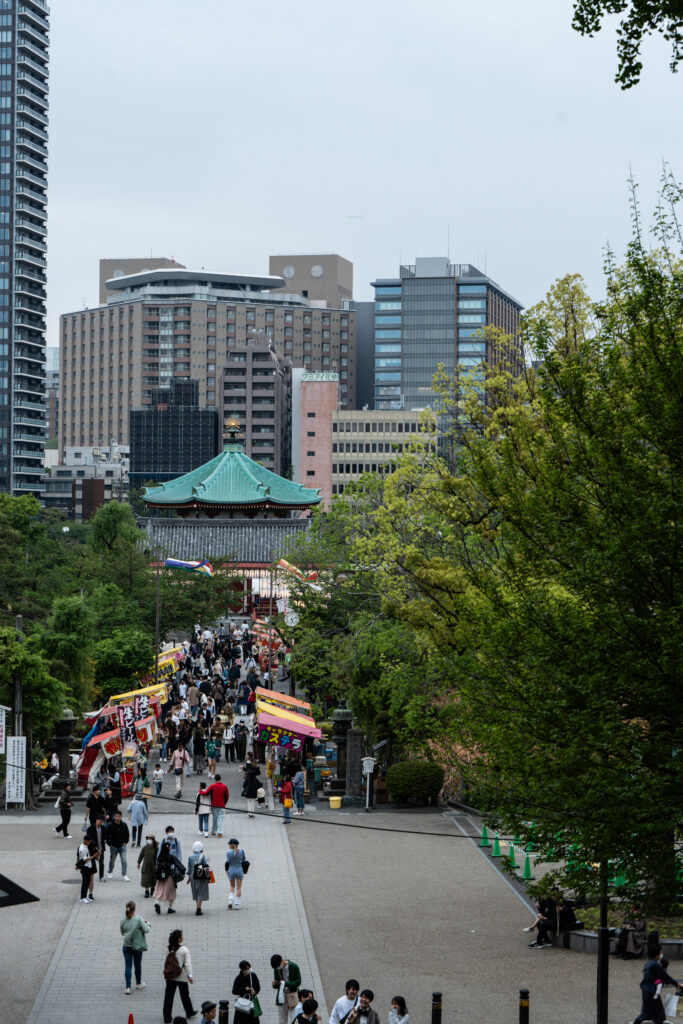
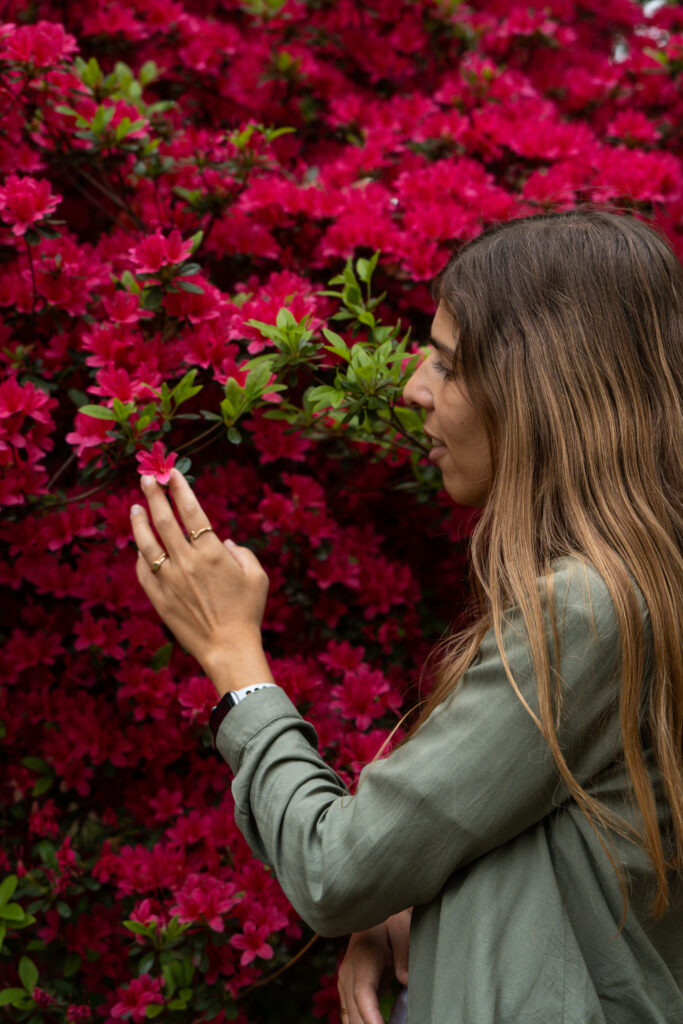
After the intensity of the city, Ueno feels noticeably calmer. Ueno Park is ideal for walking, especially during cherry blossom season, with ponds, trees, and open space. The area is also one of Tokyo’s main cultural hubs, home to several museums, including the Tokyo National Museum, as well as Ueno Zoo, famous for its pandas.
Just outside the park, Ameya-Yokocho adds a more local and lively atmosphere, with street food, small shops, and casual restaurants. Together, it makes Ueno a great place to slow down while still having plenty to see and do.
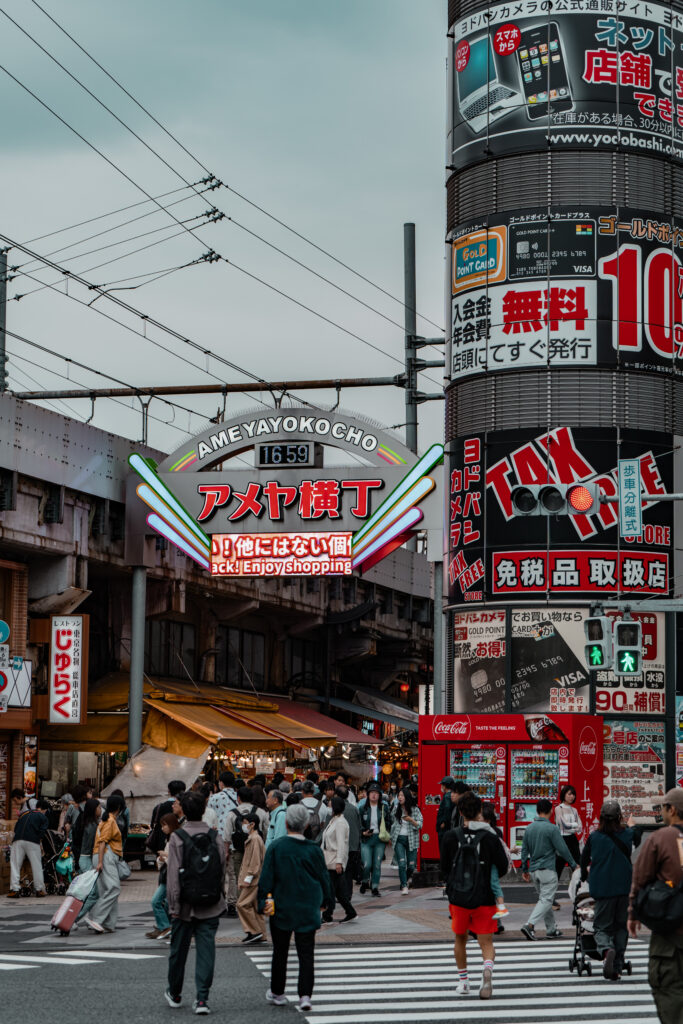
Akihabara, known for electronics, anime, and retro arcades, is just a short metro ride away (or a long walk if you feel like it). Multi-floor shops, retro arcades, and endless displays of figures and manga fill the area. Even without buying anything, it’s fascinating to explore. It’s easy to combine the two neighborhoods in a single half-day, starting with the relaxed vibe of Ueno and finishing with the energetic, neon-lit streets of Akihabara.
Tokyo Tower and Minato Area
The Tokyo Tower area feels more open and relaxed compared to Tokyo’s busiest neighborhoods. Tokyo Tower stands tall as one of the city’s most iconic landmarks, looking especially impressive when lit up at night. Right beside it, Zojo-ji Temple offers a striking contrast between traditional architecture and the modern skyline, creating a peaceful and photogenic spot.
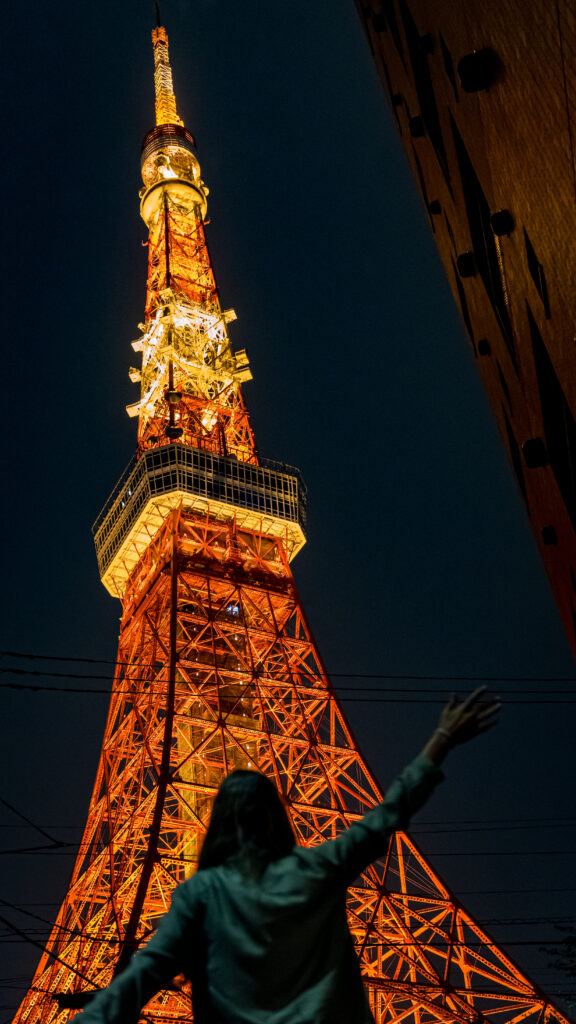
Adjacent to the tower, Shiba Park provides a wide and tranquil green space perfect for walking, resting, or taking photos of the tower framed by trees. Springtime brings cherry blossoms, adding extra charm to the area.
A short walk leads to Hamamatsucho, where canals and waterfront paths invite slow, scenic strolls. Along the way, office buildings mix with cafés and small restaurants, ideal for a coffee break or a light meal.
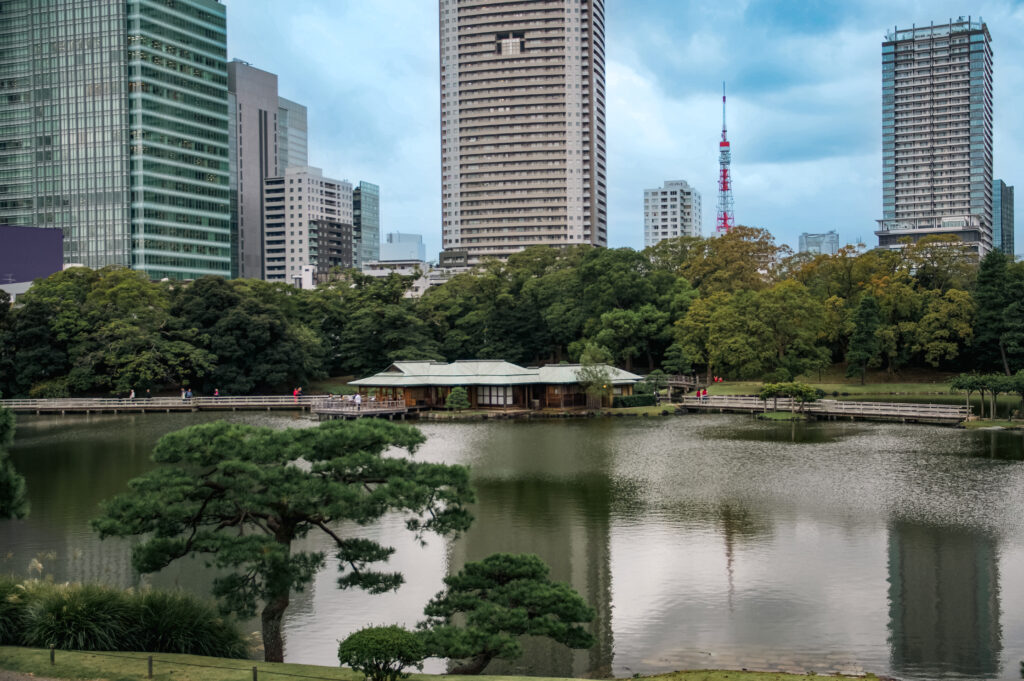
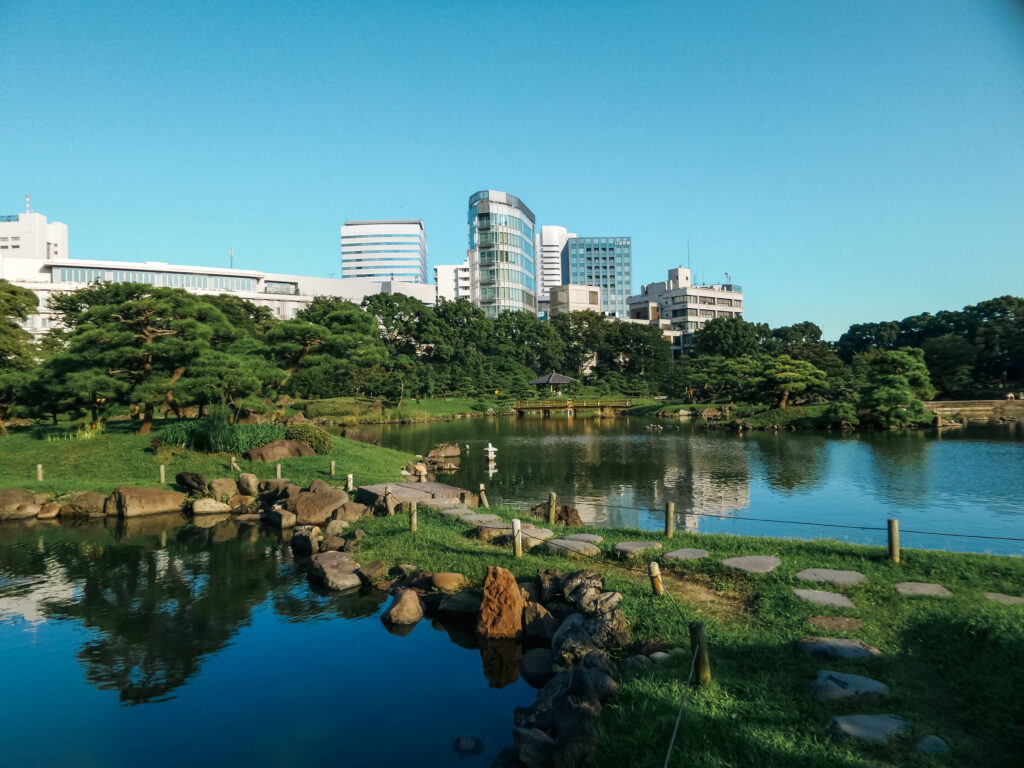
For more green escapes nearby, Hama-rikyu Gardens is a classic Japanese garden with a large pond, seasonal flowers, and a tea house where visitors can enjoy matcha while taking in views of the city skyline. Another option is Kyu-Shiba-rikyū Gardens, a historic Japanese garden with traditional landscaping, ponds, and paths, perfect for a peaceful wander and appreciating the mix of old and modern Tokyo.
Highlights and Memorable Experiences in Tokyo
Tokyo isn’t just about ticking landmarks off a list, it’s about exploring neighborhoods, noticing contrasts, and soaking in everyday moments.
Some of the experiences that stayed with us the most weren’t necessarily the famous sights. Wandering through different areas, letting the city guide us, often led to the most memorable discoveries. We found incredible food without planning it, watched tradition and modern life coexist naturally, and ended days exhausted but energized, feeling the city’s rhythm in every step.
Instead of trying to see everything, focus on a few neighborhoods each day. Tokyo rewards curiosity and exploration more than speed, and letting yourself wander often leads to the best experiences.
Practical Lessons from Tokyo
Japan is incredibly efficient, but it rewards preparation. Book transport and accommodation early, plan your routes, and don’t underestimate distances. At the same time, leave room for unexpected moments, like catching a glimpse of Mount Fuji from a bus window when you least expect it.
Tokyo can feel overwhelming at first, but letting yourself go with the flow instead of trying to control every moment makes the experience unforgettable. Accept the city as it is, and you’ll carry a lasting impression of its energy, surprises, and unique neighborhoods long after you leave.
Don’t forget to wear comfortable shoes, check opening hours for gardens and temples, and leave some time for spontaneous discoveries, you never know what Tokyo will reveal around the next corner.
If you are planning a longer trip, or want to learn everything you need to know before visiting Japan, check out our detailed guide on 10 days in Japan and everything to know before you travel.